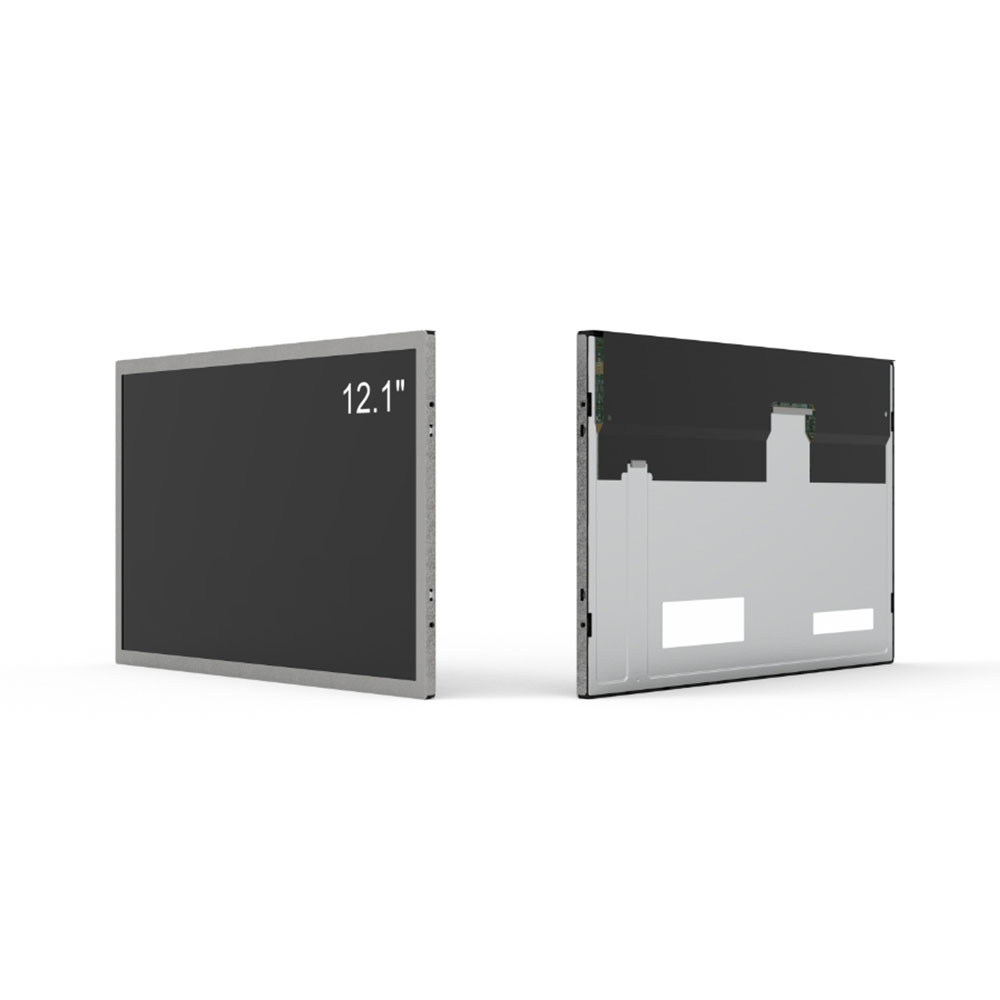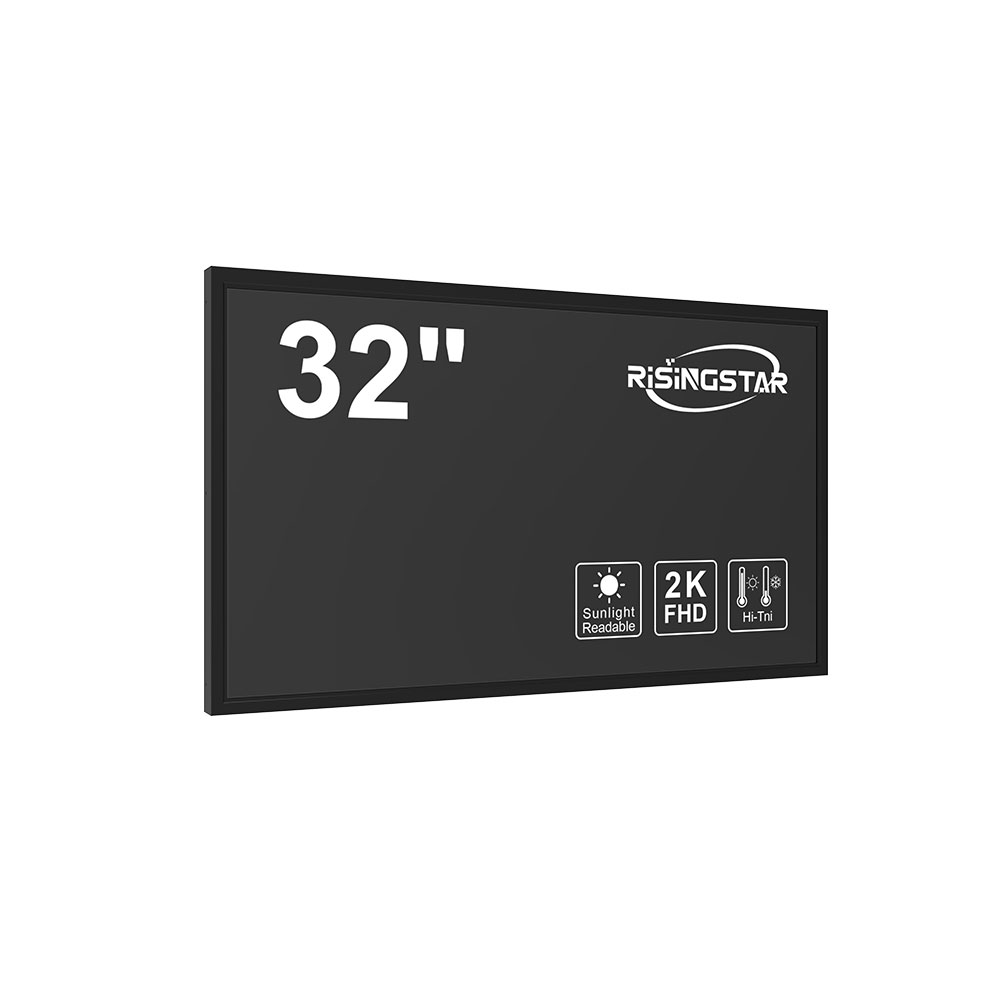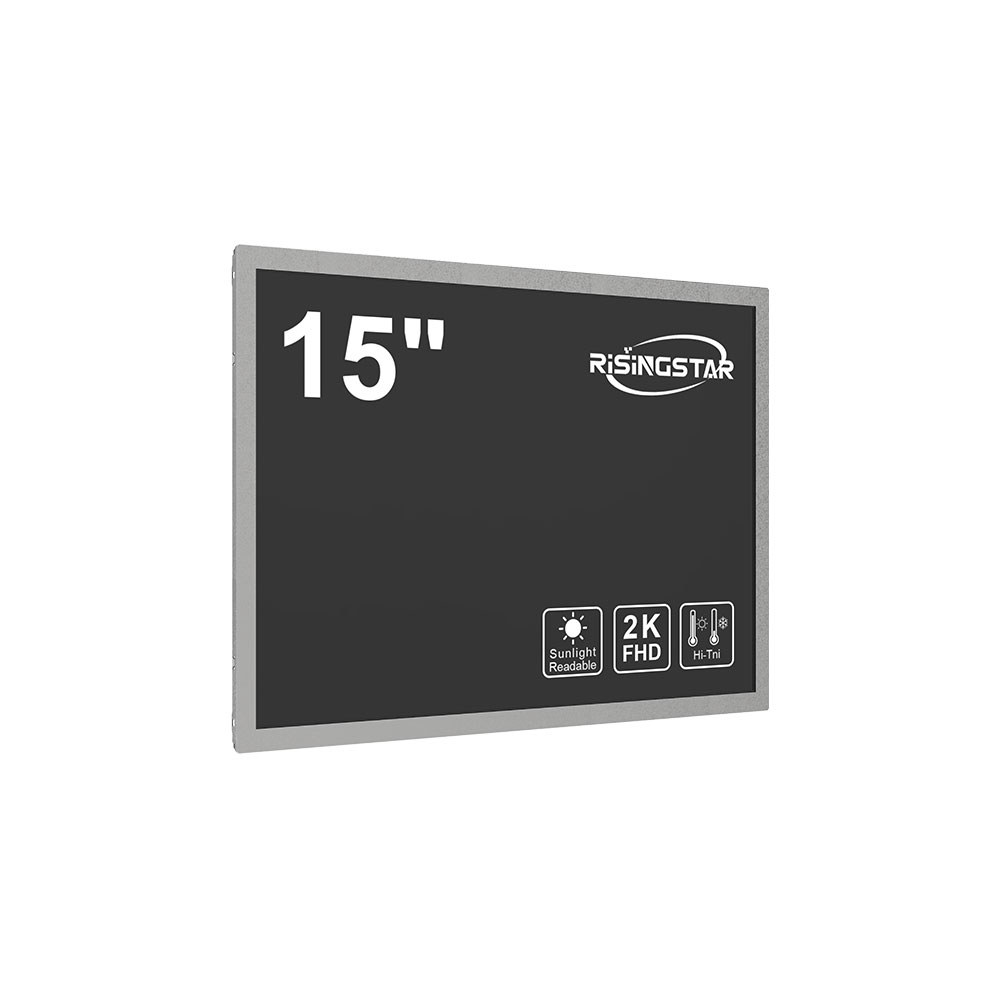
In today’s fast-paced digital world, outdoor digital signage has become a critical tool for businesses, public institutions, and transportation hubs seeking to deliver real-time information in high-visibility environments. However, one of the most persistent challenges in deploying such displays outdoors is ensuring readability under direct sunlight—a problem that plagues standard indoor LCDs due to their limited brightness and poor contrast ratios. This is where sunlight readable digital signage comes into play.
Sunlight readable displays are engineered specifically for use in bright environments like retail storefronts, bus stops, airport terminals, and construction sites. These screens typically feature ultra-high brightness levels—ranging from 3,000 to 10,000 nits—which far exceed the standard 250–500 nits found in typical consumer-grade monitors. For context, a typical smartphone screen emits about 600 nits; sunlight can reach up to 100,000 lux (or ~10,000 nits), making it essential to surpass ambient light intensity for legible content.
The technology behind sunlight readable displays involves multiple layers of innovation. First, manufacturers use advanced anti-glare coatings on the glass surface to reduce reflection. Second, they incorporate high-efficiency LED backlights and sometimes quantum dot enhancement to boost color accuracy and luminance uniformity. Third, many models include automatic brightness adjustment via ambient light sensors, which dynamically optimize display output based on environmental lighting conditions. This not only improves visibility but also reduces power consumption during low-light hours.
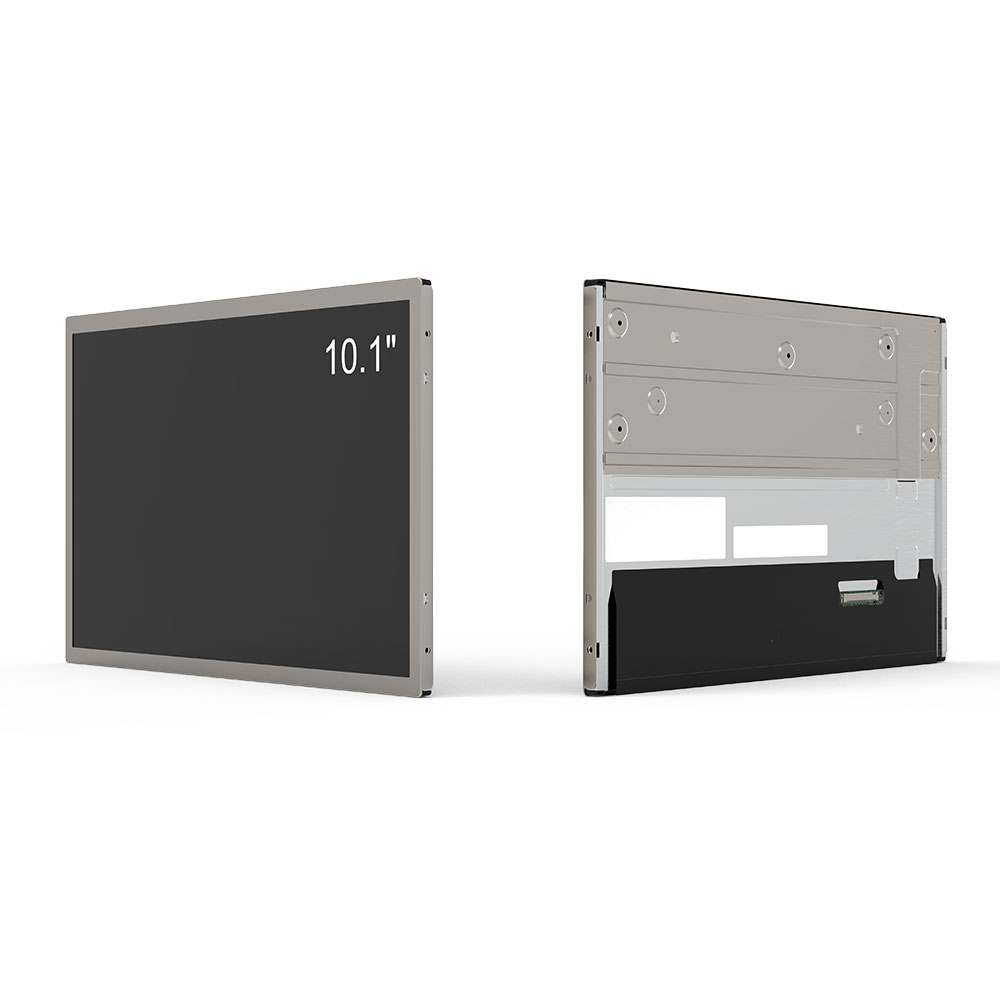
According to a 2023 report by MarketsandMarkets, the global digital signage market is projected to grow at a CAGR of 8.7% through 2028, with outdoor and sunlight-readable segments leading growth due to increasing demand from smart city initiatives and commercial advertising. Leading brands such as LG, Samsung, and NEC offer certified sunlight-readable panels used in major cities worldwide—from London Underground to Tokyo’s Shinjuku Station.
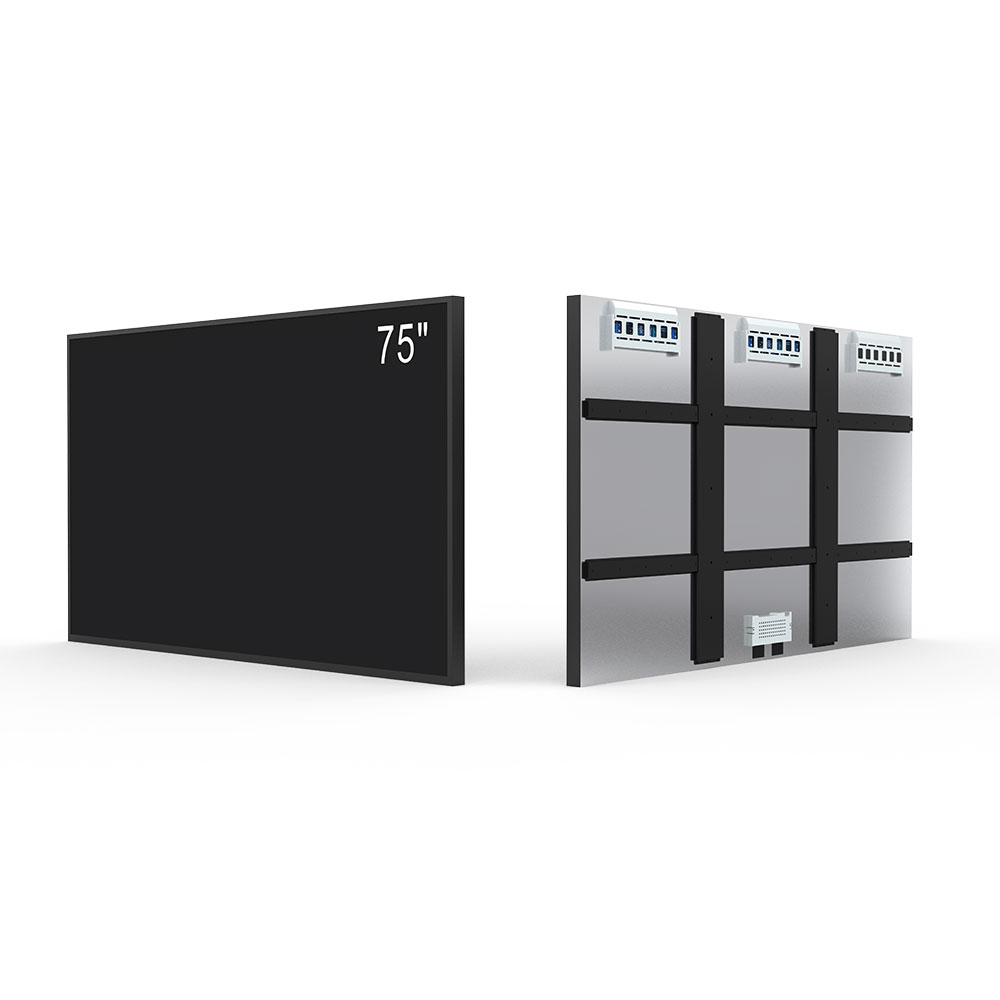
For end users, choosing the right sunlight readable digital signage solution requires evaluating several factors: display size, viewing angle, IP rating for weather resistance (e.g., IP65 or higher), and durability against temperature extremes (-20°C to +60°C). Additionally, integration with cloud-based content management systems allows remote updates, scheduling, and analytics—critical for effective campaign management.
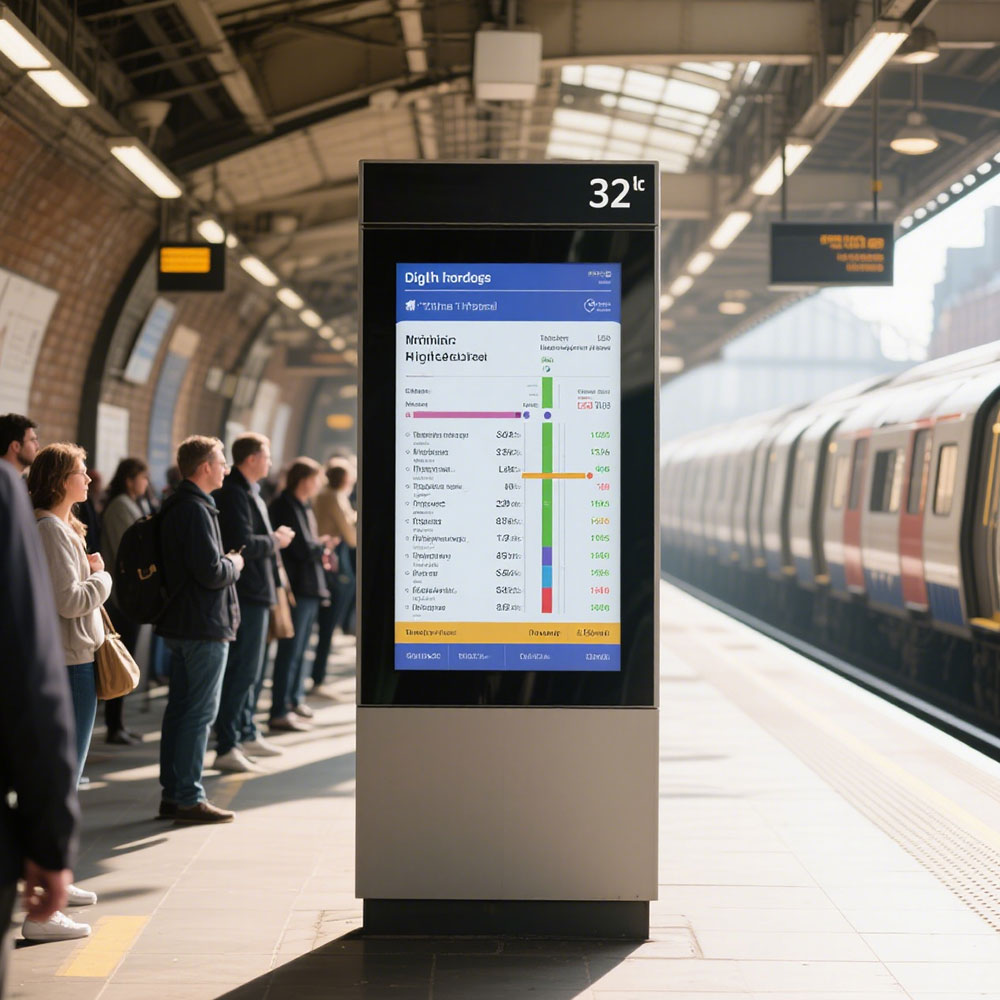
Real-world case studies confirm the impact. A U.S. retail chain reported a 40% increase in customer engagement after switching to sunlight-readable kiosks in parking lots, while a European transit authority noted improved passenger satisfaction after installing these displays at train platforms.
In conclusion, sunlight readable digital signage is no longer optional—it's a necessity for any organization aiming to maintain brand presence and deliver clear messaging in demanding outdoor environments. Whether for wayfinding, advertising, or public safety, investing in properly engineered outdoor displays ensures consistent performance, enhanced user experience, and long-term ROI.