
Sunlight Readable High Brightness LCD Screen Technology and Applications
Sunlight readable high brightness LCD screens are critical components in outdoor and high-ambient-light environments such as military vehicles, industrial control panels, public transportation displays, and agricultural equipment. These screens must maintain visibility under direct sunlight—often exceeding 10,000 lux—while minimizing power consumption and ensuring long-term reliability.
The core technology behind sunlight readable LCDs involves increasing luminance to at least 5,000 nits (with premium models reaching 10,000+ nits), using anti-glare coatings, and integrating advanced backlighting systems like LED arrays with diffusers and optical films. According to ISO 13406-2 standards for display readability, the minimum recommended brightness for outdoor use is 2,500 nits, but real-world performance often requires 5,000–10,000 nits to ensure legibility during peak sun exposure.
Manufacturers like LG Display, Sharp, and Innolux have developed proprietary technologies such as “Enhanced Light Guide Plate” (ELGP) and “Backlight Dimming Control” (BDC) that optimize light distribution and reduce hotspots while maintaining uniform brightness across the entire screen. Additionally, some models incorporate ambient light sensors for dynamic brightness adjustment—a feature now required by MIL-STD-810G for military-grade displays.
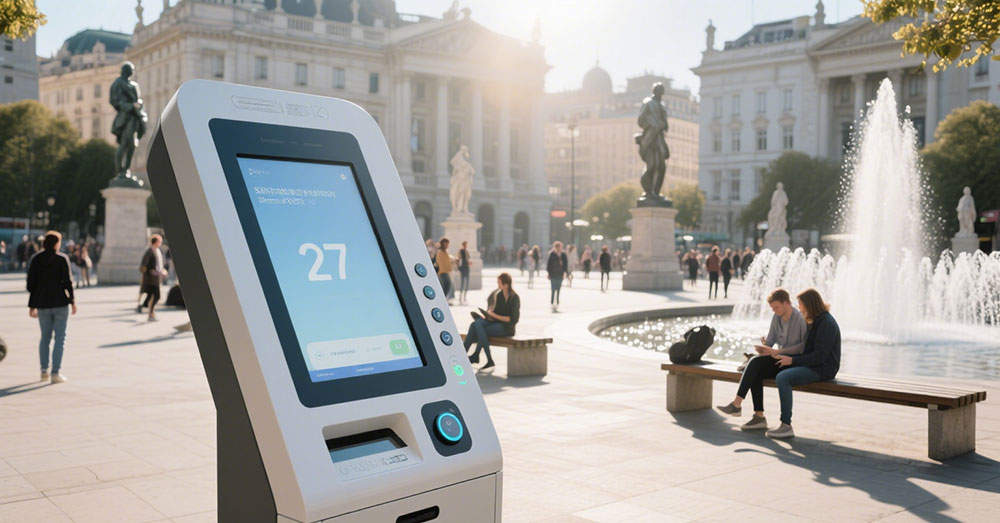
In applications like construction site monitors or maritime navigation systems, durability is just as important as brightness. Therefore, these screens typically feature ruggedized housings (IP65/IP67 rating), wide operating temperature ranges (-30°C to +70°C), and shock/vibration resistance tested per MIL-STD-810H. Case studies from companies like Bosch Rexroth and Hitachi Construction Machinery show that adopting 7,000-nit sunlight-readable LCDs reduced operator errors by up to 40% in field operations.
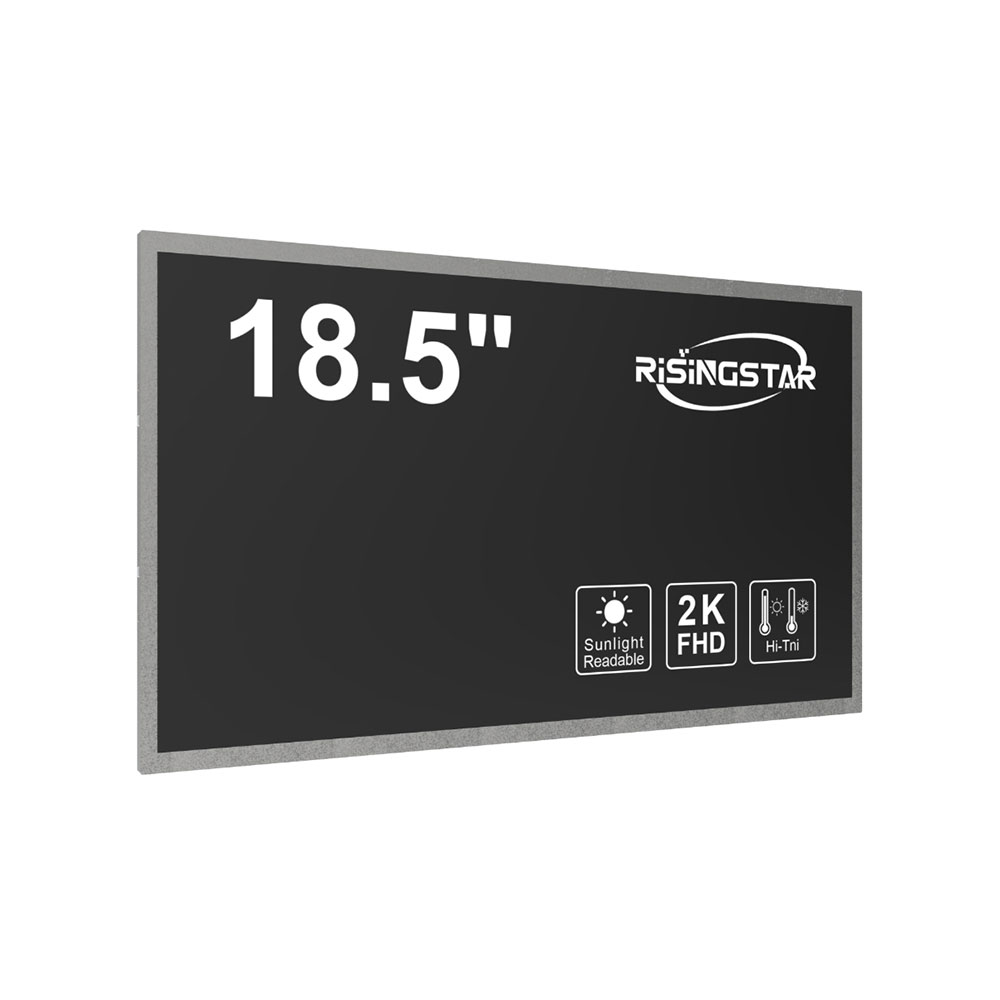
For engineers designing new systems, choosing the right screen means balancing brightness, contrast ratio (minimum 1000:1 for outdoor use), response time (<10ms), and power efficiency. Recent advancements in OLED-based sunlight-readable displays offer better contrast but still lag in brightness output compared to high-end LED-backlit LCDs. Thus, LCD remains the dominant choice for most high-brightness applications today.
Ultimately, successful implementation hinges on understanding both technical specifications and environmental constraints. Whether deploying in a solar farm in Arizona or a ship’s bridge in the Arctic, selecting the correct sunlight-readable LCD ensures operational safety, reduces downtime, and enhances user experience.
上一篇:Sunlight Readable High Brightness LCD Screen Design and Manufacturing Best Practices
下一篇:Sunlight Readable High Brightness LCD Screen Technology for Outdoor Applications