
High Brightness Displays for Outdoor and Industrial Applications
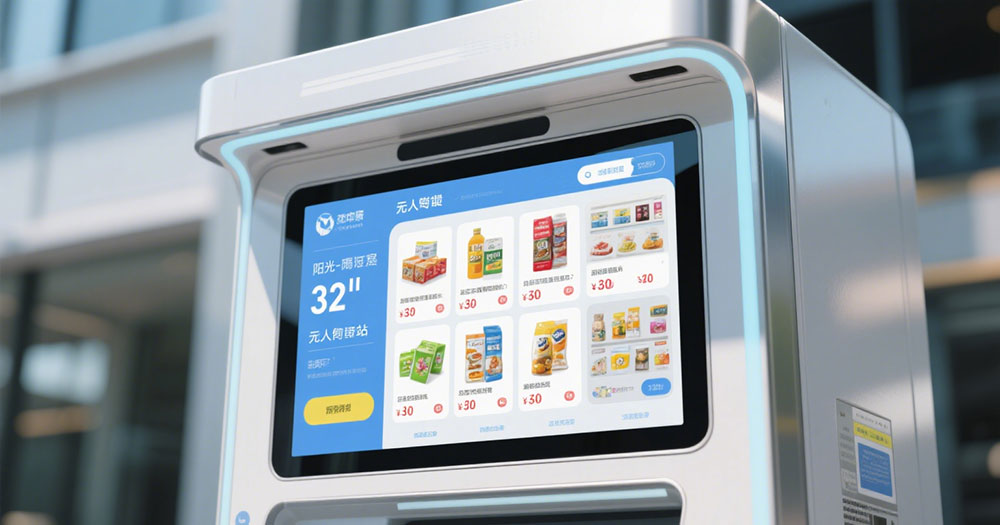
High brightness displays have become essential in modern technology, especially as digital signage, automotive interfaces, and industrial control systems demand visibility under challenging lighting conditions. These displays are engineered to deliver clarity and color accuracy even in direct sunlight or extreme environments where standard screens fail. With peak brightness levels reaching 5000 nits or more—far beyond the typical 300–500 nits of consumer-grade monitors—high brightness LCDs ensure reliable performance across outdoor kiosks, construction equipment dashboards, and public transportation displays.
Manufacturers now integrate advanced technologies like local dimming, anti-reflective coatings, and high-efficiency LED backlights to optimize luminance while reducing power consumption. For instance, LG’s High Brightness LCD panels used in airport information systems achieve 3500 nits with minimal glare, making them ideal for bright terminal environments. Similarly, Sharp’s industrial-grade displays for mining machinery operate reliably at 4000 nits, ensuring operators can read critical data without squinting—even under harsh desert sun.
These innovations are not just about brightness; they’re about usability. In emergency response vehicles, for example, a display that maintains visibility during nighttime operations and sudden daylight exposure (like driving through tunnels) is crucial. The rise of AR/VR applications in manufacturing also benefits from high brightness OLED and micro-LED solutions, offering immersive visuals without compromising real-world situational awareness.
Industry standards such as ISO 9241-31 and MIL-STD-810G guide the testing protocols for durability, including thermal cycling, shock resistance, and UV exposure—all vital for outdoor deployment. As cities adopt smart infrastructure, the demand for ultra-bright, energy-efficient, and long-lasting displays continues to grow. Whether it’s a solar-powered billboard in Dubai or an automated teller machine in a subway station, high brightness displays are no longer optional—they’re foundational to modern visual communication.
上一篇:Understanding 16:9 Aspect Ratio Displays in Modern LCD Technology
下一篇:Industrial-Grade LCD Screens with 5,000 Nits Brightness and 50,000-Hour Lifespan