
How to Choose the Right LCD Display for Industrial Applications
When selecting an LCD display for industrial applications, engineers and procurement teams must consider several critical factors that go beyond basic screen size and resolution. Industrial environments—ranging from manufacturing floors to outdoor field equipment—demand displays that offer durability, reliability, and performance under extreme conditions.
First, evaluate the display’s environmental resilience. Industrial-grade LCDs should meet IP65 or higher ingress protection standards to resist dust, water, and vibration. For example, the LG Innotek 10.4-inch industrial LCD (model LQ104V1LW1) is designed with a ruggedized frame and wide operating temperature range (-30°C to +70°C), making it ideal for harsh settings like oil rigs or automated warehouses.
Second, assess brightness and viewing angles. A minimum of 2500 nits brightness is essential for sunlight-readable displays in outdoor applications such as construction machinery or agricultural equipment. High contrast ratios (e.g., 1000:1 or more) ensure clarity even in low-light environments. The EIZO FlexScan EV2480, for instance, offers 3000 nits peak brightness and IPS panel technology for 178° viewing angles—key features for multi-operator use cases.
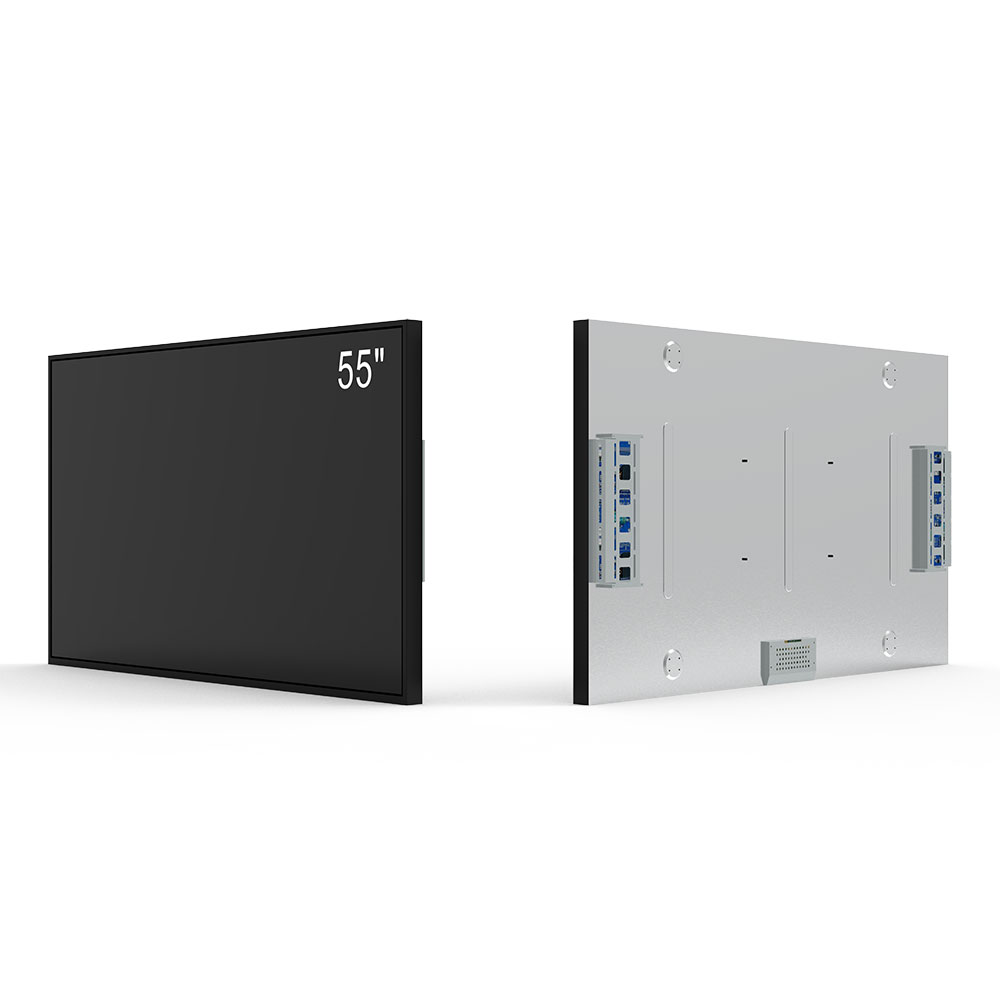
Third, power efficiency matters. Industrial systems often run on battery or solar power. Low-power LCDs like the Sharp LT-104S100 utilize advanced backlighting and dynamic dimming to reduce energy consumption by up to 40% compared to standard models. This not only extends operational time but also lowers long-term maintenance costs.
Fourth, consider compatibility with embedded systems. Industrial LCDs must support industry-standard interfaces like LVDS, eDP, or MIPI. The NXP i.MX RT1060 processor ecosystem, for example, integrates seamlessly with displays using LVDS signaling, enabling faster deployment in IoT edge devices.
Finally, validate real-world performance through certifications and testing. Look for ISO 9001, CE, RoHS, and MIL-STD-810G compliance. These standards confirm that the display has undergone rigorous mechanical shock, thermal cycling, and humidity tests. Case studies from companies like Siemens and Rockwell Automation show that certified displays reduce field failures by up to 60%.
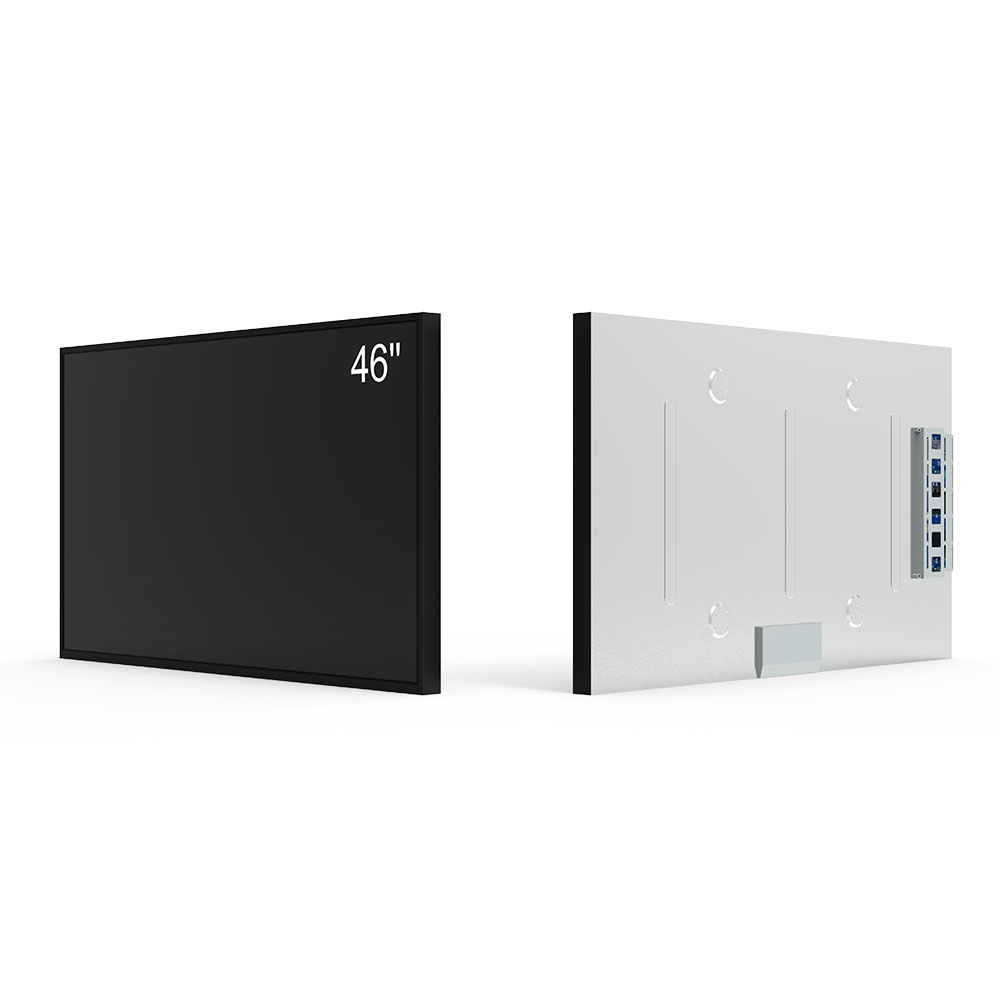
By prioritizing these factors—environmental resistance, brightness, power efficiency, interface compatibility, and certification—you can future-proof your industrial system while ensuring operational continuity in demanding environments.

上一篇:Industrial-Grade LCD Screens with 5,000 Nits Brightness and 50,000-Hour Lifespan
下一篇:RisingStar LCD Display Technology Revolutionizes User Experience in Modern Devices