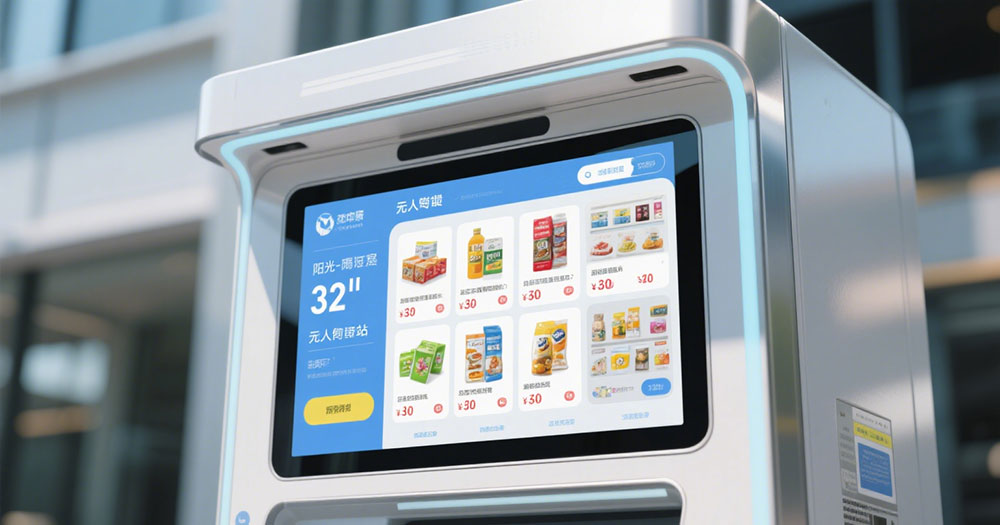
How to Achieve IP66 Waterproof Rating in High-Brightness LCD Displays for Outdoor Use
When designing high-brightness LCD displays for outdoor or industrial applications, achieving an IP66 waterproof rating is not just a feature—it’s a necessity. The IP66 standard, defined by the International Electrotechnical Commission (IEC 60529), specifies that a device is dust-tight (6) and protected against powerful water jets from any direction (6). This level of protection ensures reliable operation in harsh environments such as construction sites, transportation systems, and marine equipment where exposure to rain, dust, and even pressure washing is common.
To meet IP66 requirements, manufacturers must address both mechanical sealing and material integrity. First, the display housing must be constructed from robust materials like aluminum alloy or polycarbonate with seamless joints. Second, gaskets—typically made of silicone or EPDM rubber—are critical for creating a watertight seal around buttons, connectors, and bezels. These gaskets must undergo rigorous testing under simulated real-world conditions, including 30-minute water jet tests at 100 liters per minute and 10 bar pressure, as per IEC standards.
In addition to sealing, internal components must be moisture-resistant. This includes using conformal coatings on printed circuit boards (PCBs) and selecting LEDs and drivers rated for extended environmental tolerance. For sunlight-readable displays, which often exceed 5,000 nits brightness, thermal management becomes crucial—excessive heat can degrade seals over time. Therefore, passive cooling designs with heat sinks and optimized airflow are essential to maintain long-term IP66 compliance.
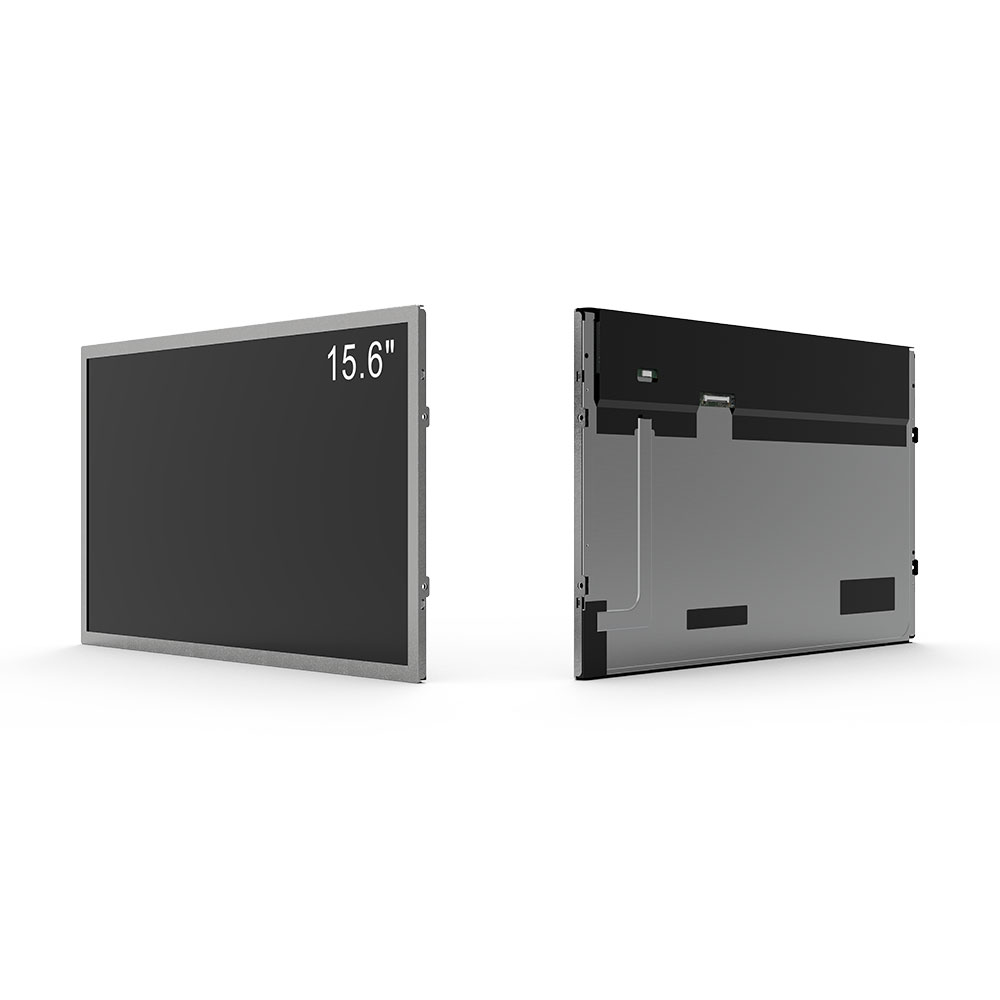
Case studies from leading manufacturers like Eizo, LG Display, and Candescent Technologies show that successful IP66-rated displays integrate multi-layered protection: sealed enclosures, anti-condensation vents, and redundant sealing points. In one field test conducted in Singapore’s tropical climate, an IP66-rated LCD maintained full functionality after 48 hours of continuous heavy rainfall and temperature cycling between 5°C and 45°C.
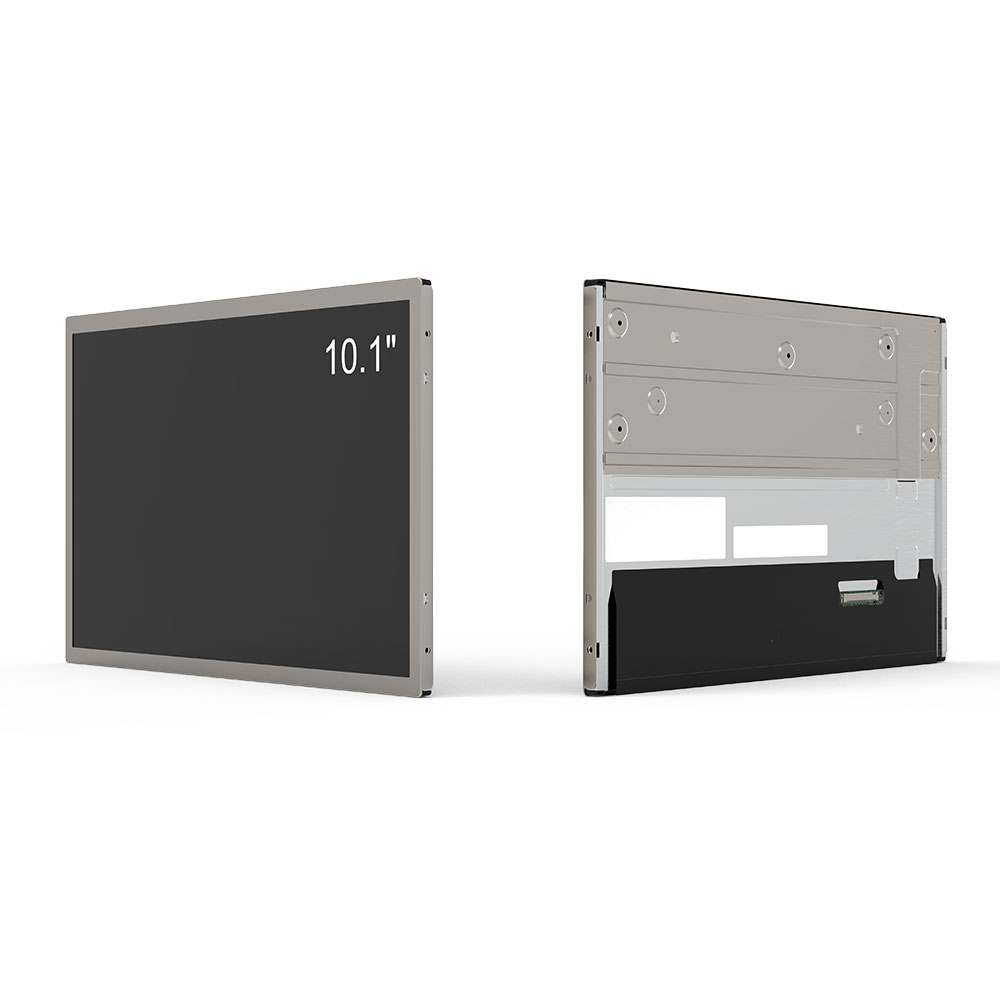
Ultimately, IP66 waterproofing isn’t a checkbox—it’s a holistic engineering effort involving materials science, thermal dynamics, and quality control. When properly executed, it transforms a high-brightness LCD from a vulnerable component into a ruggedized solution capable of enduring extreme conditions while delivering consistent visual performance.