
How to Achieve IP66 Waterproofing in LCD Displays for Industrial Applications
In industrial environments, where exposure to dust, moisture, and mechanical stress is common, achieving reliable waterproof protection for LCD displays is critical. The IP66 rating—defined by the International Electrotechnical Commission (IEC) standard IEC 60529—is a benchmark for both dust tightness and resistance to powerful water jets. This makes it ideal for applications such as outdoor signage, factory automation, medical equipment, and transportation systems.
To achieve an IP66 rating, manufacturers must implement a multi-layered approach. First, the display housing must be sealed using high-quality gaskets or O-rings made from materials like silicone or EPDM rubber, which maintain integrity under temperature extremes and prolonged UV exposure. Second, all seams, screw holes, and cable entry points must be carefully sealed with potting compounds or conformal coatings to prevent ingress of water or particulates. Third, the front glass should be laminated with a protective layer that resists scratching and maintains optical clarity while supporting the seal.
Testing is essential to verify compliance. According to IEC 60529, IP66 requires testing against:
- Dust: A continuous dust chamber test for 8 hours with no internal accumulation.
- Water: A 3-minute jet spray at 12.5 liters per minute from a 6.3 mm nozzle at a distance of 3 meters.
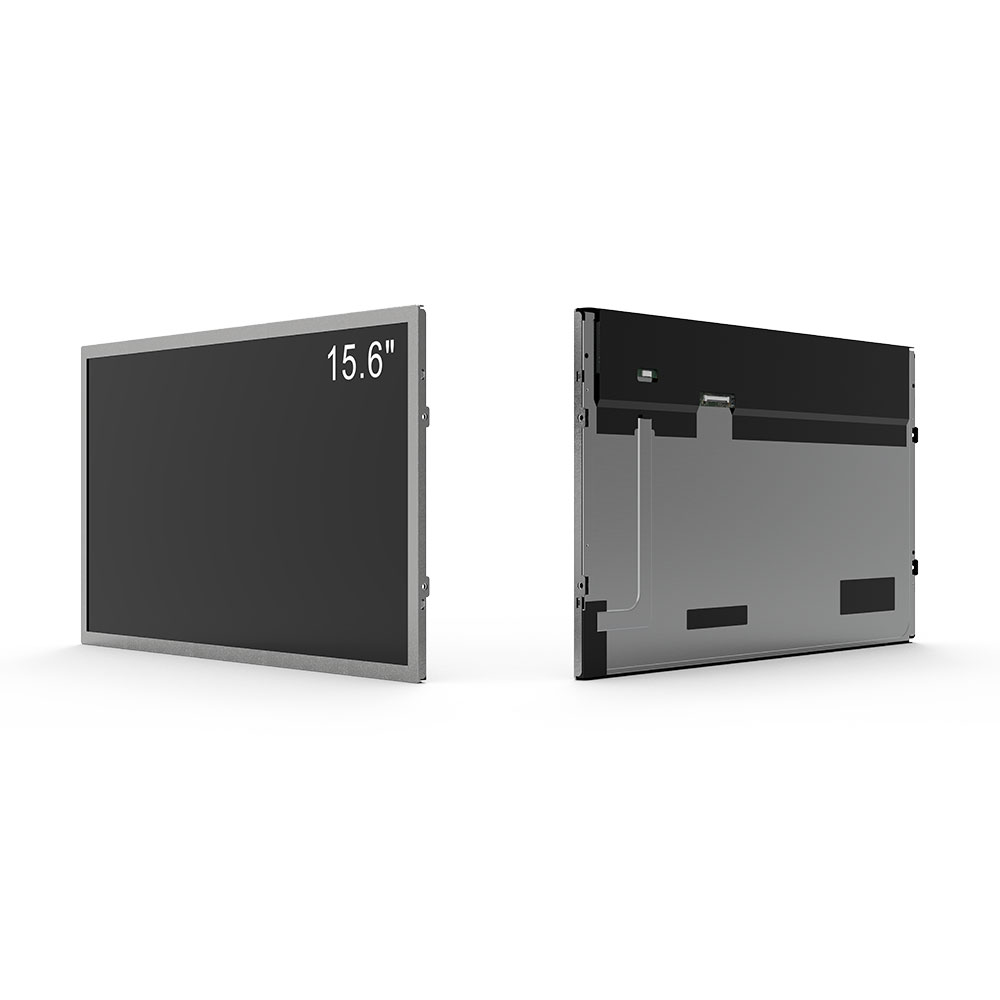
Real-world examples include ruggedized LCDs used in construction machinery and agricultural vehicles. For instance, a leading industrial monitor manufacturer tested their 15-inch LCD with an IP66 rating using the MIL-STD-810H environmental protocol alongside IEC standards, confirming durability in wet and dusty conditions. Customer feedback highlights reduced downtime and improved operator visibility even during heavy rain or sandstorms.
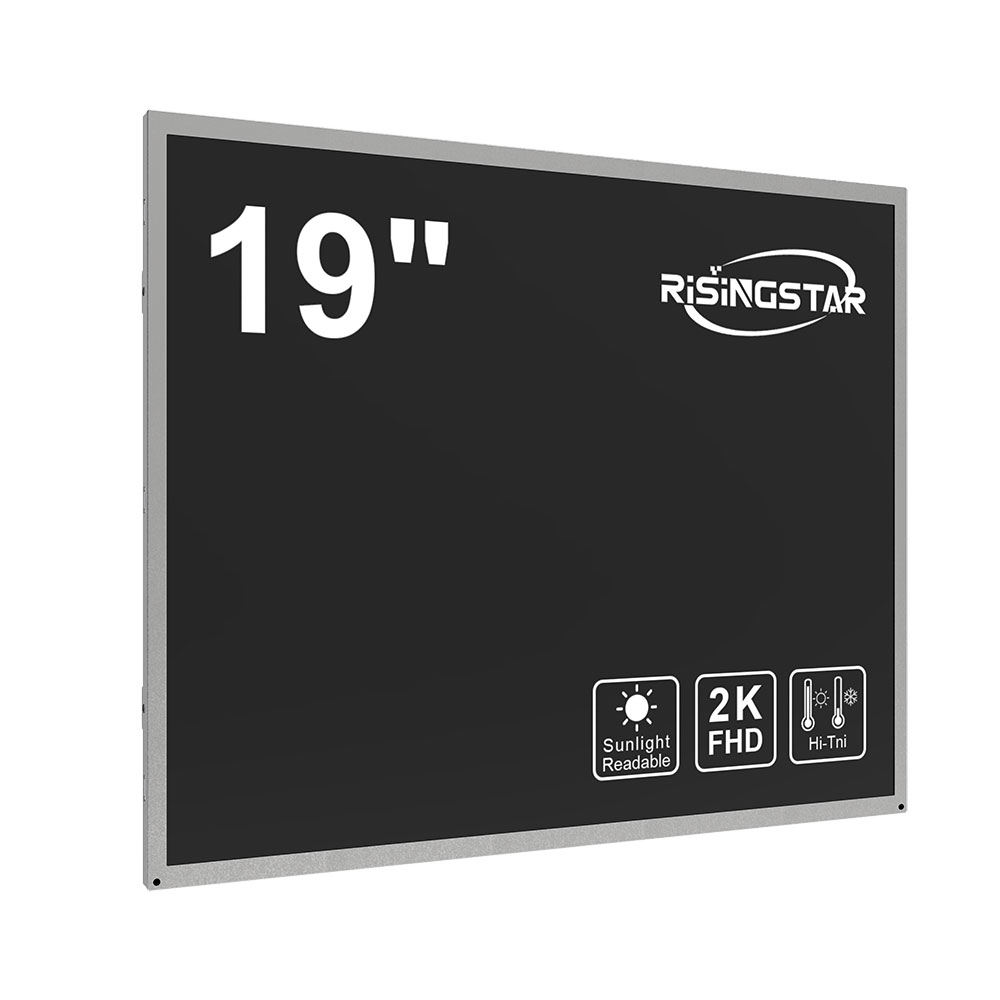
Importantly, achieving IP66 does not compromise performance. Advanced thermal management solutions—such as passive heat sinks or fan-assisted cooling—are integrated without breaking the seal. Additionally, modern LED-backlit panels ensure brightness levels above 1000 nits, maintaining readability in direct sunlight.
For engineers and procurement teams, choosing an IP66-rated LCD means investing in reliability, longevity, and operational safety—especially in harsh environments where failure is not an option.
上一篇:Understanding LCD Panel Technology in Modern Display Manufacturing
下一篇:Choosing the Right Display Resolution for Your LCD Panel Needs