Digital Signage Outdoor Screens for Modern Advertising Solutions
In today’s fast-paced digital world, outdoor digital signage has become a cornerstone of effective advertising strategies across industries such as retail, transportation, hospitality, and public services. Digital signage outdoor screens are not just large displays—they are intelligent communication tools that deliver dynamic content, capture attention in real time, and adapt to environmental conditions like sunlight, weather, and foot traffic.
These screens are built with specialized components including high-brightness LED panels (often exceeding 5,000 nits), weatherproof enclosures (IP65 or higher), and advanced thermal management systems. This ensures durability in extreme conditions—from freezing winters to scorching summer heat—while maintaining image clarity under direct sunlight. Leading manufacturers such as LG, Samsung, and NEC have developed outdoor-ready models like the LG Signage OLED Outdoor Series and the Samsung The Wall Pro, which feature anti-glare coatings and smart brightness sensors that adjust automatically based on ambient light levels.
One of the most compelling benefits of outdoor digital signage is its ability to support targeted, data-driven messaging. With integrated Wi-Fi, cellular connectivity, and cloud-based content management systems (CMS), businesses can remotely update displays across multiple locations in seconds. For example, a chain of convenience stores can push time-sensitive promotions during rush hours or adjust menu boards at a hotel restaurant based on occupancy rates from IoT sensors.
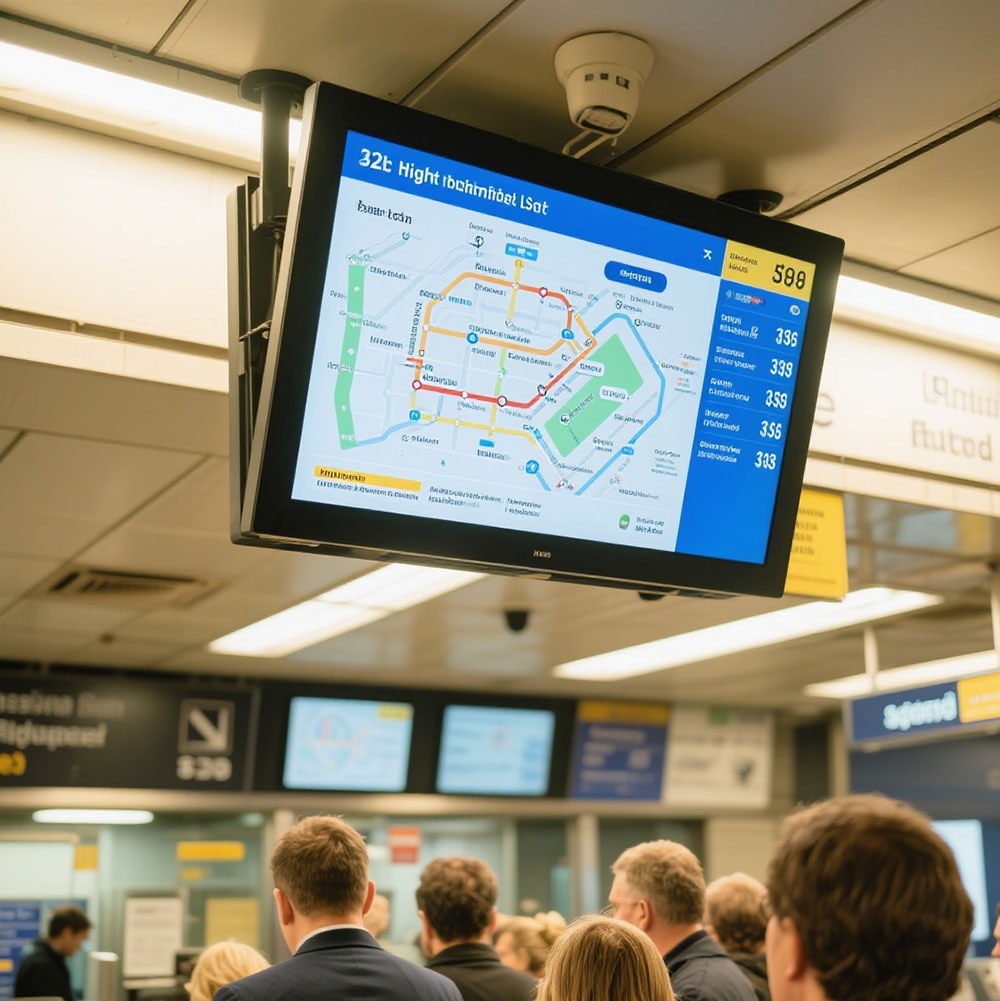
Case studies show significant ROI improvements when using digital signage outdoors. A 2023 report by Juniper Research found that retailers using interactive outdoor kiosks saw up to a 34% increase in customer engagement compared to static billboards. Additionally, cities deploying digital transit signs reduced passenger wait times by improving real-time updates on bus and train schedules—an application highlighted in the European Union’s Smart Cities Initiative.

Environmental considerations also play a key role in modern outdoor screen design. Many new models now comply with Energy Star ratings and use energy-efficient LEDs that reduce power consumption by up to 40% compared to older LCD technology. Moreover, sustainable materials and recyclable components are increasingly being used in construction, aligning with global ESG (Environmental, Social, and Governance) standards.
For businesses seeking reliable solutions, it's critical to evaluate factors like screen resolution (minimum 1080p for clarity), mounting options (wall-mounted, freestanding, or pole-mounted), and integration capabilities with existing digital ecosystems (like Google Ads or Salesforce). Regular maintenance and remote diagnostics further ensure uptime and minimize operational costs over time.
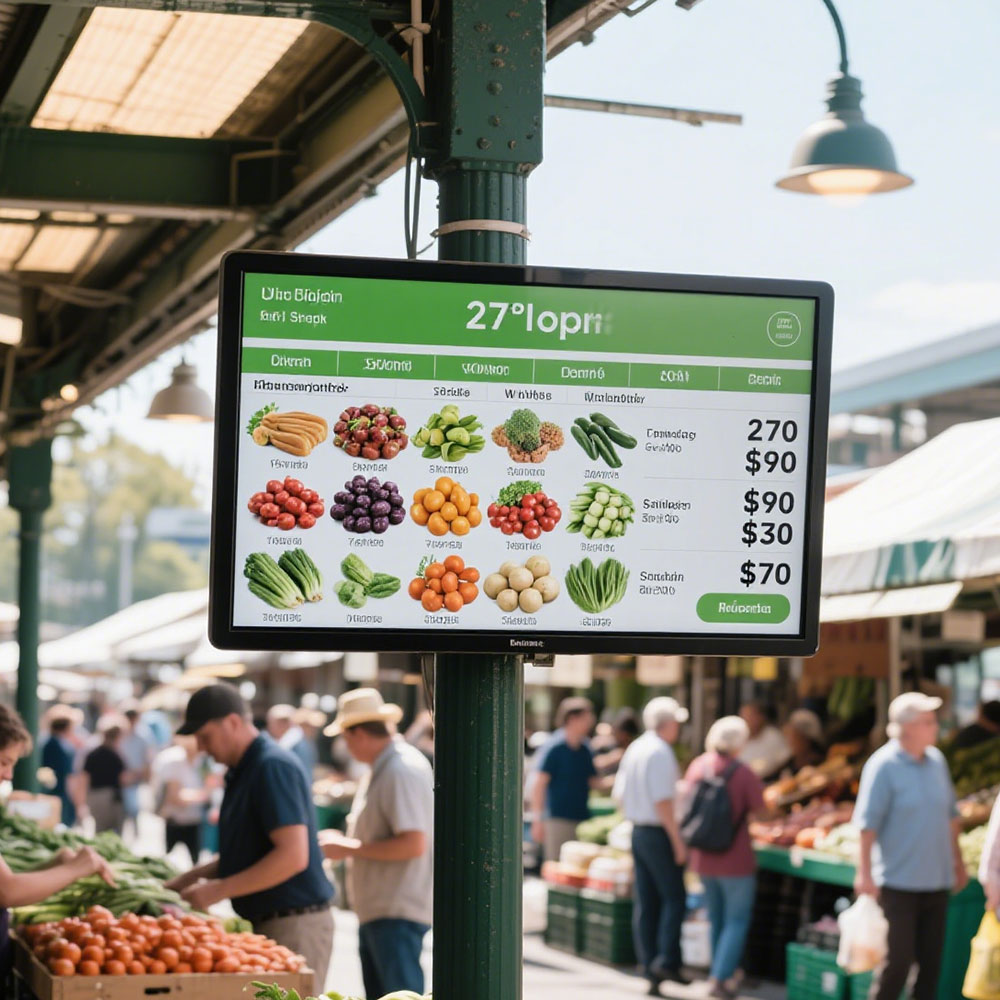
Whether it’s a downtown plaza, a busy airport terminal, or a suburban shopping mall, digital signage outdoor screens provide powerful, scalable platforms for brands to connect meaningfully with audiences—even in challenging environments.