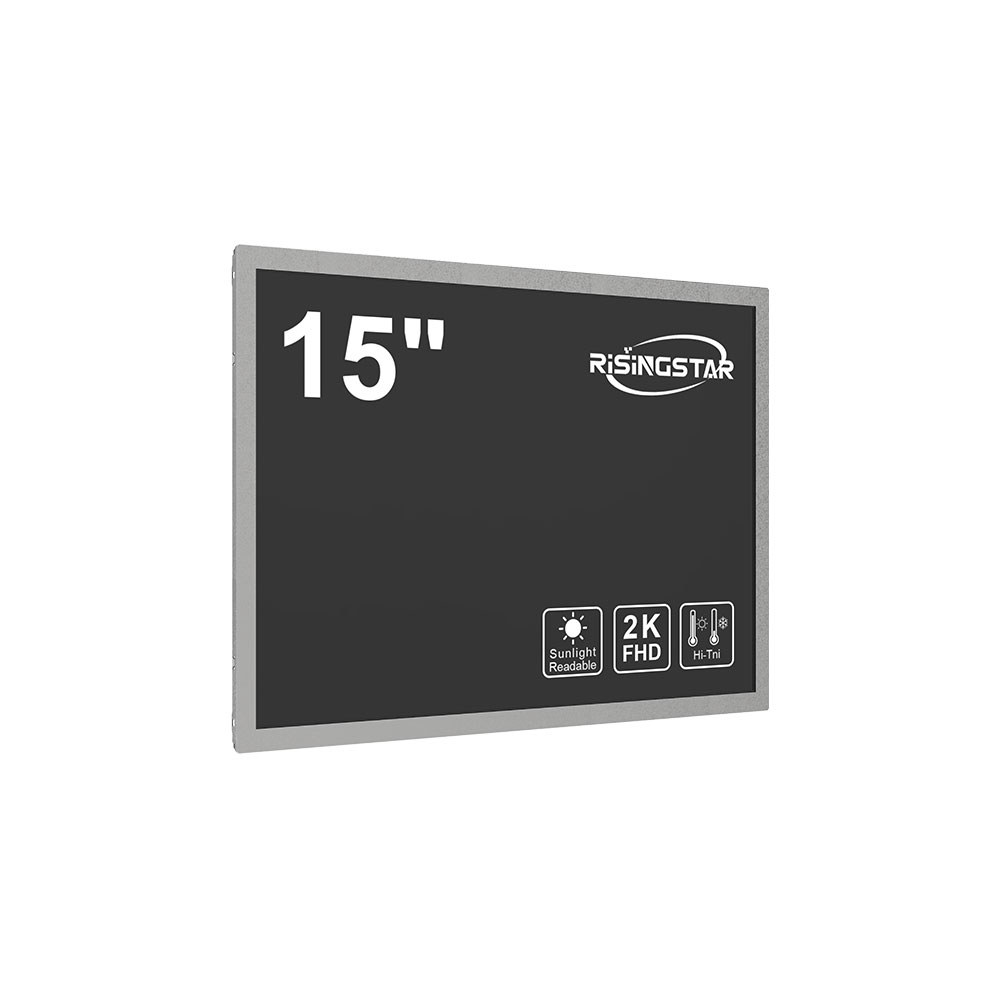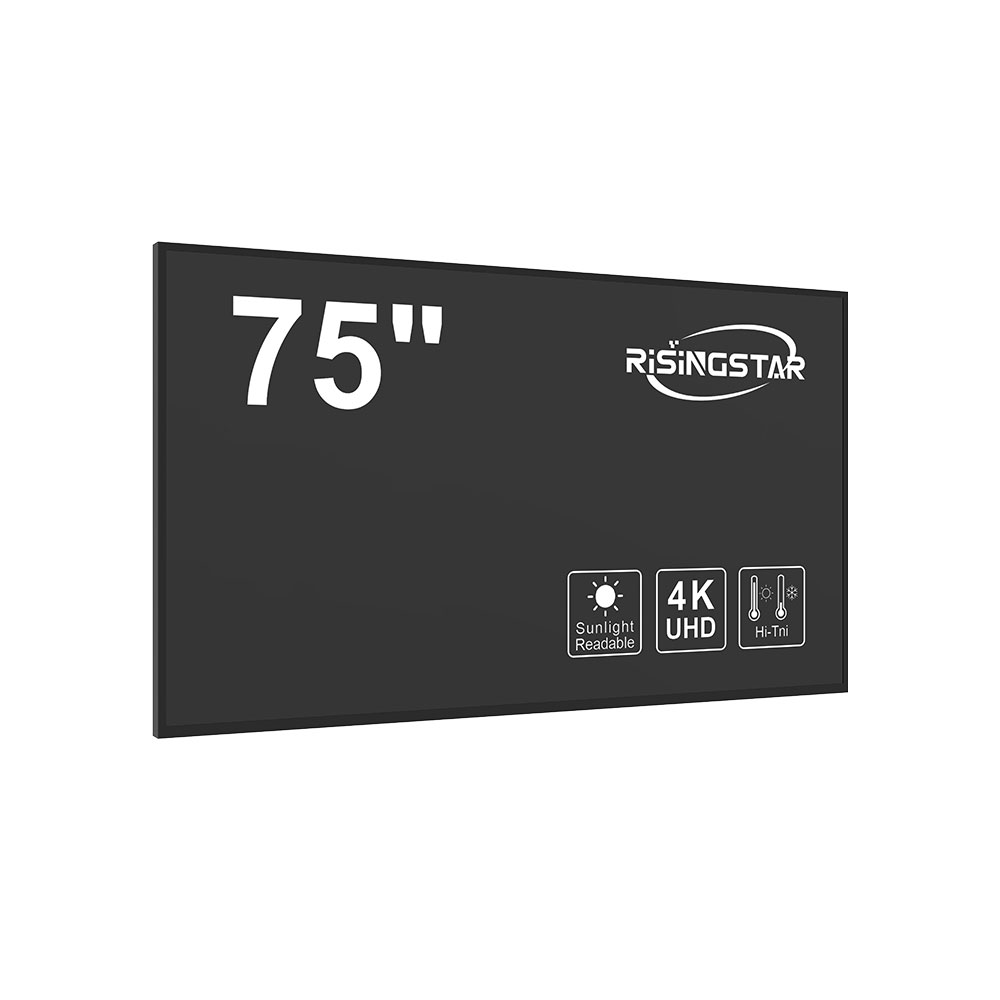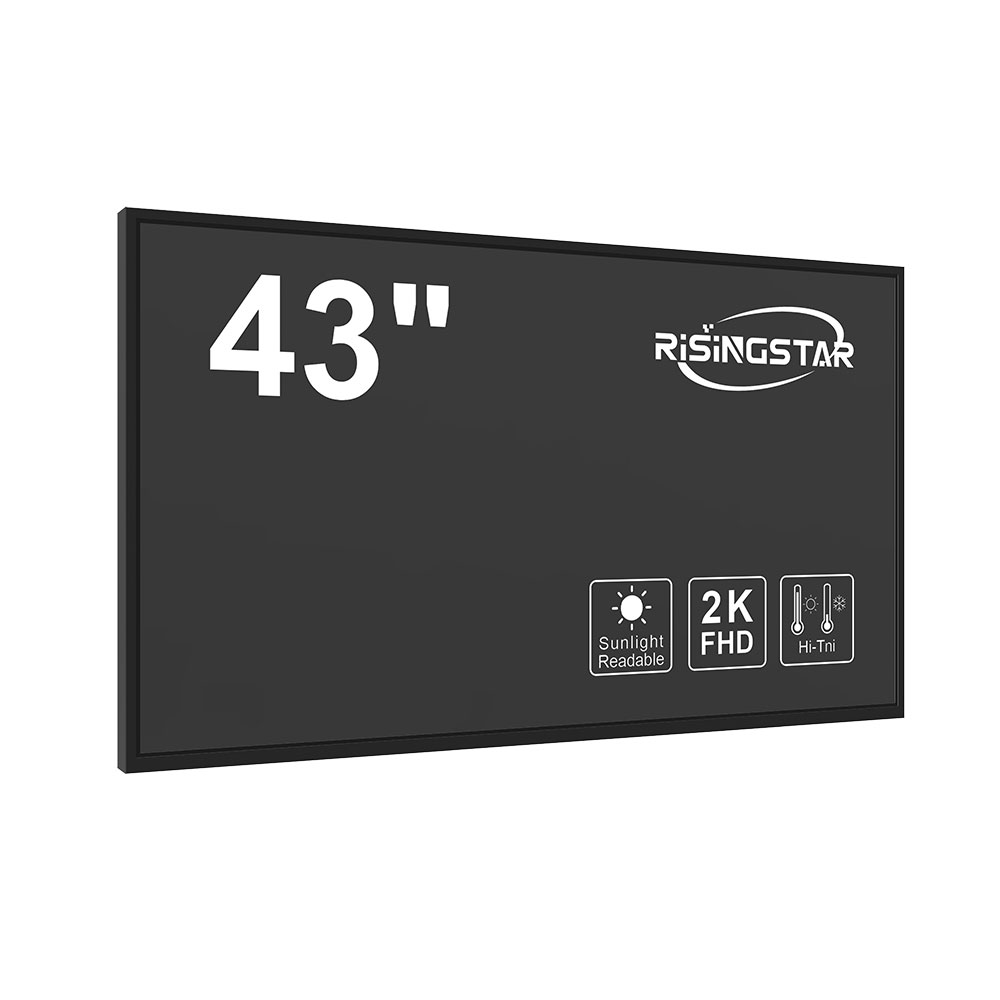
When selecting an outdoor LCD screen for commercial, industrial, or public use, it’s essential to prioritize both visibility in varying lighting conditions and long-term durability against environmental stressors. A high-quality outdoor LCD screen must be engineered not just for performance but also for resilience—factors that directly impact ROI, maintenance costs, and user experience.
First, consider brightness. For sunlight-readable displays, a minimum of 5,000 nits is recommended, though premium models often exceed 7,000 nits. This ensures clarity even under direct sun exposure—a critical factor in retail kiosks, transit stations, or construction site information boards. According to the Society for Information Display (SID), outdoor screens with >5,000 nits maintain readability at 100% contrast ratio under full daylight, while lower-brightness units degrade rapidly beyond 2,000 nits.
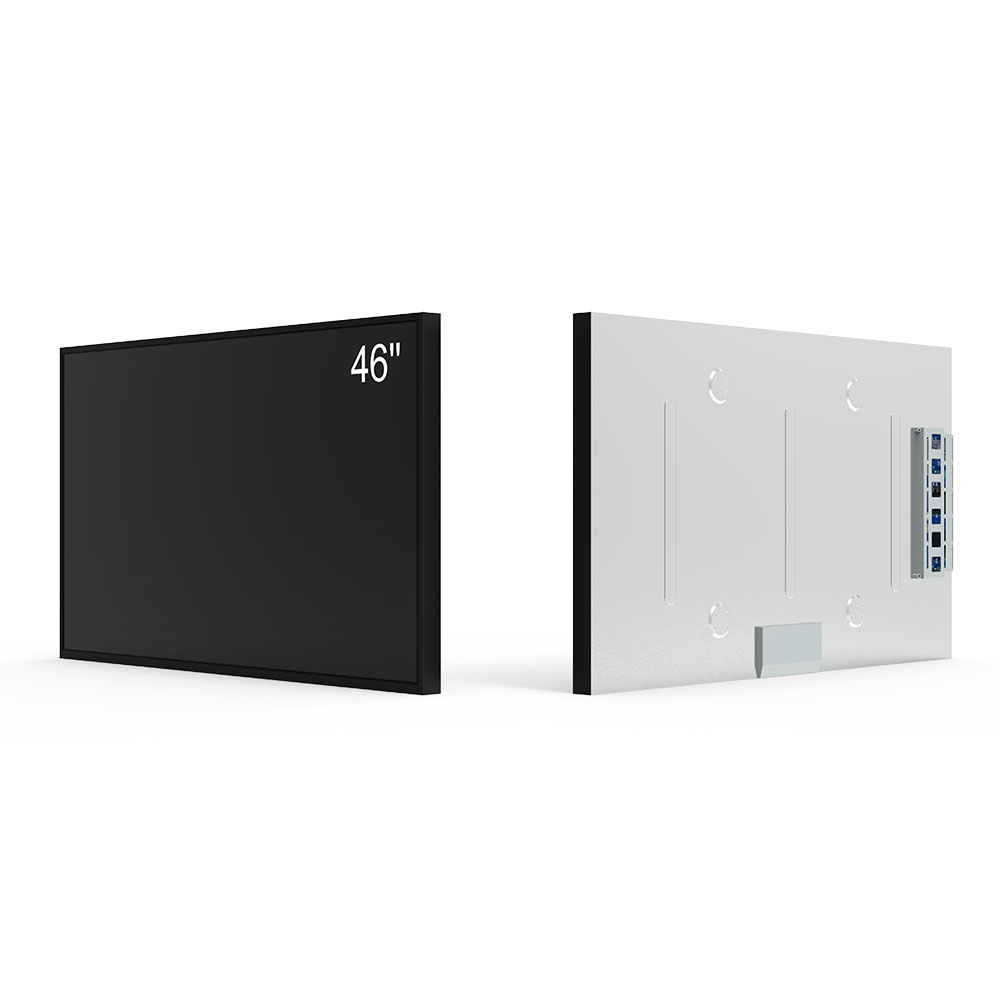
Second, evaluate the display’s IP rating. An IP65 or higher rating means dust-tight protection and resistance to water jets—vital for coastal installations, urban street signage, or agricultural monitoring systems. Real-world case studies from companies like LG and Samsung show that IP65-rated outdoor LCDs deployed in humid tropical climates lasted over 7 years without significant degradation, compared to unprotected units failing within 2–3 years.
Third, assess the operating temperature range. Industrial-grade outdoor LCDs should function reliably between -30°C and +70°C. This range is supported by advanced thermal management systems such as passive heat sinks and active cooling fans, which prevent overheating in desert environments or freezing conditions in northern latitudes.
Additionally, consider power efficiency. Modern outdoor LCDs now feature adaptive brightness control and low-power LED backlights that reduce energy consumption by up to 40% compared to older models. This not only lowers utility bills but also aligns with global sustainability goals, particularly relevant for municipalities and large-scale deployments.
Finally, don’t overlook software integration. Many manufacturers offer SDKs and APIs for content management, remote diagnostics, and real-time updates—features increasingly vital for smart city applications and dynamic advertising networks.
In summary, choosing the right outdoor LCD screen involves balancing technical specs with real-world performance data, industry standards, and long-term operational needs. Prioritizing brightness, environmental sealing, thermal tolerance, power efficiency, and smart features ensures you invest in a solution that delivers consistent performance across diverse global markets.