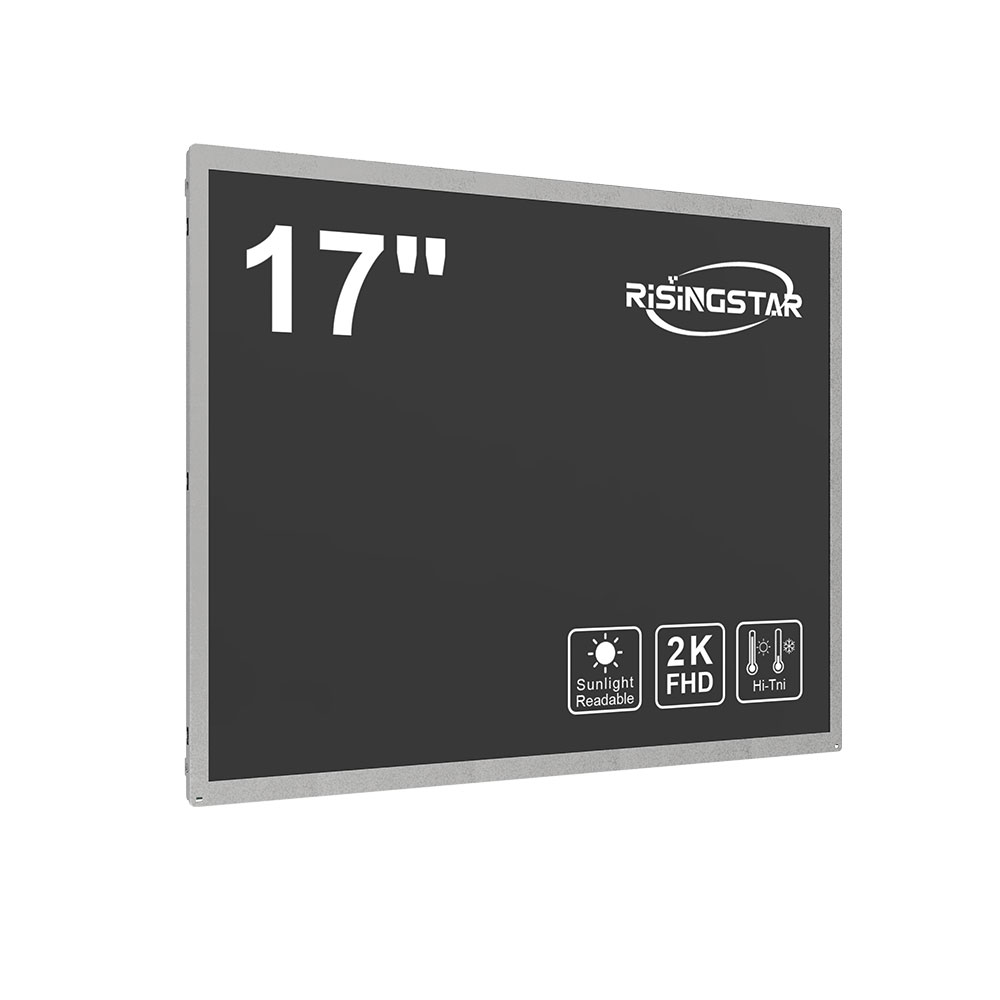
Selecting the appropriate LCD display for industrial applications requires a thorough understanding of operational conditions, performance requirements, and environmental challenges. Unlike consumer-grade displays, industrial LCDs must operate reliably under extreme temperatures, vibration, humidity, and electromagnetic interference. This makes material selection, brightness levels, viewing angles, and ruggedization critical factors in system design.
The introduction to this decision-making process should begin with identifying the specific use case—whether it's in manufacturing automation, medical devices, transportation systems, or energy infrastructure. Each sector imposes different demands. For example, an LCD in a control panel inside a factory may require high contrast ratios and wide temperature tolerance (-30°C to +70°C), while a display in a mobile field device must withstand shock and dust ingress (IP65 rating).
In the main body, key considerations include brightness (measured in nits), with industrial units typically needing 1000–2000 nits for outdoor visibility; response time (ideally< 5ms) to prevent motion blur in dynamic environments; and backlight longevity—LED-backlit panels are preferred over CCFL due to their longer lifespan and better energy efficiency. Additionally, touch functionality is increasingly common, but resistive vs. capacitive touch technology must be matched to the user interface environment (gloved hands vs. bare fingers).
Manufacturers like LG, Sharp, and AU Optronics offer certified industrial-grade LCDs that meet MIL-STD-810G standards for durability. These panels often feature anti-glare coatings, wide viewing angles (up to 178°), and enhanced corrosion resistance. Furthermore, compatibility with industrial communication protocols such as RS-485 or CAN bus ensures seamless integration into existing control systems.

Finally, the conclusion emphasizes that choosing an industrial LCD is not just about screen size or resolution—it’s about ensuring long-term reliability in demanding environments. A well-chosen display improves system uptime, reduces maintenance costs, and enhances operator safety. By prioritizing specifications aligned with real-world operating conditions, engineers can future-proof their designs and avoid costly failures.