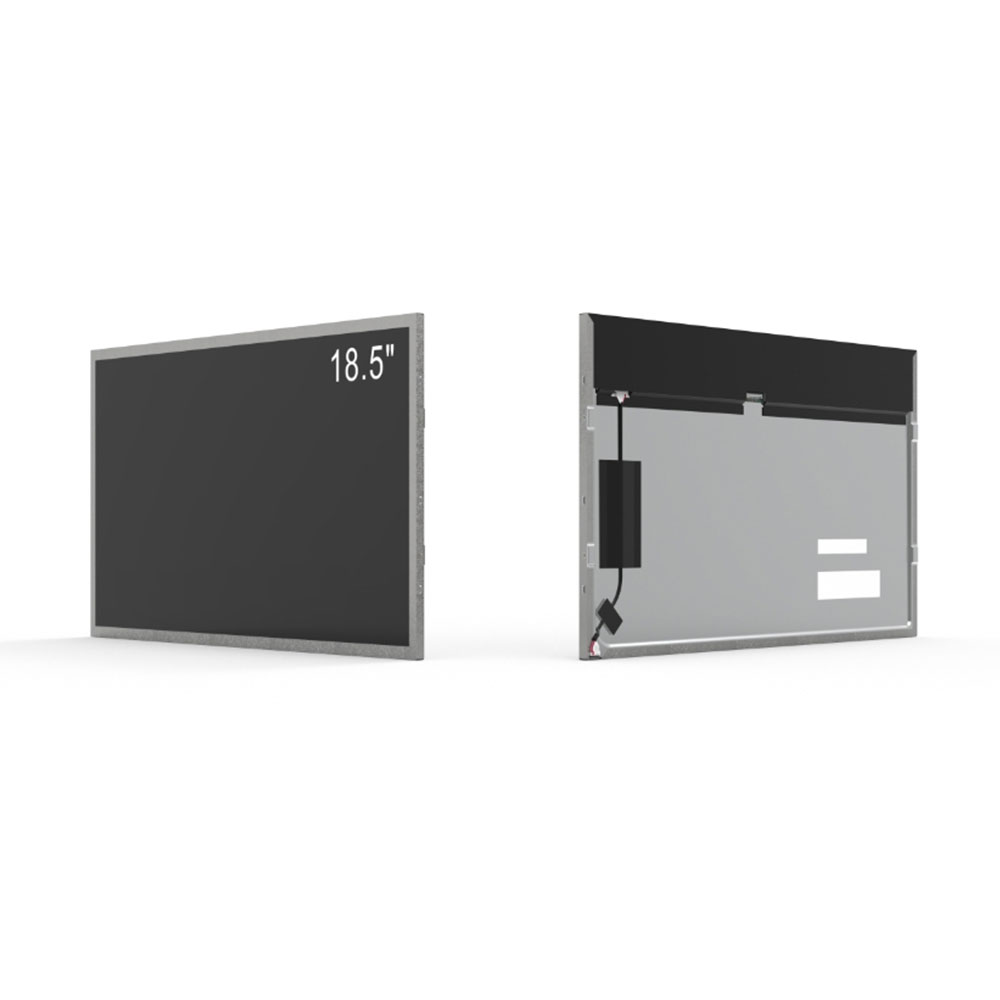
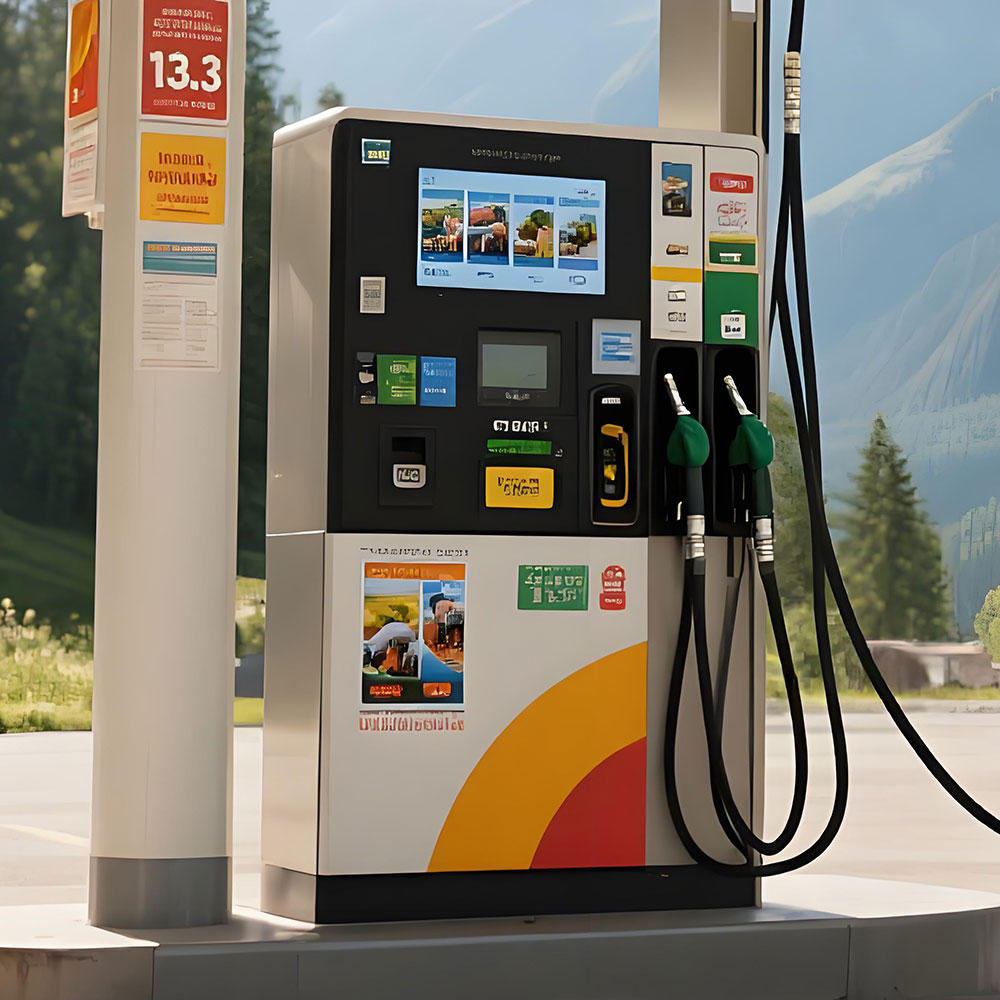
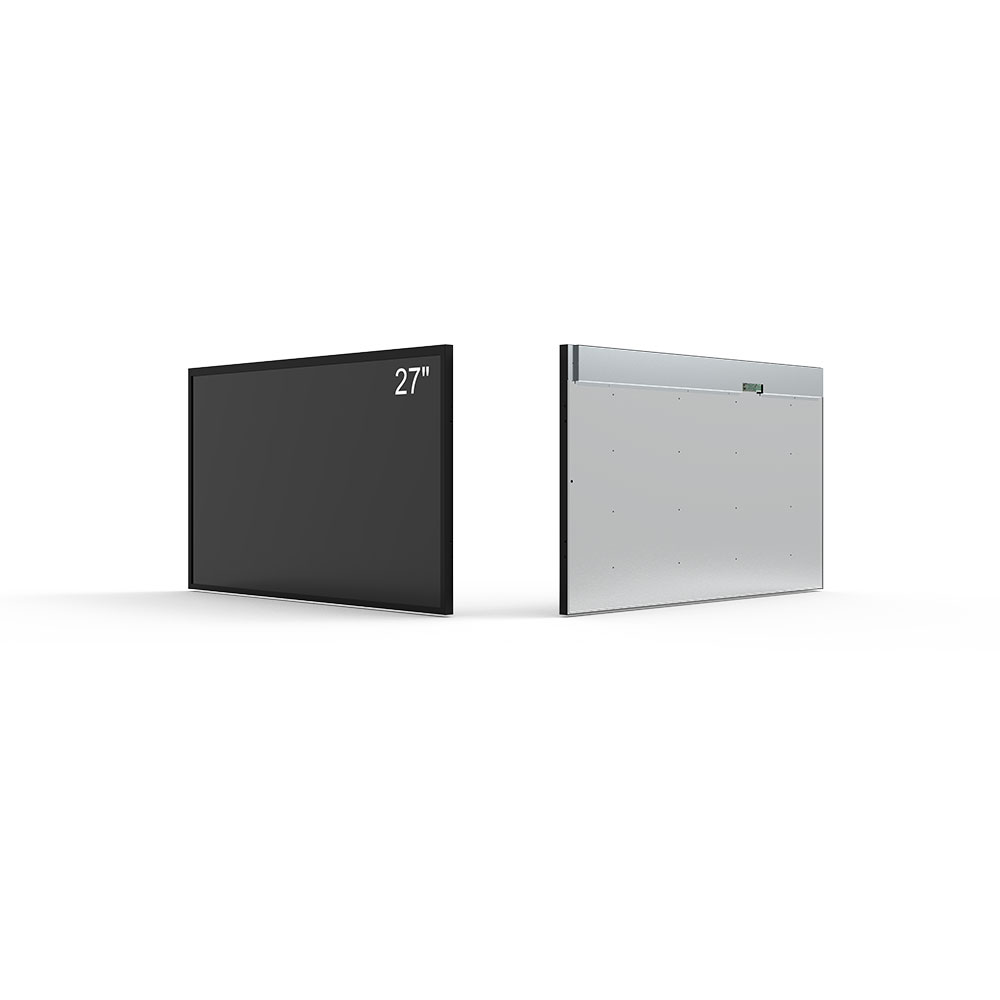
Selecting the appropriate LCD display for industrial applications is a critical decision that directly impacts system reliability, user experience, and long-term operational costs. Unlike consumer-grade displays, industrial LCDs must withstand extreme environmental conditions such as temperature fluctuations, humidity, vibration, and electromagnetic interference (EMI).
First, consider the operating environment. For instance, if your application involves outdoor use—such as in construction machinery or traffic control systems—the display must be rated for wide temperature ranges, typically from -20°C to +70°C. Many manufacturers now specify Ingress Protection (IP) ratings for their industrial panels; an IP65 rating ensures protection against dust and water jets, which is essential for rugged environments.
Second, evaluate brightness and contrast ratio. Industrial settings often involve direct sunlight or low-light conditions. A display with at least 1000 nits of brightness is recommended for outdoor visibility, while high contrast ratios (e.g., 1000:1 or higher) improve readability under challenging lighting. Some models, like those using IPS (In-Plane Switching) technology, offer superior viewing angles and color consistency compared to TN (Twisted Nematic) panels—a key advantage in multi-user or mobile industrial setups.
Third, assess durability and lifespan. Industrial LCDs should support 50,000+ hours of continuous operation without significant degradation in performance. Look for displays certified under IEC 60068 (environmental testing standards) and MIL-STD-810G (military-grade shock and vibration resistance). These certifications ensure the display can endure real-world stressors common in manufacturing, logistics, and transportation sectors.
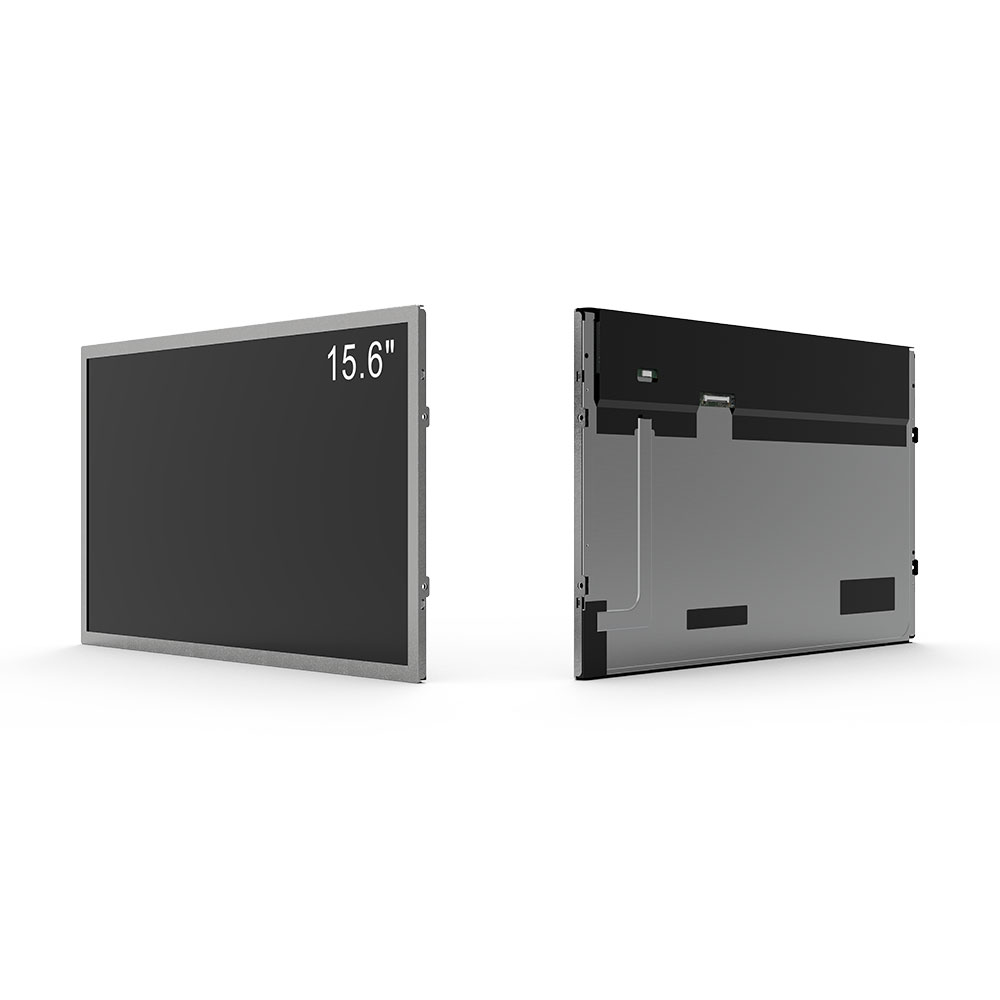
Finally, consider integration compatibility. Industrial LCDs must interface seamlessly with existing control systems—whether via LVDS, HDMI, or proprietary protocols. Ensure that the panel supports required resolutions (e.g., 1920x1080 Full HD) and has robust connectors for stable signal transmission. Many leading suppliers, such as LG Display, BOE Technology, and AU Optronics, provide technical datasheets, sample kits, and design support for OEMs.
By focusing on environmental resilience, visual clarity, mechanical durability, and system compatibility, engineers and procurement teams can make informed choices that maximize uptime, reduce maintenance, and enhance overall productivity in demanding industrial applications.