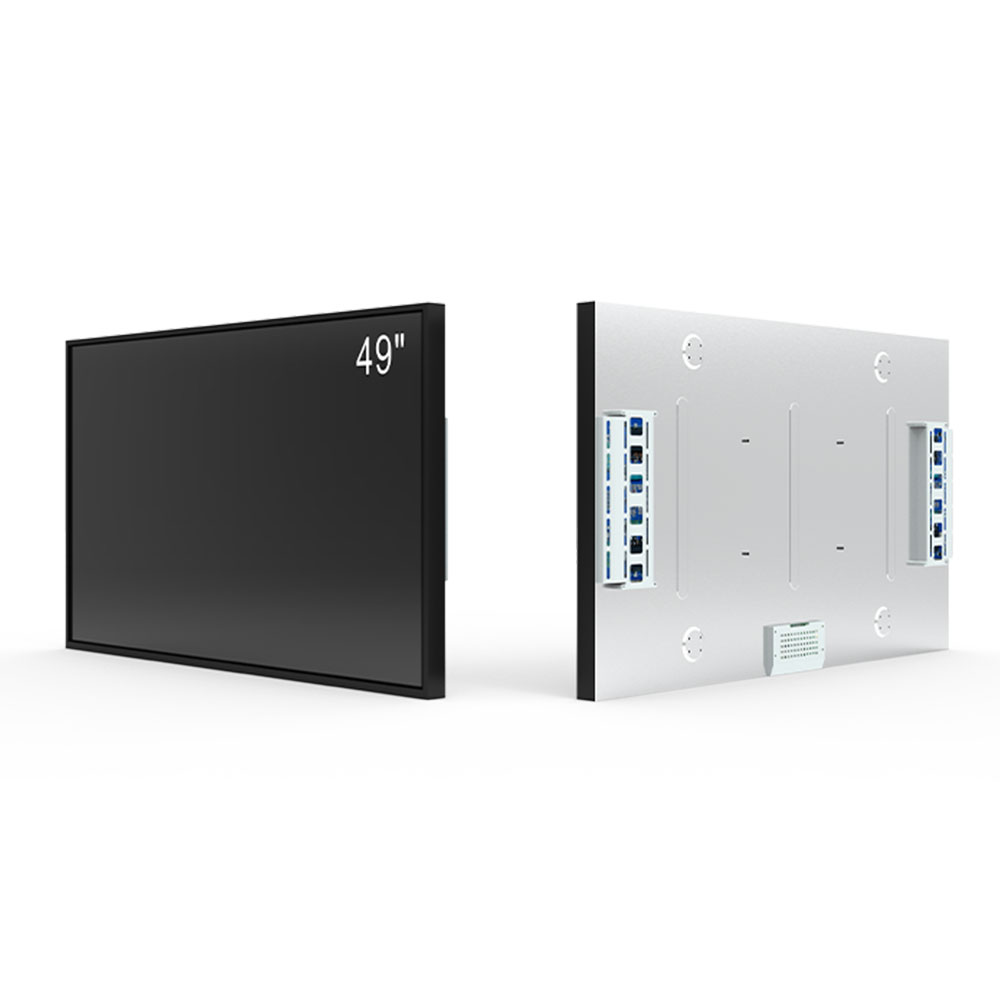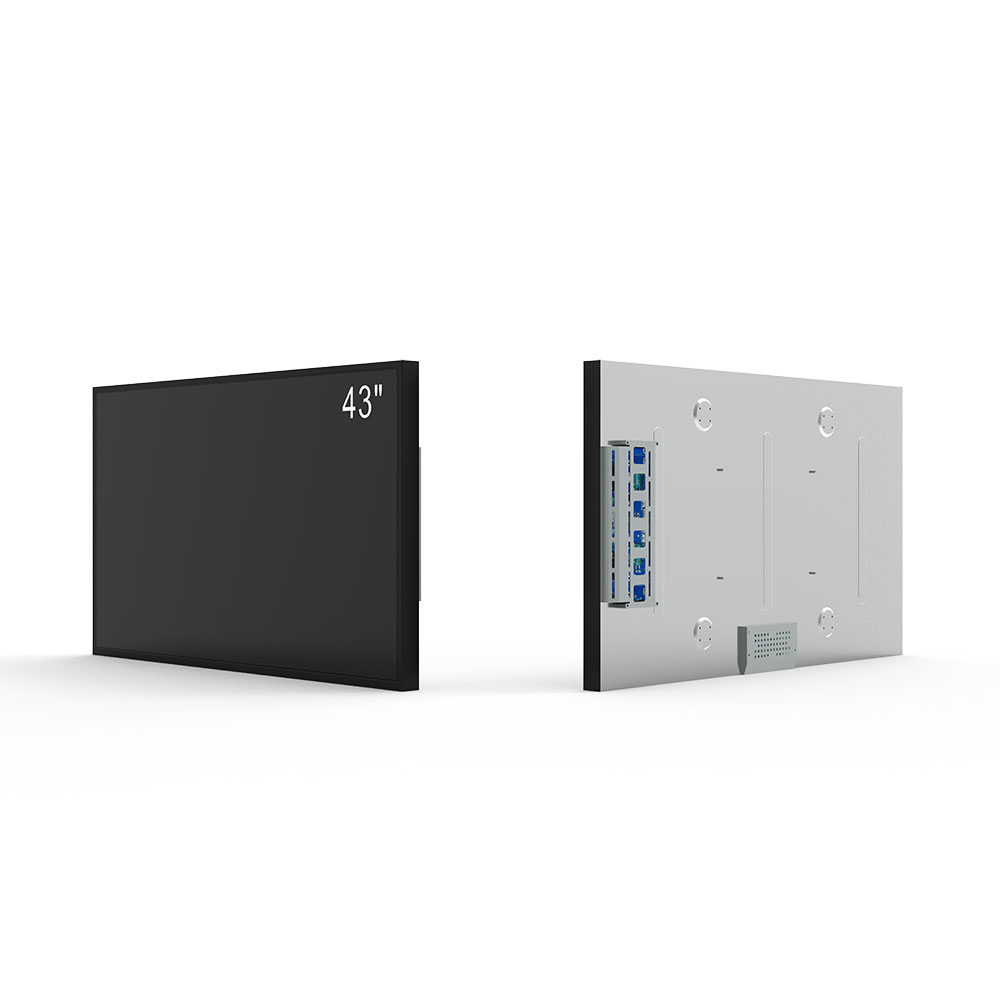
In today’s rapidly evolving technology landscape, LCD displays are integral to a wide range of applications—from industrial control systems and medical devices to automotive infotainment and outdoor signage. However, their performance can degrade significantly when exposed to harsh environmental conditions such as extreme temperatures, high humidity, UV radiation, or mechanical shock. Understanding how to optimize LCD display performance under these conditions is critical for ensuring reliability, longevity, and user satisfaction.
The introduction of this topic begins with the growing demand for durable, high-quality displays across industries. According to a 2023 report by MarketsandMarkets, the global industrial LCD market is projected to reach $18.5 billion by 2028, driven largely by increasing automation and IoT integration. This growth underscores the need for robust display solutions that function consistently in challenging environments—not just in controlled lab settings.
The main body of this article explores key strategies to enhance LCD performance in harsh conditions. First, selecting the right display panel type is essential. For instance, TN (Twisted Nematic) panels offer fast response times but limited viewing angles, while IPS (In-Plane Switching) panels provide superior color accuracy and wider viewing angles—ideal for outdoor use. Second, incorporating advanced backlighting technologies like LED arrays with heat-dissipating materials helps maintain brightness and reduce thermal stress. Third, using protective coatings such as anti-reflective (AR), anti-glare (AG), or hard-coat glass minimizes image distortion from sunlight or rain. Fourth, sealing techniques like IP65 or IP67 ratings protect against dust and water ingress—a necessity in manufacturing plants or marine environments.
Moreover, real-world testing plays a vital role. Manufacturers should conduct rigorous environmental stress tests per IEC 60068 standards, including temperature cycling (-40°C to +70°C), humidity exposure (95% RH), and vibration resistance. These tests simulate actual field conditions and validate design choices before mass production. For example, a case study from Sharp Corporation showed that implementing an IP68-rated enclosure improved LCD lifespan by over 40% in oil rig monitoring systems.
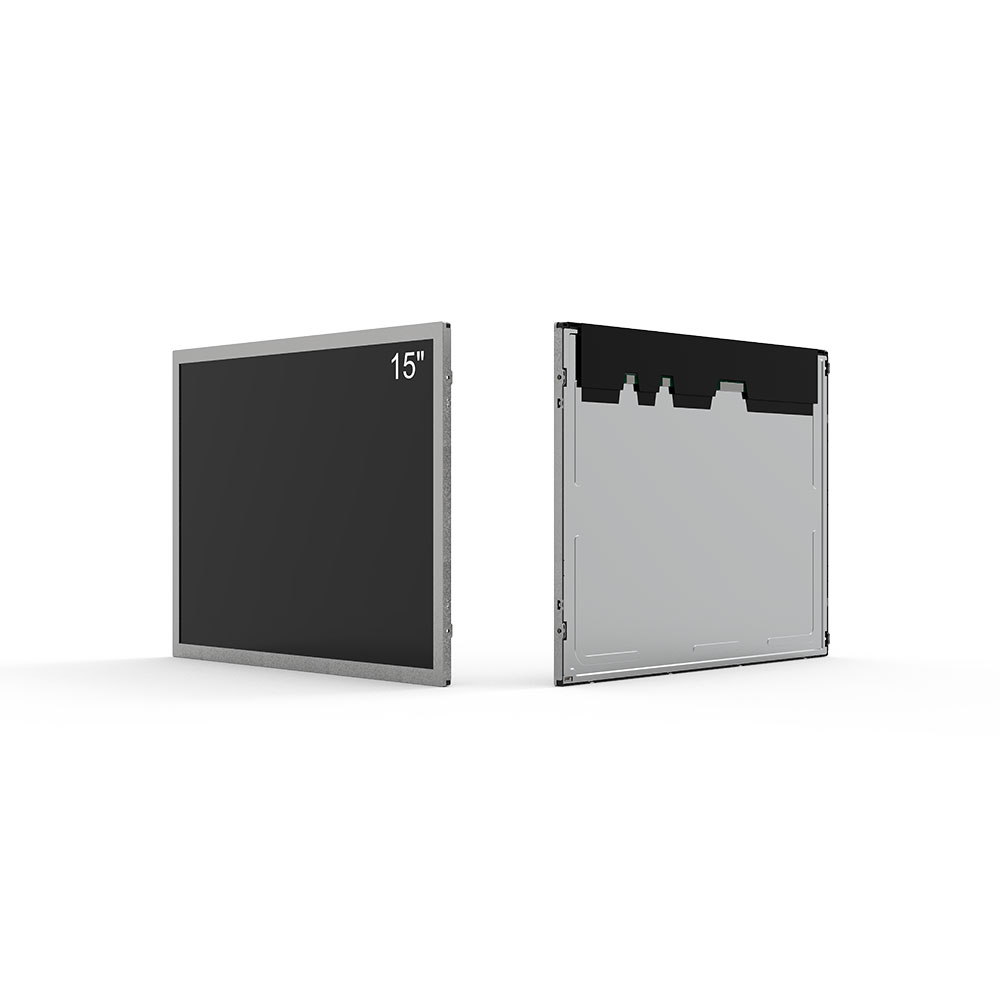
Finally, the conclusion emphasizes that optimizing LCD performance isn’t a one-time task—it requires continuous evaluation, material innovation, and alignment with industry-specific standards. Whether deploying displays in desert climates or freezing Arctic research stations, engineers must adopt a holistic approach combining hardware selection, environmental adaptation, and validated testing protocols. By doing so, organizations not only extend product life cycles but also reduce maintenance costs and improve end-user trust.