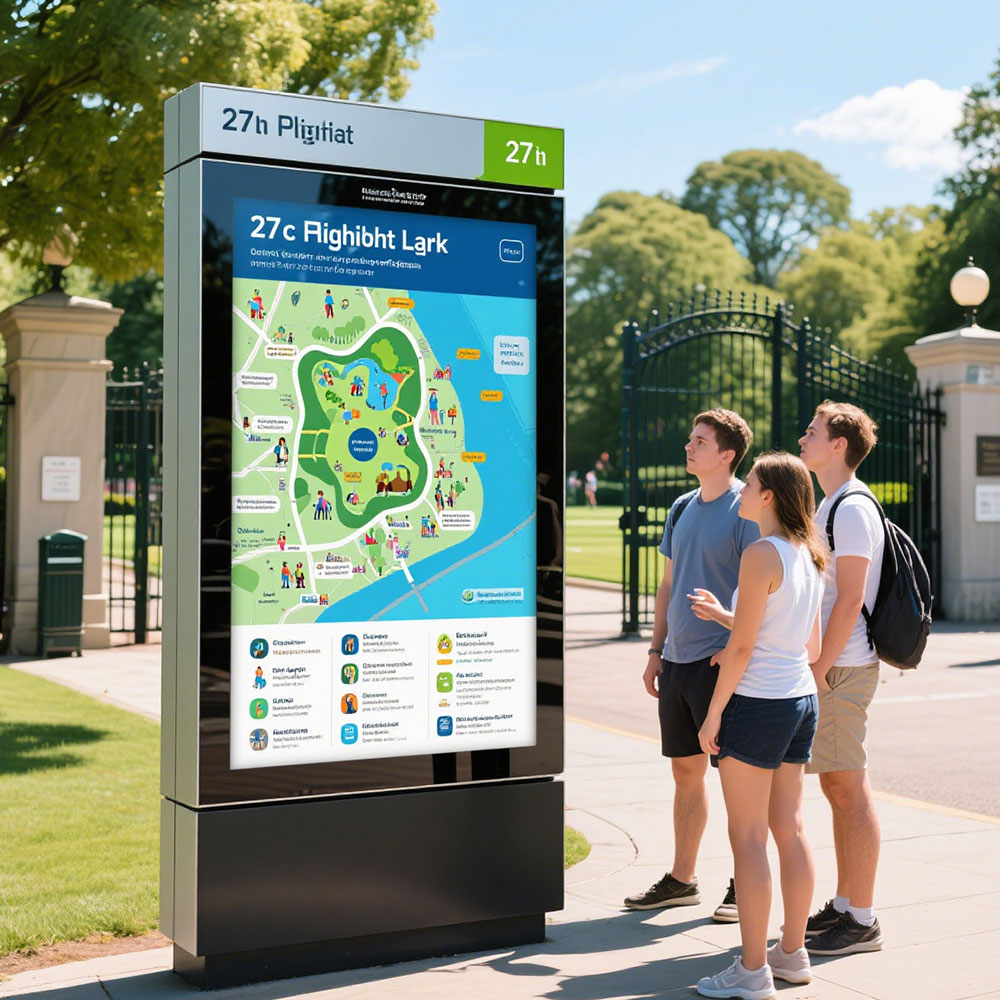
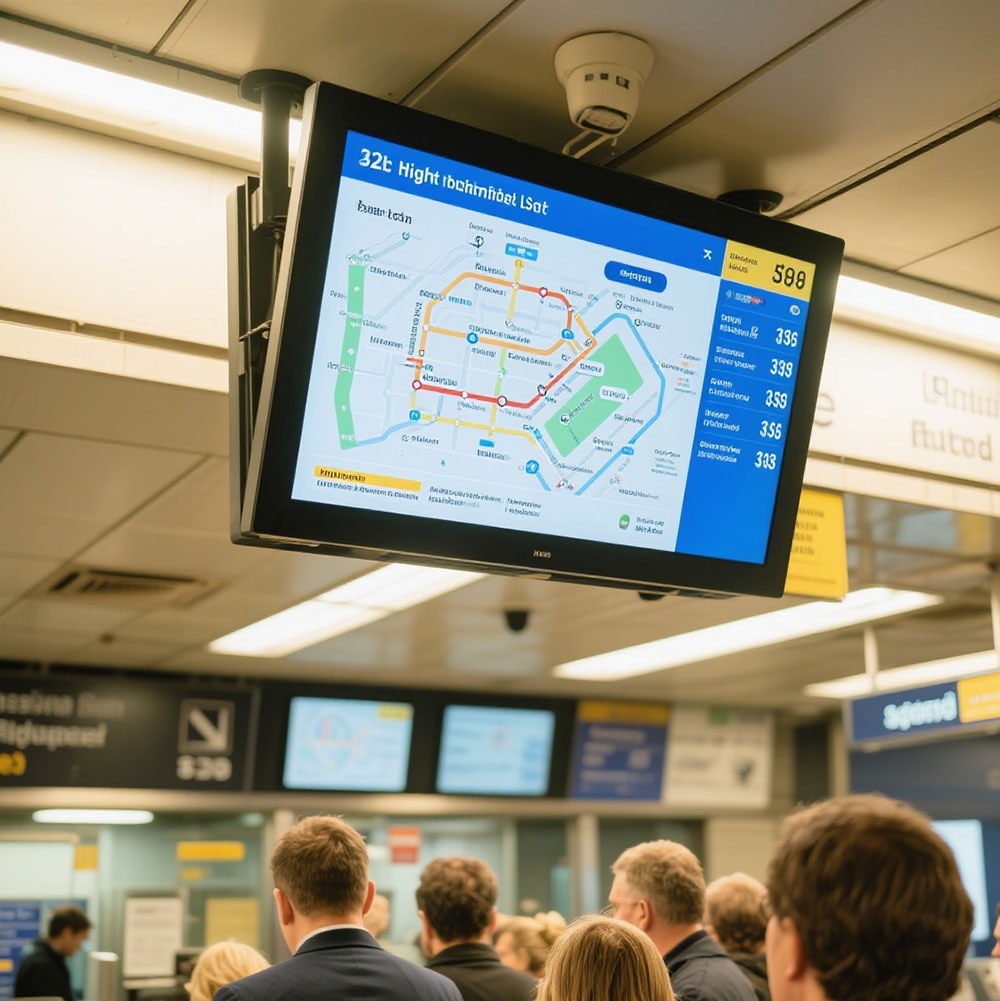
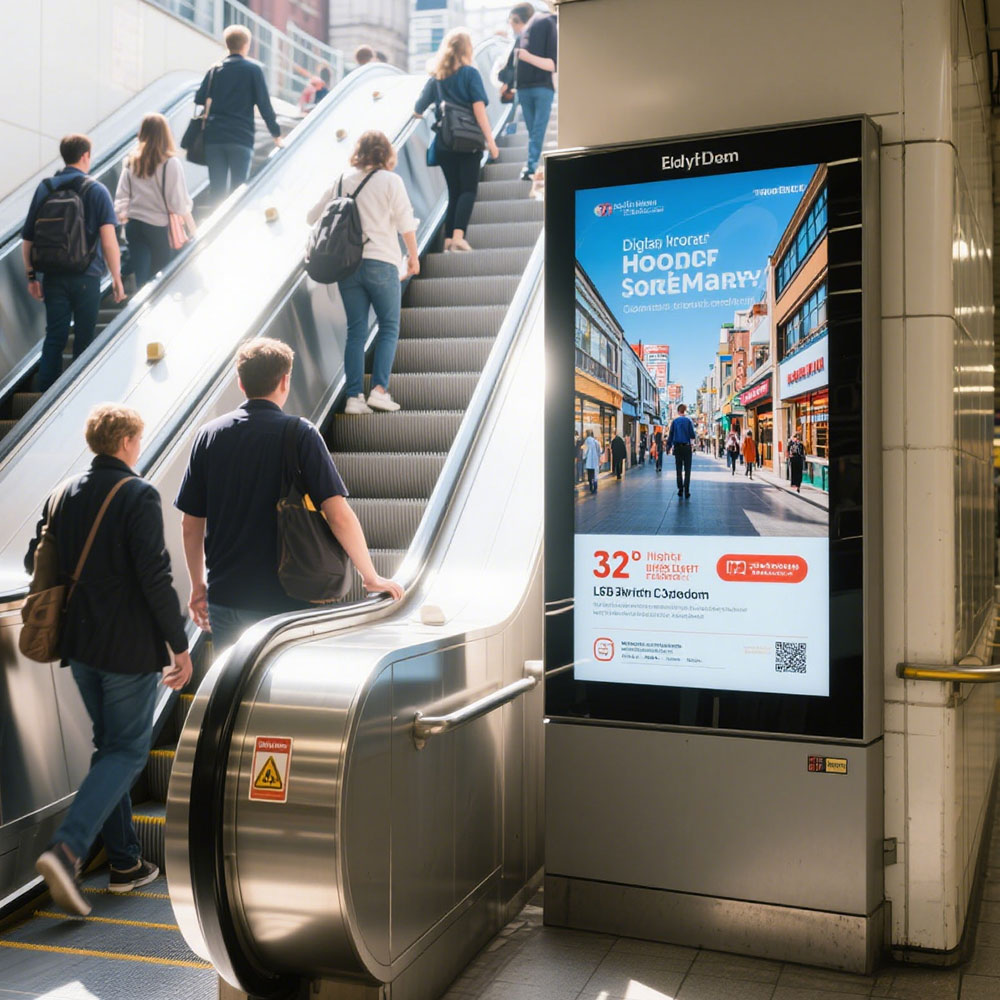
Industrial-grade LCD displays are engineered to deliver consistent performance in demanding environments where consumer-grade screens would fail. These ruggedized displays are widely used across transportation systems—including railways, buses, trains, subways, and intercity rail networks—where continuous operation, high brightness, and resistance to vibration and temperature extremes are critical. For instance, passenger information displays (PIDs) in subway stations must remain visible under bright sunlight or low-light conditions and withstand constant mechanical stress from foot traffic and environmental factors like humidity and dust.
In the energy sector, industrial LCDs power EV charging kiosks and gas pumps, offering intuitive interfaces that operate reliably in outdoor conditions ranging from -30°C to +60°C. Their anti-glare coatings, IP65-rated enclosures, and wide viewing angles ensure readability and durability even in direct sunlight or heavy rain. Similarly, in retail and real estate sectors, digital signage powered by industrial-grade panels supports dynamic content delivery in both indoor and outdoor settings—such as mall directories, building lobbies, or property listings—without degradation over time.
These displays often comply with international standards like MIL-STD-810G for shock and vibration resistance and IEC 60068 for environmental testing. They also support 24/7 operation, with MTBF (Mean Time Between Failures) ratings exceeding 100,000 hours. Models such as the LG Electronics LGM-240H01 or Samsung’s SMD series are frequently selected for their reliability, color accuracy, and long-term serviceability in mission-critical applications.
Moreover, with the rise of smart infrastructure, industrial LCDs are increasingly integrated with IoT capabilities—enabling remote diagnostics, firmware updates, and energy-efficient operation via adaptive brightness control. This makes them ideal for city-wide digital signage networks, autonomous transit systems, and public utility terminals that demand uptime, security, and scalability. Whether deployed in a train station in Tokyo or a bus terminal in São Paulo, these displays prove that robust design and intelligent engineering combine to meet global mobility and commercial needs.