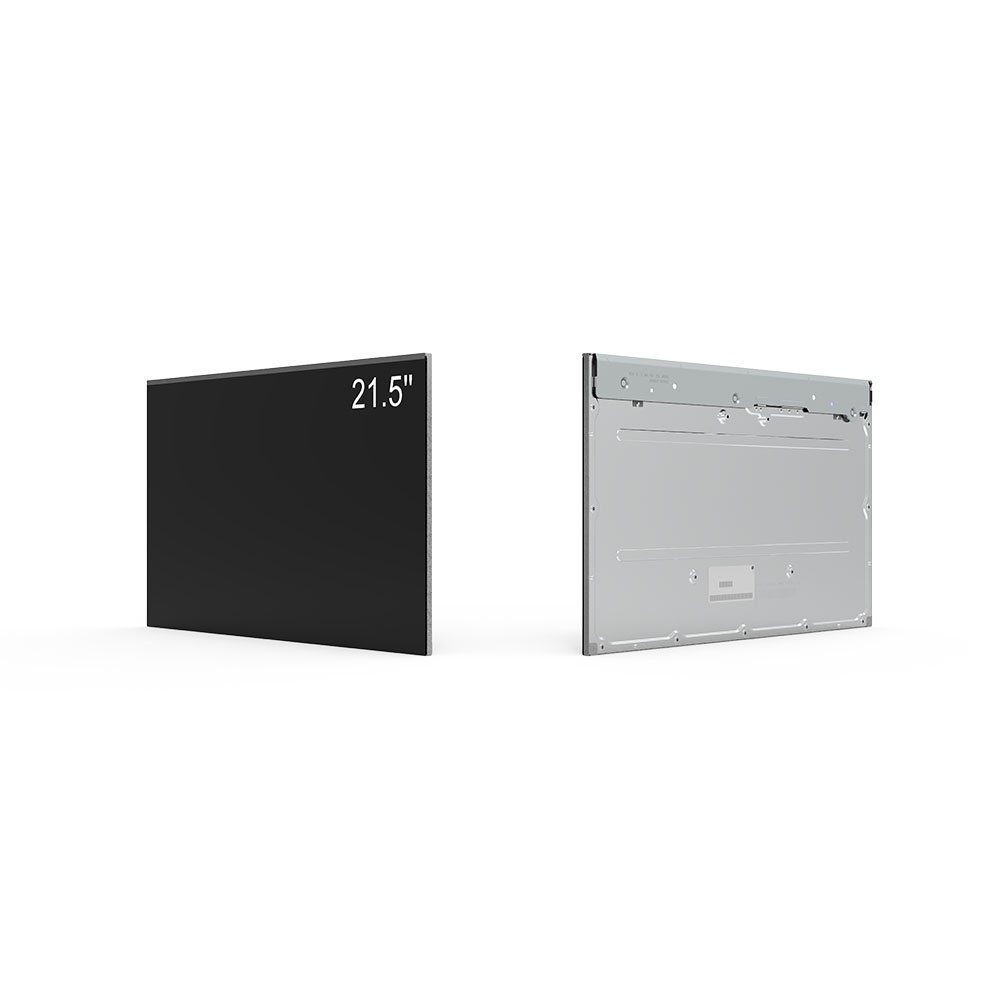
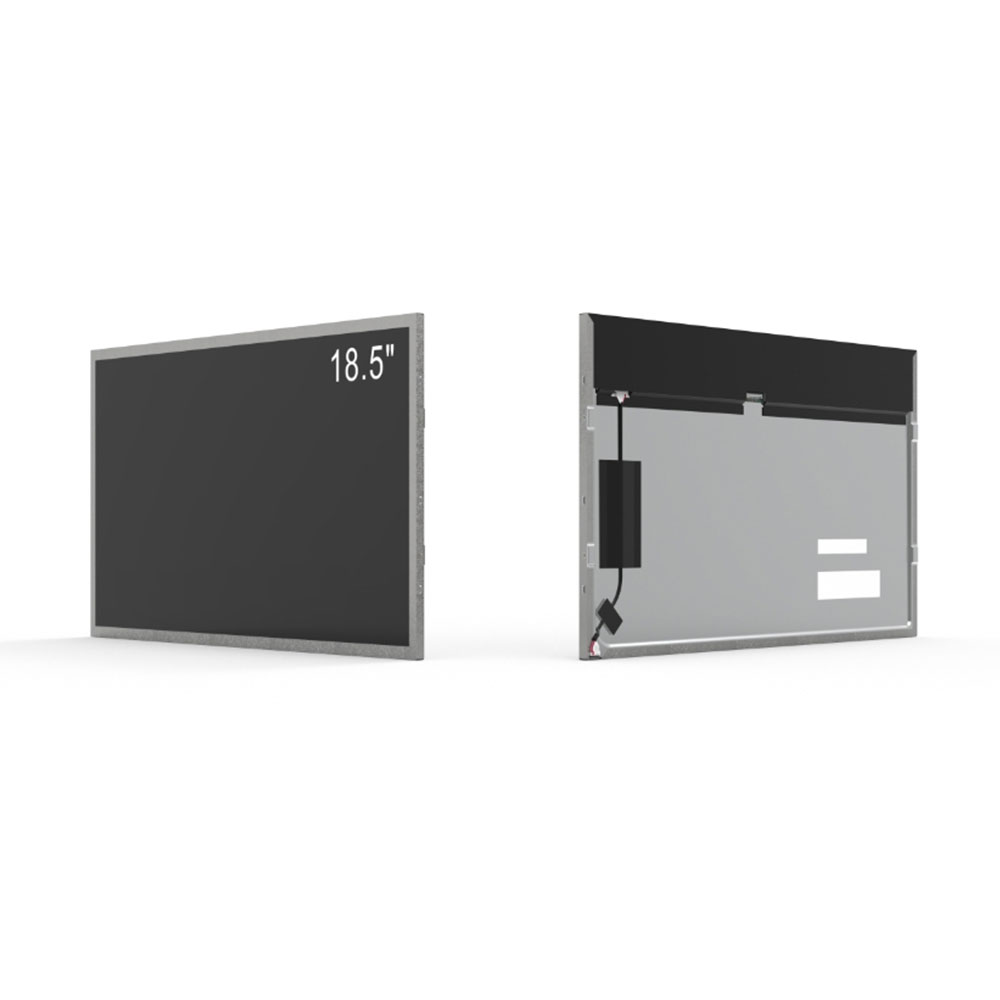
LCD technology has become a cornerstone of modern display systems, powering everything from smartphones and laptops to televisions and industrial monitors. Since its commercialization in the 1970s, liquid crystal displays have evolved significantly—not just in terms of visual clarity and power efficiency, but also in manufacturing scalability and application versatility. Today, LCDs dominate the global display market, especially in mid-to-high-end consumer electronics and professional-grade devices.
One of the key drivers behind this dominance is their energy efficiency. Unlike older CRT (cathode ray tube) displays, LCDs consume up to 50% less power while delivering sharper images and wider viewing angles—especially with the adoption of LED-backlit panels. For example, manufacturers like LG Display and Samsung Display have pioneered advanced IPS (In-Plane Switching) and VA (Vertical Alignment) technologies that enhance color accuracy and contrast ratios, making LCDs suitable for graphic design, medical imaging, and even automotive dashboards.
Another major advantage lies in cost-effectiveness. Due to mature production processes and high-volume manufacturing, LCD panels remain significantly cheaper than OLED or micro-LED alternatives, particularly for screen sizes above 32 inches. This makes them ideal for budget-conscious consumers and large-scale deployments such as digital signage, kiosks, and public information displays. According to a 2023 report by Grand View Research, the global LCD panel market was valued at over $40 billion, with strong growth projected through 2030 driven by demand in emerging markets and smart home integration.
Environmental considerations also favor LCDs. They contain no toxic heavy metals like lead or mercury (unlike CRTs), and many manufacturers now comply with RoHS (Restriction of Hazardous Substances) standards. Moreover, recycling programs for old LCD screens are increasingly common, helping reduce electronic waste. In addition, innovations like low-power AMOLED hybrids and flexible substrates point toward a future where LCDs continue to adapt rather than fade away.

Ultimately, LCDs are not just a legacy technology—they are a living, evolving platform. Their adaptability ensures they remain relevant across industries, from education and healthcare to retail and transportation. Whether you're choosing a monitor for work, a TV for entertainment, or a display for an industrial control system, understanding how LCD technology has matured can help make smarter, more sustainable choices.