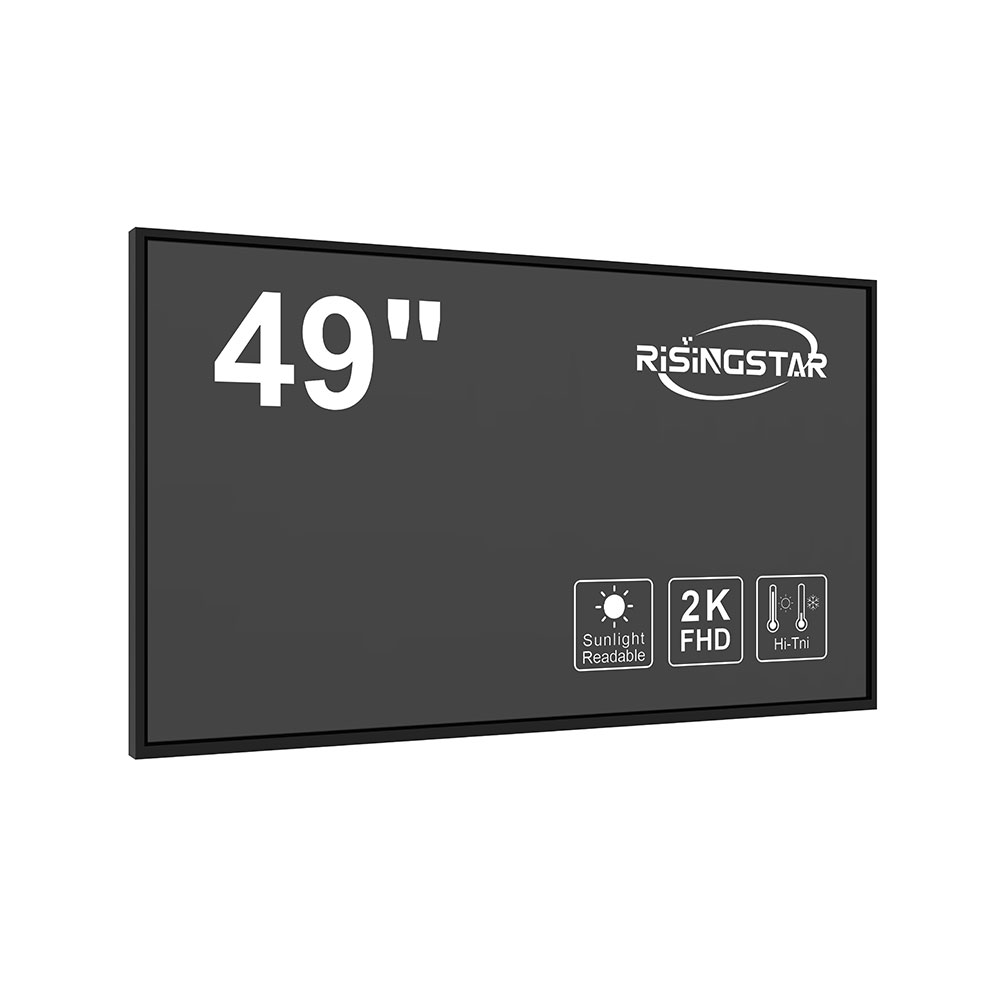
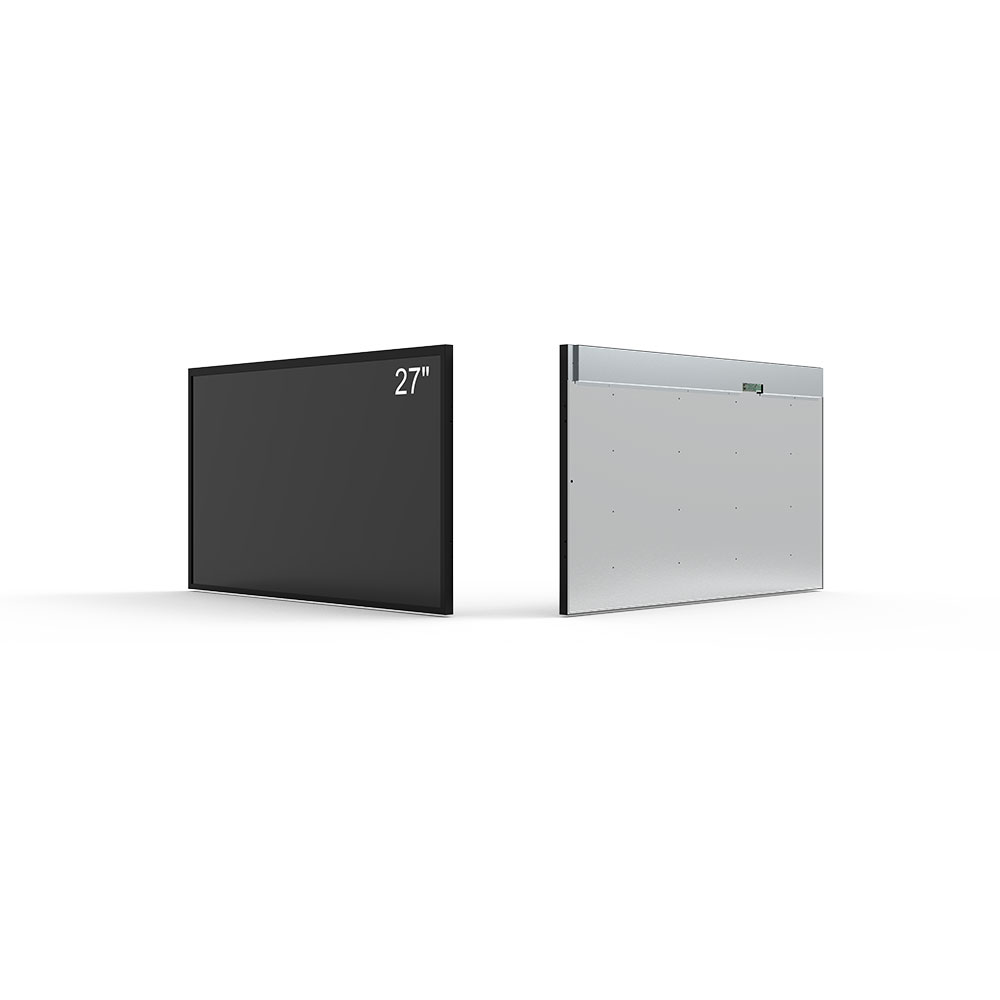
Selecting the appropriate LCD panel for industrial applications requires a thorough understanding of environmental conditions, operational demands, and long-term reliability. Unlike consumer-grade displays, industrial LCDs must function reliably in extreme temperatures, high humidity, or high vibration environments—such as manufacturing floors, outdoor kiosks, or automotive control systems. A key factor is brightness; industrial panels typically require at least 1000 nits to maintain visibility under direct sunlight, whereas standard consumer displays often provide only 300–500 nits.
Another critical consideration is the type of LCD technology. TN (Twisted Nematic) panels offer fast response times but limited viewing angles and color accuracy—making them suitable for simple status indicators. IPS (In-Plane Switching) panels deliver superior color reproduction and wide viewing angles, ideal for medical equipment or digital signage. VA (Vertical Alignment) panels provide higher contrast ratios, beneficial for applications like aviation dashboards or security monitoring.
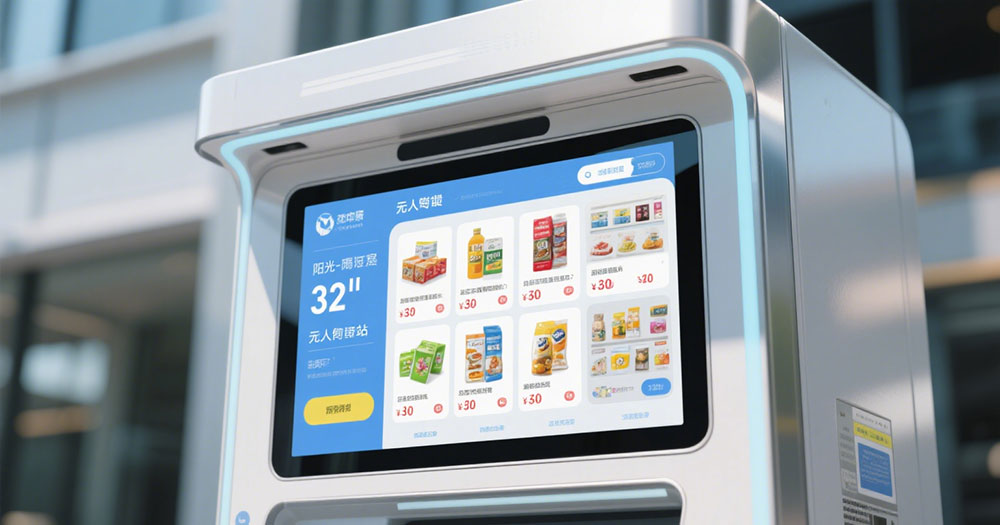
Environmental durability matters too. Industrial-grade panels should meet IP65 or higher ingress protection standards to resist dust and water. Additionally, they must be tested for extended temperature ranges—from -20°C to +70°C—using MIL-STD-810G certification protocols. These tests ensure performance consistency in harsh settings, such as oil rigs or cold chain logistics.
Power consumption and longevity are also essential metrics. High-brightness panels may consume more power, so energy efficiency must be balanced with display clarity. Moreover, manufacturers often specify a Mean Time Between Failures (MTBF) of over 50,000 hours for industrial use—far exceeding consumer-grade panels that average 20,000–30,000 hours.
Recent case studies from Siemens and Bosch highlight how choosing IPS panels with ruggedized housings improved uptime in factory automation systems by 40%. Meanwhile, LED-backlit LCDs outperformed CCFL counterparts in energy efficiency and lifespan, particularly in mobile field devices.
Ultimately, selecting an industrial LCD involves trade-offs between cost, performance, and resilience. By aligning technical specs with application-specific needs—such as brightness, viewing angle, and operating environment—engineers can ensure optimal system integration and reduce total cost of ownership over time.