In today’s rapidly evolving digital landscape, the demand for high-resolution displays continues to rise—especially in professional environments such as graphic design, video editing, medical imaging, and industrial control systems. Among the most sought-after options are 2K and 4K resolution LCD panels, which offer significantly improved clarity, color accuracy, and user productivity over standard HD or Full HD displays.
A 2K display typically refers to a resolution of 2560×1440 pixels (QHD), while a 4K display delivers 3840×2160 pixels (UHD), offering nearly four times the pixel density of Full HD. This increase in resolution means sharper text, more detailed imagery, and greater screen real estate—critical for multitasking and precision work. For instance, in a 4K monitor used by a video editor, every frame detail is preserved, reducing the need for zooming in during post-production. Similarly, in medical diagnostics, 4K LCDs enable radiologists to view higher-detail MRI and CT scans without loss of critical anatomical information.
Modern LCD manufacturing has advanced significantly, allowing for better backlight uniformity, faster response times (often under 5ms), and wider color gamuts (up to 99% sRGB or even DCI-P3). Many professional-grade 2K and 4K monitors now support HDR (High Dynamic Range) technology, enhancing contrast ratios and making visuals appear more lifelike. According to a 2023 report by Display Supply Chain Consultants (DSCC), global shipments of 4K LCD panels surpassed 50 million units annually, driven by both consumer and enterprise demand.
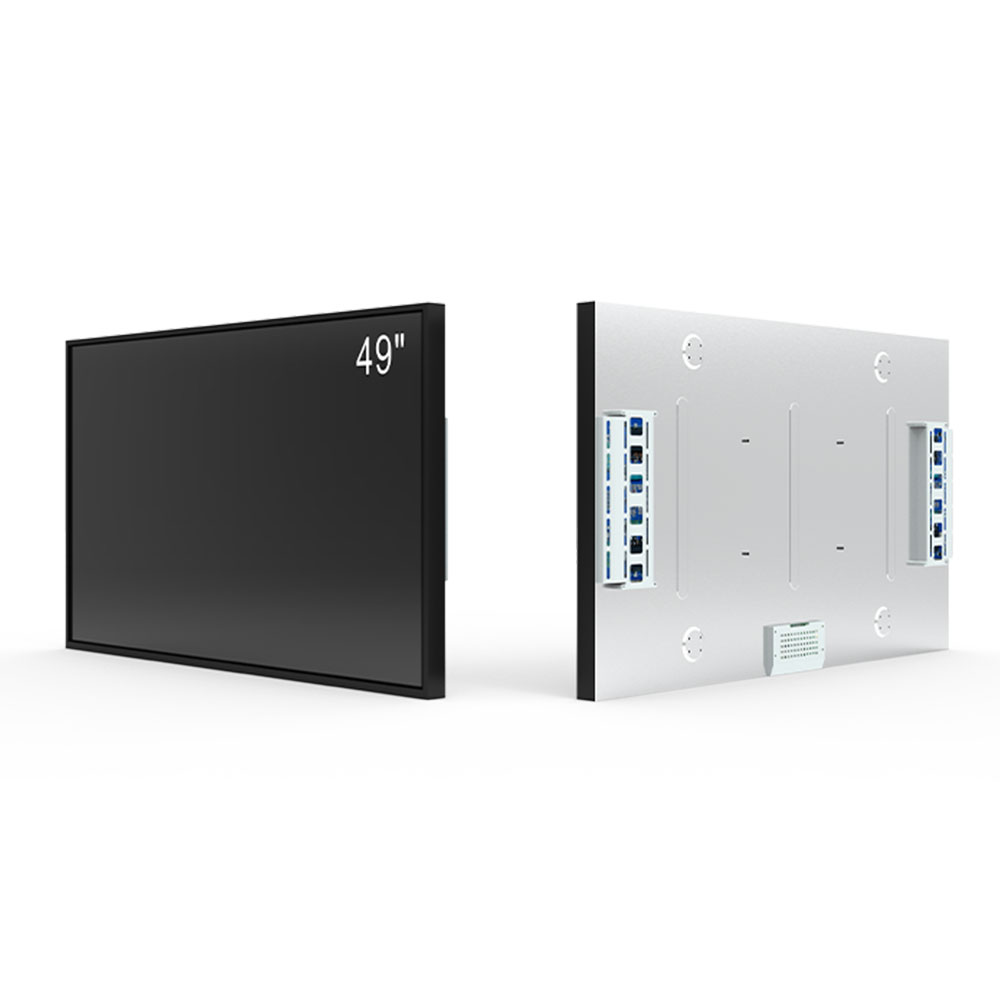
When selecting a 2K or 4K LCD display, consider factors like panel type (IPS for superior viewing angles and color consistency), refresh rate (60Hz to 144Hz depending on use case), and connectivity options (HDMI 2.0, DisplayPort 1.4). Brands like LG, Dell, ASUS, and BenQ have introduced models specifically engineered for professionals that integrate ergonomic designs, built-in calibration tools, and long-term stability under continuous operation.
For businesses investing in digital transformation, adopting 2K or 4K LCDs isn’t just about aesthetics—it’s a productivity multiplier. Whether it’s improving workflow efficiency in finance dashboards or enabling immersive virtual collaboration in remote teams, these displays represent a strategic upgrade. With ongoing advancements in LED backlighting and mini-LED technology, the future of high-resolution LCDs promises even brighter, more energy-efficient, and ultra-responsive screens for global users.