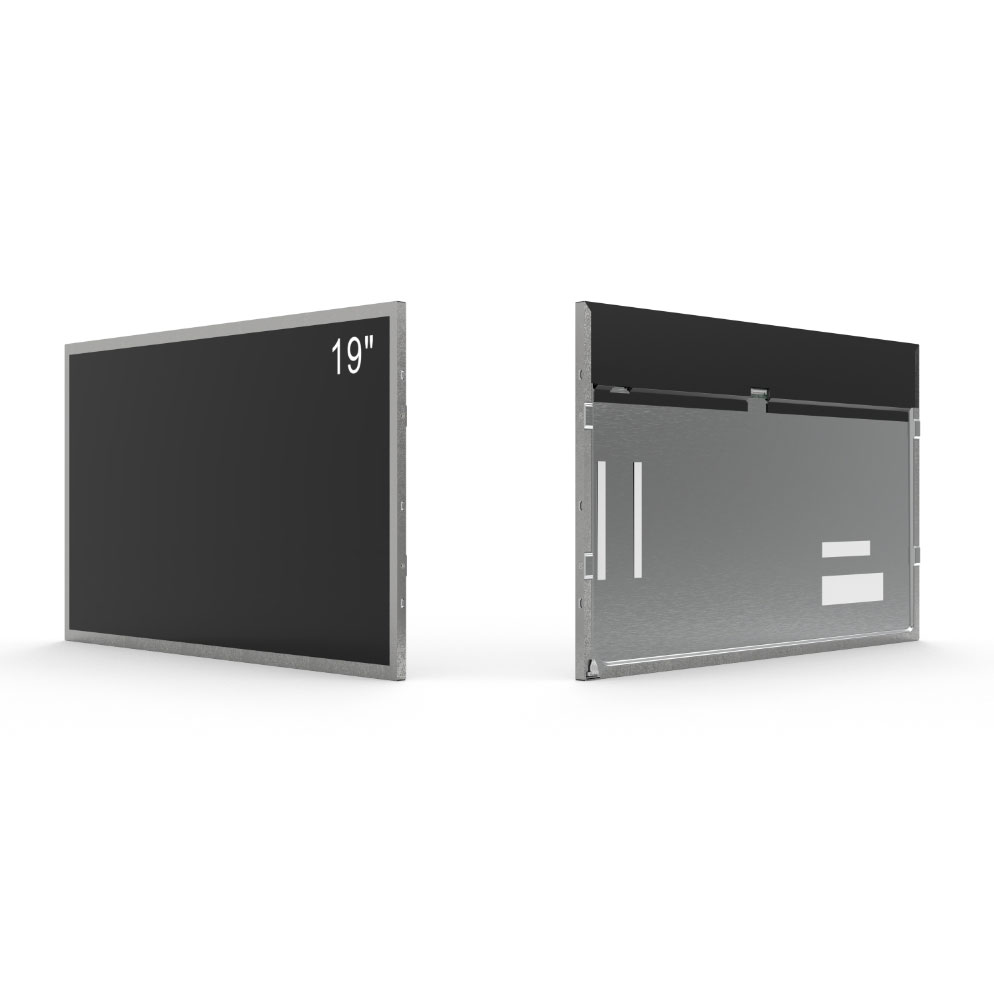
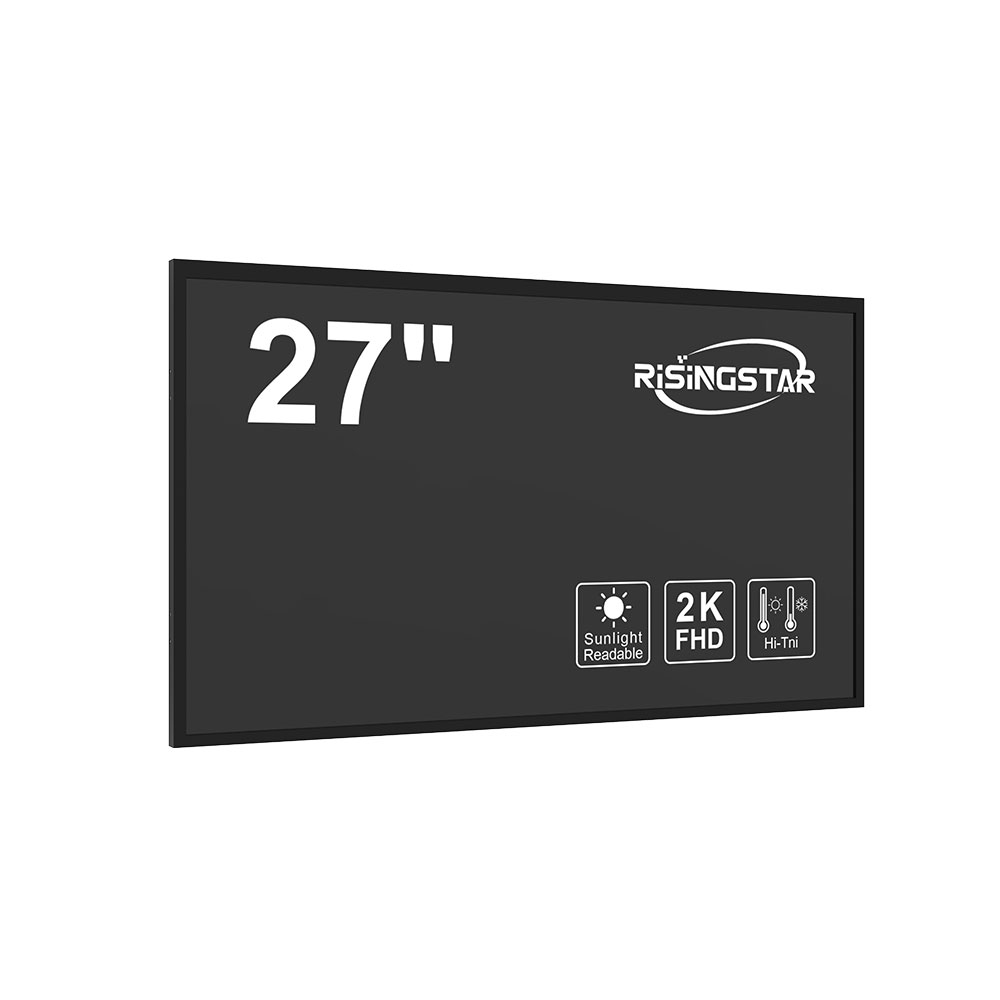
When selecting an LCD display for industrial applications, engineers and procurement specialists must go beyond basic specs like resolution and size. The decision directly impacts system reliability, maintenance costs, and operational uptime—especially in harsh environments such as manufacturing plants, oil rigs, or outdoor monitoring systems. This comprehensive guide outlines a structured approach to choosing the right LCD panel based on technical requirements, environmental conditions, and long-term performance goals.
Start by identifying the application’s core use case: Is it for control panels, machine status monitoring, human-machine interfaces (HMIs), or data visualization? Each has unique demands. For instance, HMI displays often require high brightness (>3000 nits) and touch sensitivity for glove use, while control panels may prioritize durability over pixel density. According to a 2023 report by IHS Markit, over 65% of industrial LCD failures stem from improper environmental selection rather than component quality alone.
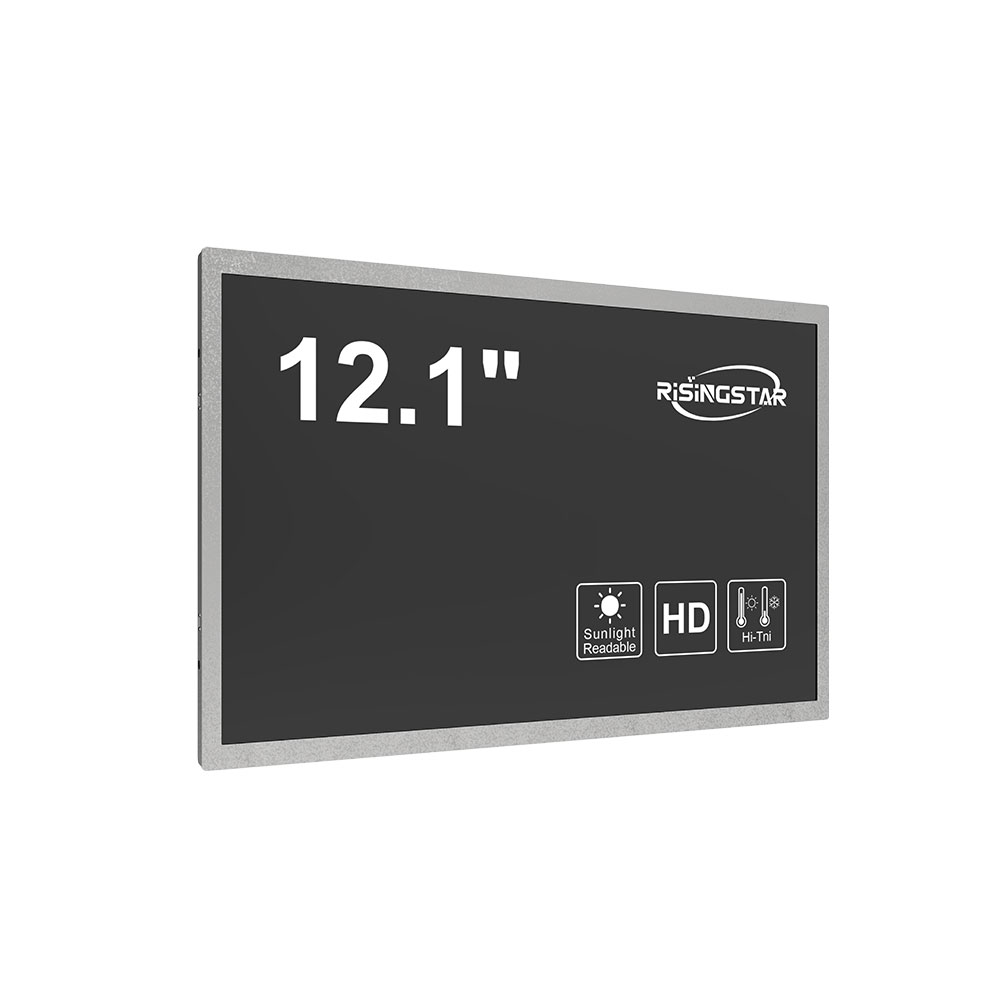
Next, evaluate key technical parameters. Brightness is critical—industrial displays typically need 1500–5000 nits to remain visible under direct sunlight. Contrast ratio should be at least 1000:1 for clear text readability. Panel type matters too: IPS panels offer superior color accuracy and wide viewing angles, making them ideal for operator stations; TN panels are cheaper but limited in angle and color depth. A study published in the Journal of Display Technology (2022) found that IPS-based industrial displays showed 40% fewer user-reported visibility issues compared to TN equivalents in field trials.
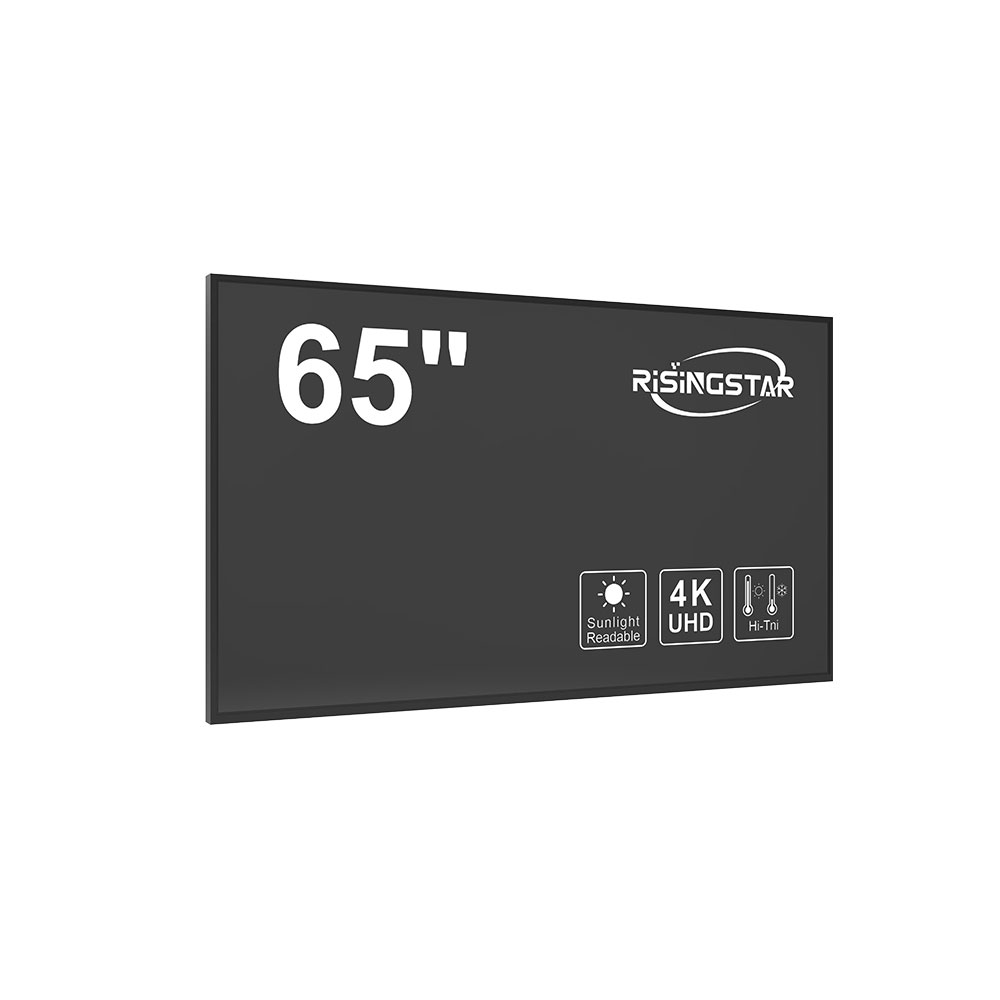
Environmental resilience is non-negotiable. Look for Ingress Protection (IP) ratings—IP65 for dust resistance and water spray protection, IP68 for full submersion. Temperature ranges vary: standard commercial-grade panels operate between 0°C to 50°C, while industrial-grade units can withstand –30°C to 70°C. Use cases like mining equipment or outdoor solar inverters demand extended temperature tolerance. Also consider shock and vibration resistance; MIL-STD-810G certification ensures robustness against mechanical stress.
Power efficiency is another overlooked factor. High-brightness displays consume more power, which affects battery life in portable devices or increases cooling needs in enclosed systems. Energy Star-certified modules reduce long-term operational costs—a key consideration for facilities aiming for ISO 50001 compliance.
Finally, assess supply chain stability and lifecycle support. Avoid niche suppliers offering low-cost options without guaranteed 10-year part availability. Renowned brands like LG Display, Sharp, and AU Optronics provide multi-year warranties and obsolescence management tools. As per a 2024 survey by Supply Chain Dive, companies using certified industrial LCDs experienced 35% fewer unplanned downtime events related to display failures.
In summary, successful industrial LCD selection requires balancing performance, durability, and total cost of ownership—not just upfront price. By aligning specifications with real-world operating conditions and future-proofing against obsolescence, organizations can ensure both operational continuity and return on investment.
For example, a food processing plant installing new HMIs might choose a 15.6-inch IPS display with 3000 nits brightness, IP65 rating, and touchscreen compatibility for wet environments. Meanwhile, a remote weather station could opt for a ruggedized 7-inch monochrome LCD with extended temperature range (-40°C to 85°C) and low power consumption to maximize battery life. These tailored choices reflect the importance of context-driven engineering—not one-size-fits-all solutions.
The rise of Industry 4.0 further emphasizes the role of advanced displays in predictive maintenance and real-time analytics. Smart LCDs integrated with edge computing capabilities now allow for dynamic content updates and diagnostics—features that enhance not only usability but also asset management. In this evolving landscape, informed selection today leads to smarter automation tomorrow.
As manufacturers increasingly adopt digital twins and AI-driven monitoring, the choice of display becomes a strategic asset—not just a peripheral component. Whether deploying in automotive assembly lines or offshore wind turbines, understanding these fundamentals ensures your industrial system remains resilient, efficient, and scalable across decades of operation.