When selecting an LCD display for professional, gaming, or home entertainment purposes, one of the most critical factors to consider is resolution. With modern technology offering both 2K and 4K resolution options, consumers and businesses alike must evaluate their specific use cases to make an informed decision.
2K resolution, often referred to as QHD (2560×1440), provides a significant upgrade from standard 1080p Full HD. It delivers sharper images, more screen real estate for multitasking, and is ideal for productivity-focused environments such as graphic design, video editing, and office work. In gaming, 2K offers a noticeable improvement in clarity over 1080p while remaining more accessible for hardware compatibility—especially when paired with mid-range GPUs like NVIDIA RTX 3060 or AMD RX 6600. Industry benchmarks from DisplayMate and UL Benchmark confirm that 2K displays offer optimal balance between performance and visual fidelity for most users.
On the other hand, 4K resolution (3840×2160) represents the gold standard for ultra-high-definition content. With four times the pixel density of 1080p, 4K enables breathtaking detail in movies, photography, and high-end gaming. For professionals working in film post-production, medical imaging, or architectural visualization, 4K ensures precision and realism. However, it demands robust hardware—typically requiring at least an NVIDIA RTX 3070 or AMD RX 6700 XT—to maintain smooth frame rates. According to a 2023 report by Statista, 4K adoption has grown steadily, particularly in commercial settings like digital signage and retail displays, where image quality directly impacts consumer engagement.
It’s also important to consider screen size and viewing distance. A 27-inch monitor at 2K resolution typically offers an ideal pixel density (~109 PPI) for comfortable viewing at a typical desk distance (50–70 cm). For 4K on the same screen, this increases to ~160 PPI, which can be overkill unless you’re sitting very close. Conversely, on larger screens (32 inches and above), 4K becomes essential to avoid pixelation.
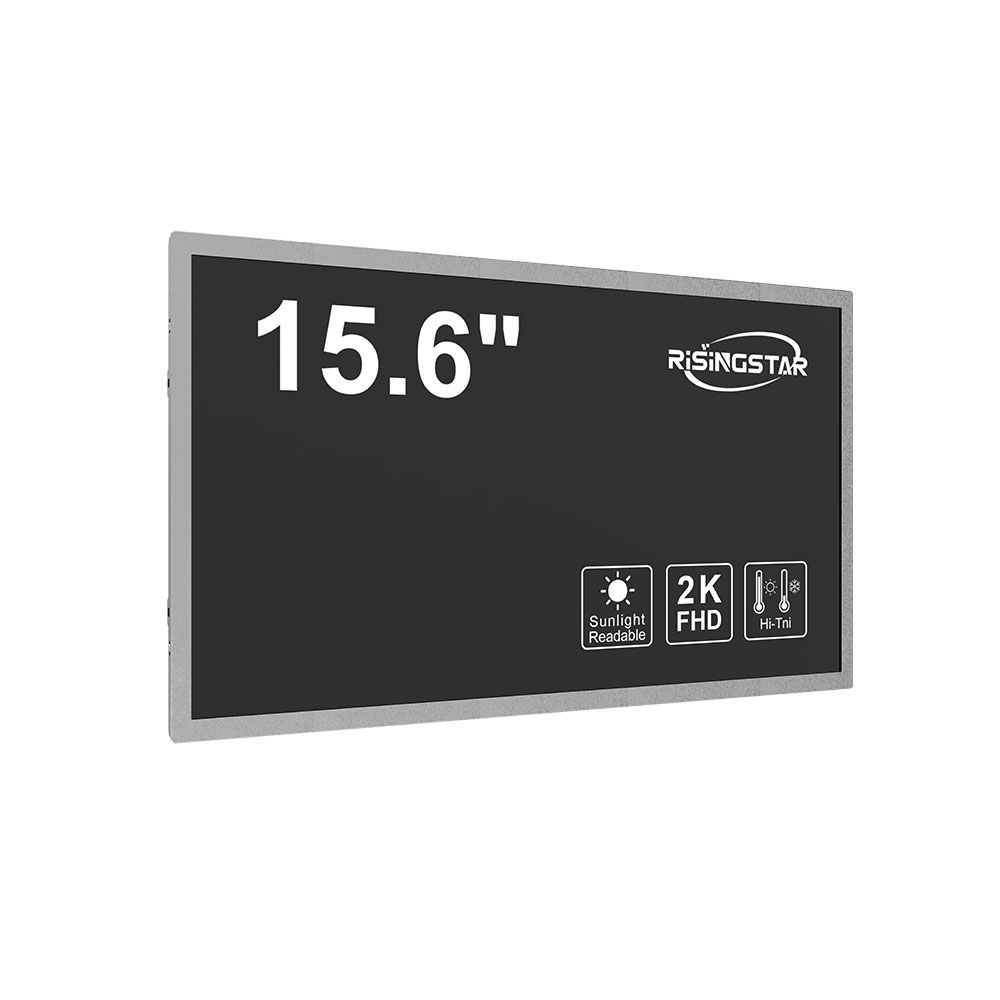
In summary, 2K resolution remains a practical choice for everyday computing, creative workflows, and budget-conscious gamers, while 4K is best suited for immersive media consumption, high-precision tasks, and future-proofing your setup. Understanding your needs—whether it's productivity, performance, or visual impact—is key to choosing the right LCD resolution.