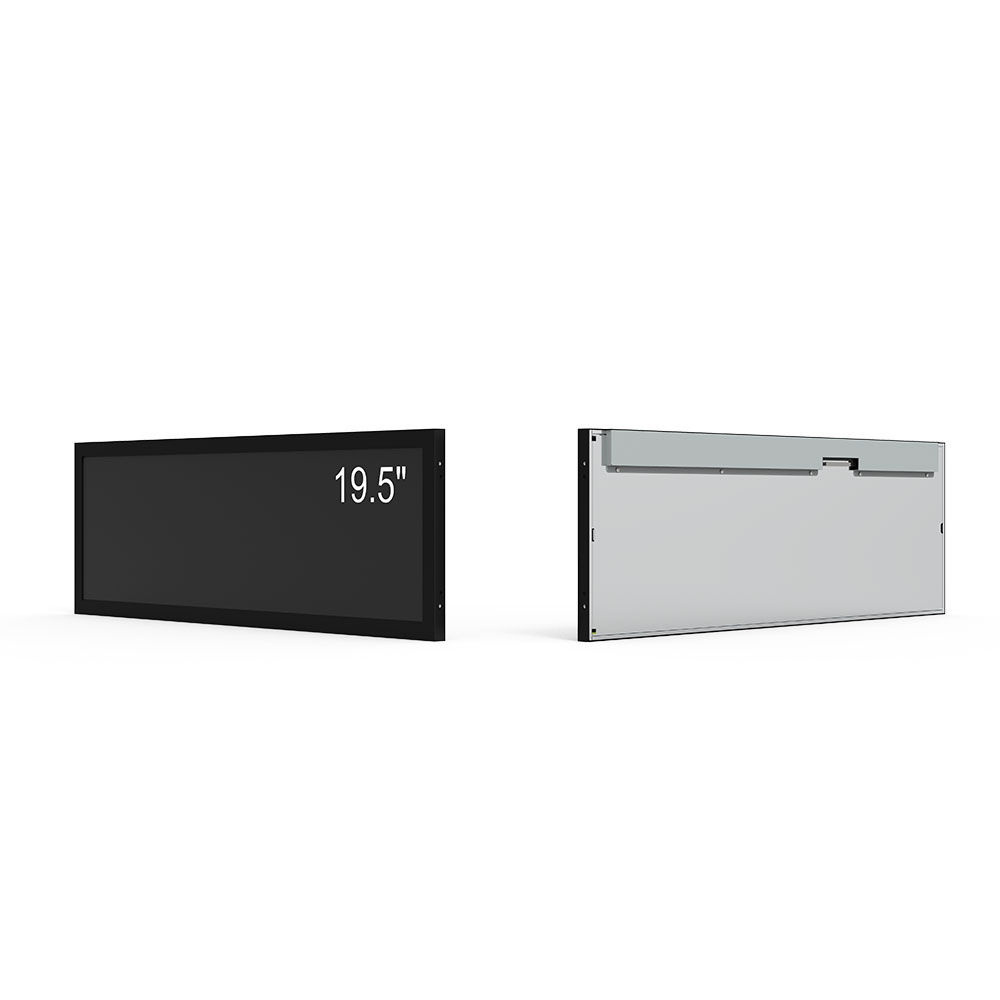
When selecting an LCD panel for industrial applications, it's essential to consider several technical and environmental factors that directly impact performance, longevity, and reliability. Unlike consumer-grade displays, industrial LCDs must operate in harsh environments—ranging from extreme temperatures to high vibration levels—and support 24/7 operation without failure.
First, evaluate the panel’s brightness and contrast ratio. For outdoor or high-ambient-light environments, a brightness level of at least 1000 nits is recommended. Panels with high dynamic range (HDR) and wide viewing angles (such as IPS or VA types) are ideal for multi-user interfaces or control rooms. According to the IPC-610 standard, industrial-grade LCDs should meet stringent quality criteria, including consistent color accuracy and minimal pixel defects.
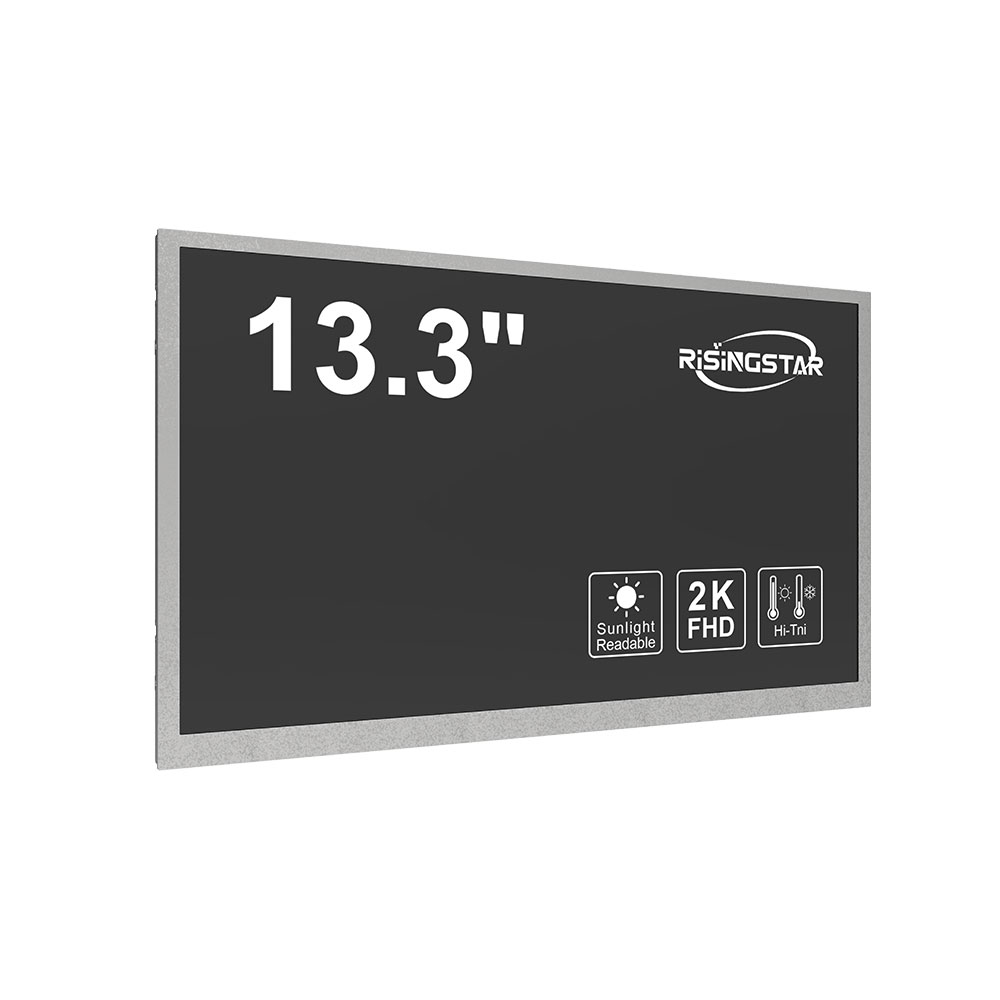
Second, assess environmental durability. Look for panels rated IP65 or higher for dust and water resistance, especially if used in manufacturing plants or field equipment. Temperature tolerance is equally critical—industrial panels should function reliably between -30°C and +70°C. A study by the IEEE on embedded display systems confirms that thermal cycling tests (per IEC 60068-2-14) significantly influence long-term reliability.

Third, consider lifespan and maintenance. Industrial panels often use LED backlights with a Mean Time Between Failures (MTBF) of over 50,000 hours. OLEDs, while offering superior contrast, may not be suitable for long-duration industrial use due to potential burn-in. Instead, choose TN or IPS panels with extended service life.
Finally, verify compatibility with your system. Ensure the interface (LVDS, MIPI, or eDP) matches your embedded processor or FPGA design. Real-world case studies from companies like Siemens and Rockwell Automation show that standardized connectors reduce integration time and increase system uptime.
By prioritizing brightness, environmental resilience, lifespan, and interface compatibility, engineers can select an LCD panel that delivers both performance and cost-efficiency across demanding industrial settings.