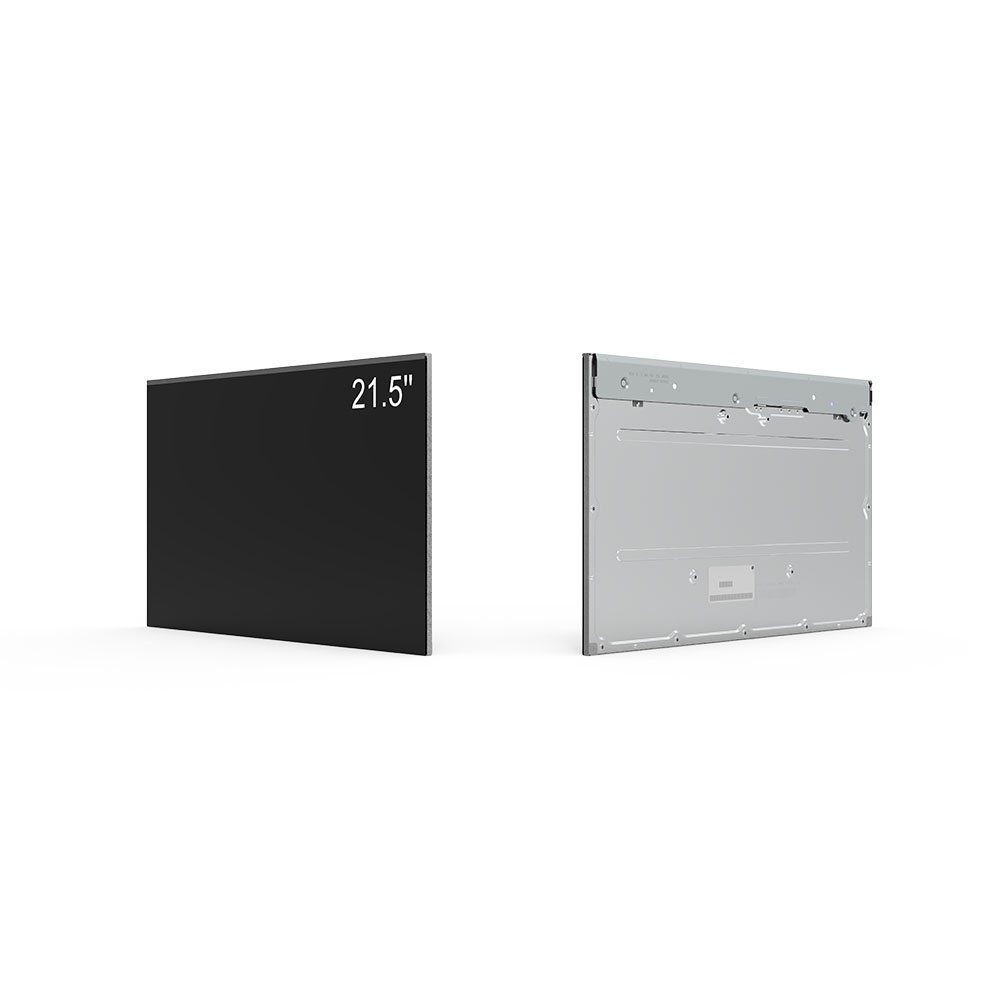
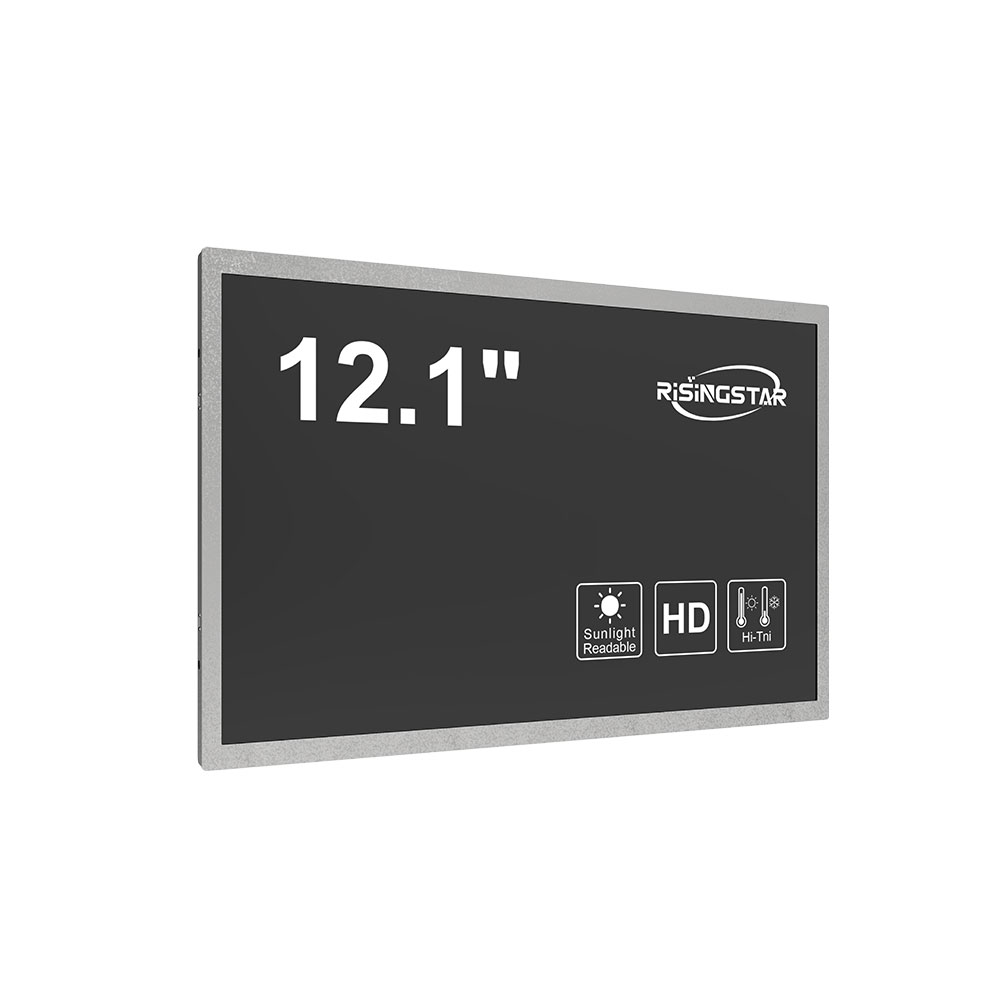
When selecting an LCD panel for industrial applications—such as medical devices, automation systems, or outdoor equipment—manufacturers and distributors must prioritize performance, reliability, and environmental resilience over consumer-grade specifications. Unlike standard displays used in smartphones or TVs, industrial LCD panels are subjected to extreme temperatures, vibrations, prolonged usage, and harsh lighting conditions. Therefore, a thorough understanding of key technical parameters is essential.
First, consider brightness levels. Industrial environments often require luminance between 1000 to 3000 nits to ensure visibility under direct sunlight or high ambient light. For example, the Sharp LT-150M64B panel delivers 2500 nits of brightness, making it ideal for outdoor kiosks or military-grade displays. Second, contrast ratio matters significantly—especially in medical imaging where image clarity impacts diagnostic accuracy. A minimum static contrast ratio of 1000:1 is recommended; higher ratios (e.g., 3000:1) provide better depth perception.
Thermal stability is another critical factor. Industrial-grade LCDs should operate reliably from -20°C to +70°C, per IEC 60068-2 standards. Panels like LG’s LP156WF4-LSB1 use advanced thermal compensation circuits to prevent pixel degradation in extreme climates. Additionally, mechanical durability must be evaluated through vibration resistance (typically tested at 5–10 G, per MIL-STD-810G) and shock resistance. These features are crucial for manufacturing floor equipment exposed to heavy machinery vibrations.
Power efficiency also influences long-term operational costs. Low-power panels such as Samsung’s SMT097TQ1A00 reduce energy consumption by up to 30% compared to older models, which translates into lower heat output and extended lifespan. Moreover, compatibility with existing control systems—whether via LVDS, eDP, or MIPI interfaces—is vital for seamless integration into legacy infrastructure.
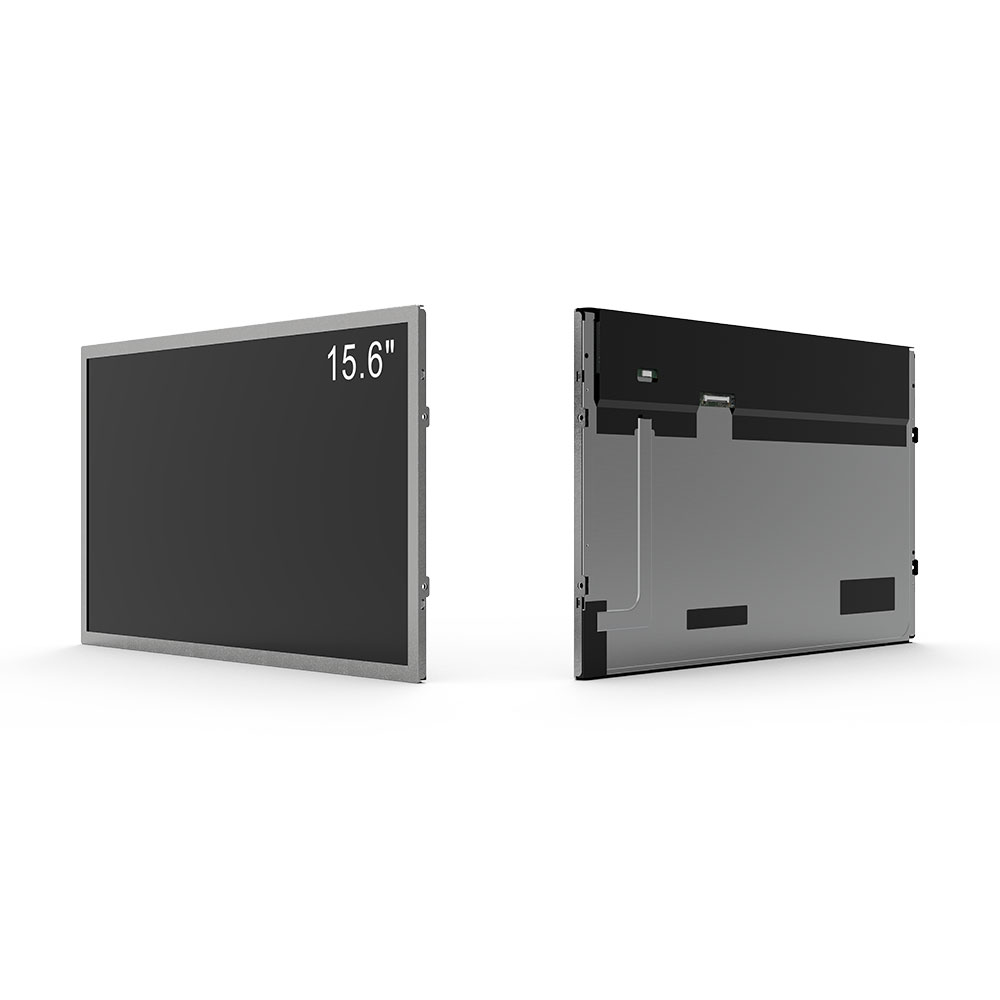
Finally, certifications matter. Look for panels that meet CE, FCC, RoHS, and ISO 13485 standards, especially if targeting regulated industries like healthcare or aerospace. Real-world case studies, such as the deployment of Innolux’s IL070F1LH14 in automated warehouse systems, show how robust industrial panels improve uptime by 40% compared to consumer-grade alternatives.
By focusing on these core criteria—brightness, contrast, temperature tolerance, mechanical durability, power efficiency, and compliance—overseas manufacturers and distributors can confidently choose LCD panels that enhance product quality, reduce maintenance, and accelerate time-to-market.