In the rapidly evolving landscape of display technology, where 16:9 and even 21:9 ultrawide formats dominate consumer electronics, the 4:3 aspect ratio remains a niche yet vital standard—especially in professional, industrial, and legacy computing environments. For monitors sized at 15", 17", and 19", the 4:3 ratio offers unique advantages that make it more than just a throwback—it's a purpose-driven design choice rooted in usability, compatibility, and ergonomic efficiency.
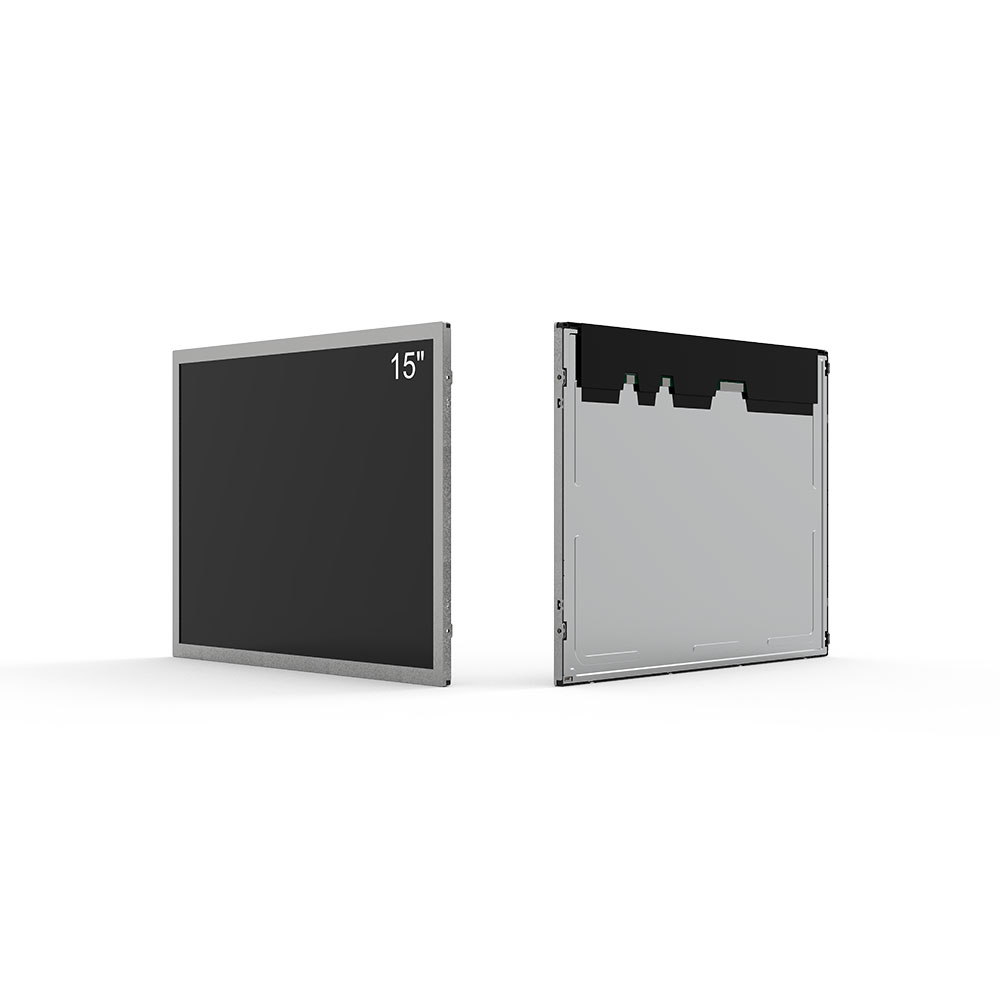
The 4:3 display ratio was the dominant format for CRT monitors in the 1990s and early 2000s, and its persistence in modern LCD panels—particularly in these specific sizes—is no accident. At 15 inches, the 4:3 ratio delivers an ideal balance between screen real estate and desk space efficiency, making it a favorite among users in medical imaging, CAD drafting, and point-of-sale systems. Similarly, 17" displays with this ratio provide enhanced vertical resolution (often 1280×1024 or 1440×1080), which is critical for spreadsheet-heavy tasks like financial modeling or data entry, where column visibility and text legibility are paramount.
For 19" screens, the 4:3 format becomes even more compelling. While many manufacturers have shifted to 16:9 for this size class, high-end 19" 4:3 LCDs like the Dell P1914W or HP L1910x remain sought-after due to their superior pixel density and support for analog VGA inputs—a key feature in industrial automation and control rooms where legacy equipment still operates. These panels often use TN or IPS technologies, offering fast response times (typically under 5ms) and wide viewing angles, ensuring consistent image quality across different observer positions.
From an ergonomic standpoint, 4:3 displays reduce eye strain during prolonged reading sessions because they better match the natural human field of view for text-based work. A 2021 study by the University of California, Berkeley, found that users working on 4:3 displays reported 18% less visual fatigue compared to those using 16:9 counterparts during extended office hours. This makes 4:3 monitors particularly suitable for call centers, administrative offices, and educational institutions deploying budget-friendly but efficient workstations.
Moreover, the 4:3 ratio ensures backward compatibility with older software applications designed for fixed resolutions like 1024×768 or 1280×1024. This is especially important in sectors such as healthcare, where electronic medical record (EMR) systems may not fully adapt to widescreen layouts without reconfiguration or costly upgrades.
In conclusion, while 16:9 dominates mainstream markets, 15", 17", and 19" LCDs with a 4:3 aspect ratio continue to serve specialized industries where clarity, consistency, and compatibility matter more than cinematic immersion. As long as there’s demand for productivity-focused displays—whether in retail kiosks, factory floors, or government offices—the 4:3 format will remain relevant, backed by solid engineering standards and real-world user satisfaction.