When selecting an LCD panel for industrial applications, it's essential to consider several technical and environmental factors that directly impact performance, longevity, and reliability. Unlike consumer-grade displays, industrial LCDs must operate in harsh environments—ranging from extreme temperatures to high vibration levels—and often require 24/7 operation without failure.
First, evaluate the display’s brightness and contrast ratio. For outdoor or high-ambient-light environments, a brightness level of at least 1000 nits is recommended. Panels with high dynamic range (HDR) and wide viewing angles (such as IPS or VA types) are ideal for complex visual tasks like machine monitoring or data visualization. According to a 2023 study by Display Supply Chain Consultants (DSCC), IPS panels dominate the industrial segment due to their superior color accuracy and consistent performance across angles.
Next, assess the panel’s operating temperature range. Industrial applications often involve temperatures from -20°C to +70°C. Look for panels certified under MIL-STD-810G or IEC 60068 standards, which ensure durability under thermal stress. For example, the LG LP156WX4-TP1 panel used in medical imaging devices is rated for -30°C to +70°C, making it suitable for cold storage logistics systems.
Durability and ruggedness are also critical. Consider features like anti-glare coatings, reinforced glass, and IP65 or higher dust/water resistance ratings. These are especially important in manufacturing, transportation, and oil & gas sectors where exposure to particulates and moisture is common. A case study from Siemens’ factory automation systems showed a 60% reduction in screen failures after switching to Gorilla Glass 5-equipped industrial panels.
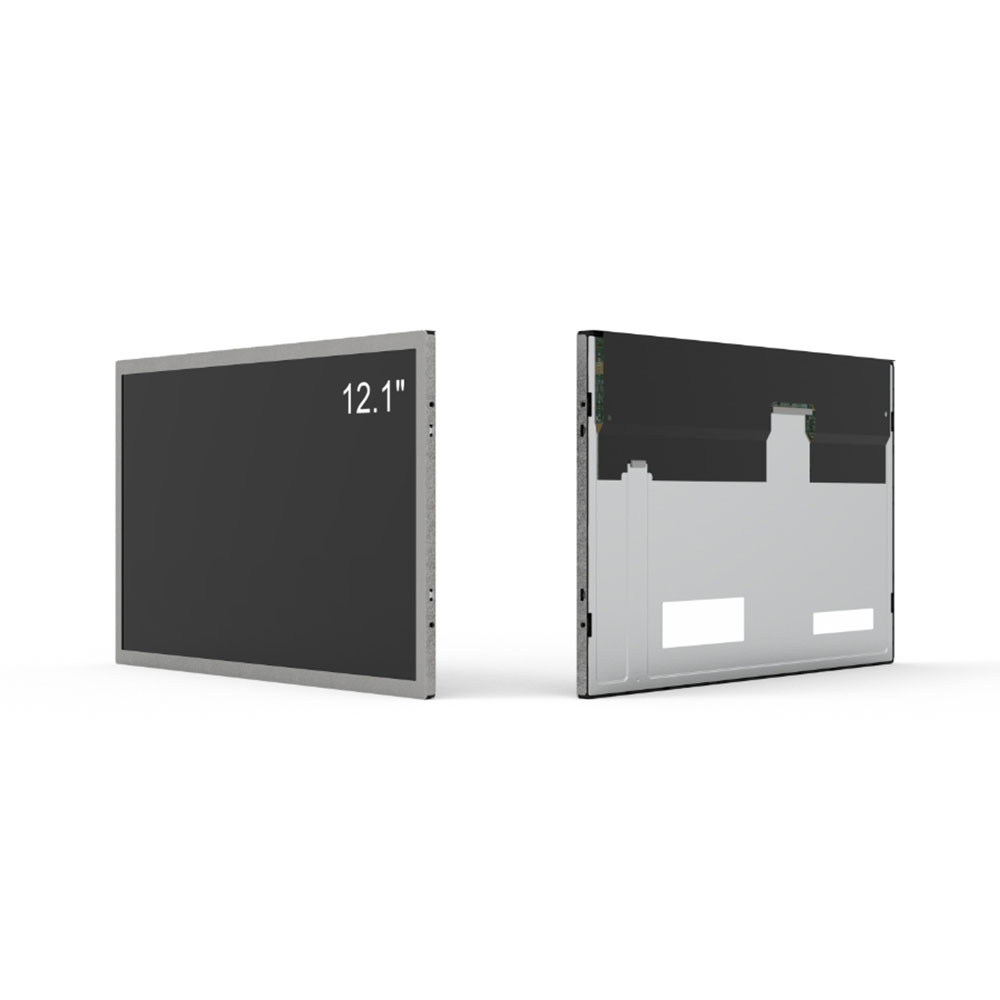
Connectivity and interface compatibility should not be overlooked. Industrial LCDs often need to integrate with legacy systems via LVDS, HDMI, or DisplayPort inputs. Ensure your chosen panel supports the required signal types and has programmable control interfaces such as I2C or GPIO for customization.
Finally, consider long-term availability and support. The industrial sector prioritizes supply chain stability; thus, choose vendors offering multi-year production commitments and robust technical support. Companies like Sharp, LG, and Innolux provide extended lifecycle management programs, ensuring parts remain available for up to 10 years post-launch.
In conclusion, choosing the right LCD panel involves balancing brightness, environmental resilience, durability, connectivity, and vendor support. By aligning these criteria with specific use cases—from automotive dashboards to mining equipment—you can significantly improve system uptime and reduce total cost of ownership.