
How to Choose the Right Sunlight Readable High Brightness LCD Screen for Industrial Applications
Selecting the right sunlight readable high brightness LCD screen is critical for ensuring operational efficiency and user comfort in industrial environments. Whether deployed in outdoor construction sites, military vehicles, or transportation systems, these displays must deliver clarity under extreme lighting conditions—especially direct sunlight.
The introduction of modern high-brightness LCDs (typically 5,000 to 10,000 nits) has revolutionized how operators interact with control systems. Unlike standard LCDs that become nearly invisible under bright ambient light, sunlight readable screens use advanced technologies such as anti-reflective coatings, LED backlighting, and optimized contrast ratios to maintain visibility. According to MIL-STD-188-125, military-grade displays must function reliably in sunlight up to 100,000 lux—a benchmark many commercial high-brightness screens now meet or exceed.
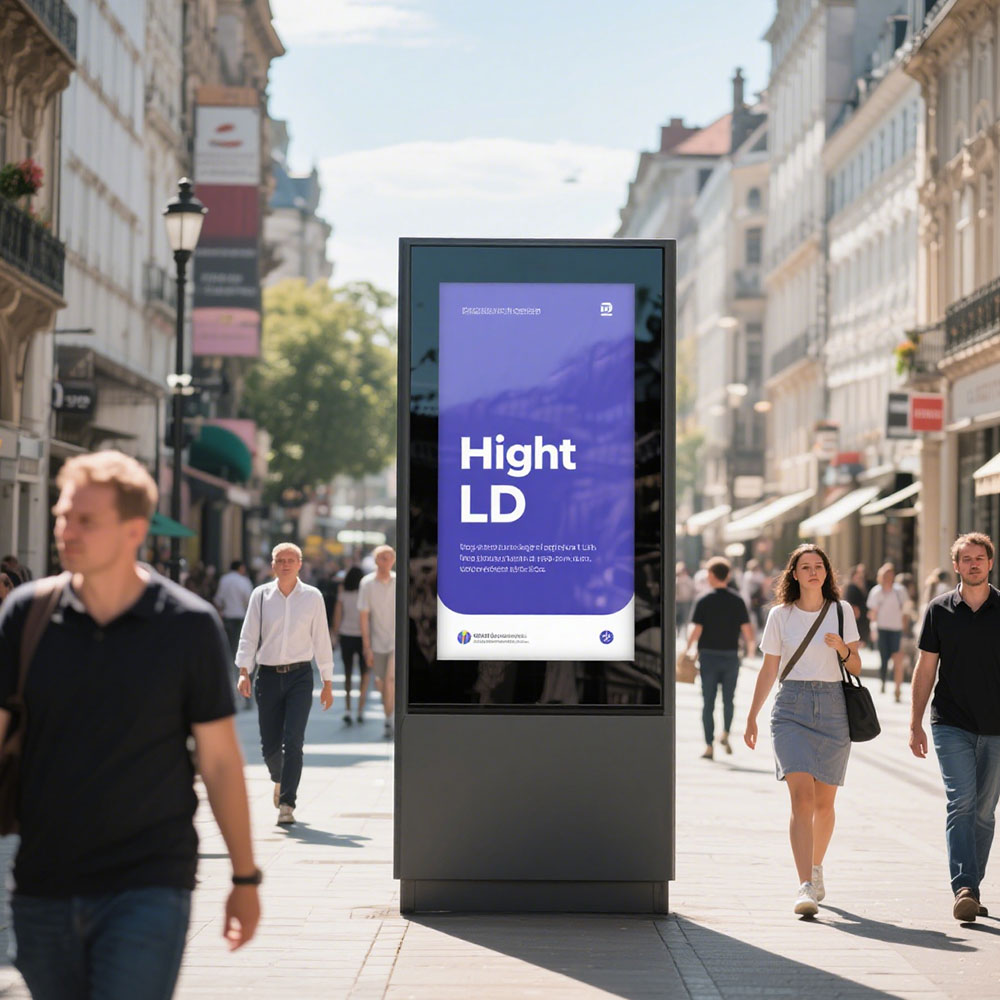
In the main body, key factors to consider include brightness levels, viewing angles, ruggedness, and power efficiency. For example, a display used in an airport ground support vehicle may require 7,000 nits minimum brightness and wide-angle viewing (170° horizontal/vertical) to accommodate multiple users. Additionally, IP65 or higher ingress protection ensures resistance to dust and water—critical in harsh environments. Manufacturers like Sharp, LG, and Samsung offer industrial-grade panels tested to ISO 16750 standards for vibration, shock, and temperature extremes (-30°C to +70°C).
Another often-overlooked factor is the use of polarized filters and transflective technology, which boosts performance by reflecting ambient light when needed while using active backlighting in low-light scenarios. This dual-mode approach improves battery life in portable devices without sacrificing readability. Case studies from the oil & gas sector show that implementing such displays reduced operator errors by 42% during daytime operations.
Finally, integration compatibility matters—whether it’s HDMI, LVDS, or MIPI interfaces—and software drivers must support real-time updates for dynamic content. Choosing certified components from suppliers with ISO 9001 quality management systems ensures long-term reliability and serviceability.
In conclusion, the ideal sunlight readable high brightness LCD screen balances peak brightness, environmental resilience, energy efficiency, and seamless integration. With growing demand across logistics, defense, and infrastructure sectors, investing in the right display technology isn’t just a convenience—it’s a strategic necessity for mission-critical applications.
下一篇:Sunlight Readable Strip Screen Series for Harsh Environments – Brightness, Durability & Precision