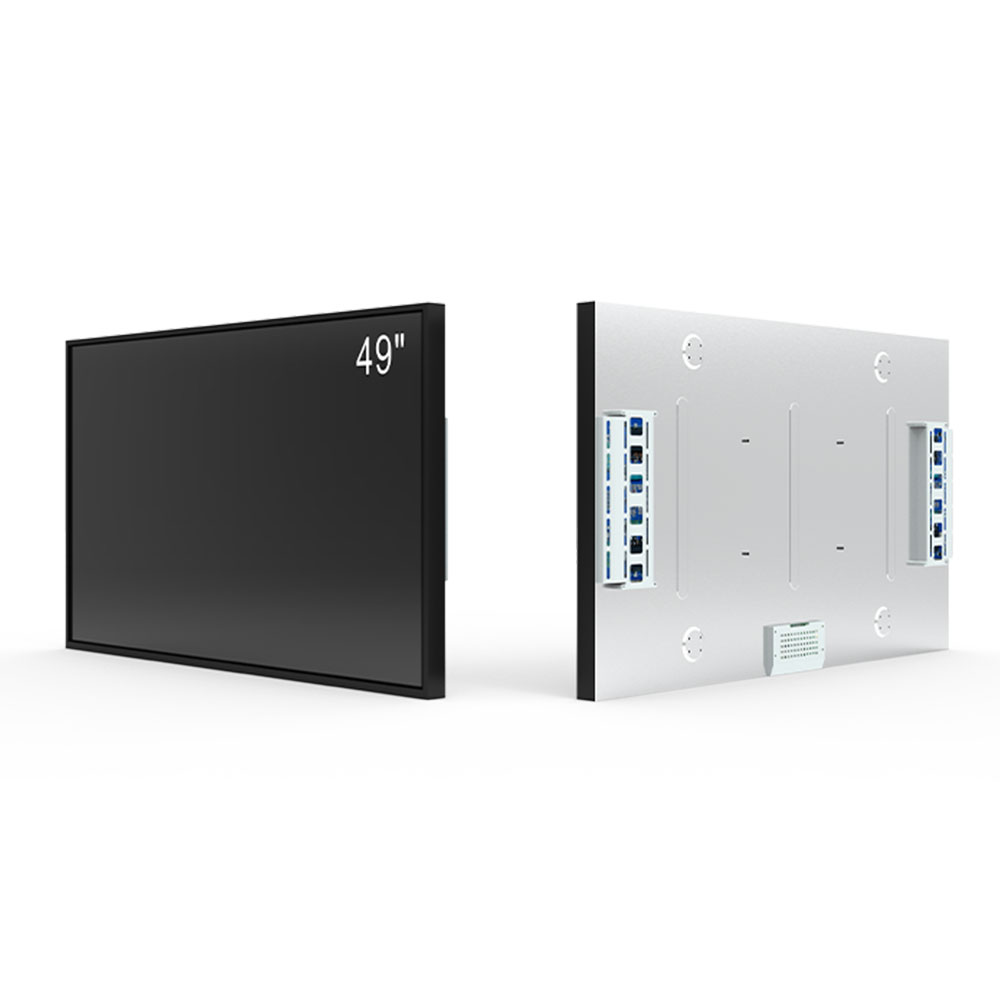
How to Choose the Right LCD Panel for Your Industrial Application
Selecting the appropriate LCD panel for industrial applications demands careful evaluation of several technical and environmental factors. Unlike consumer-grade displays, industrial LCDs must endure harsh conditions such as extreme temperatures, vibration, humidity, and prolonged operational hours. The first step is determining the required brightness level—industrial panels typically range from 1000 to 5000 nits to ensure visibility in direct sunlight or high-ambient lighting environments. For example, outdoor kiosks or military equipment often require 3000+ nits for optimal clarity.
Next, consider the panel technology: TN (Twisted Nematic), IPS (In-Plane Switching), or VA (Vertical Alignment). IPS panels offer superior color accuracy and wide viewing angles, making them ideal for control panels and medical devices. TN panels are cost-effective but limited in viewing angles and color reproduction—suitable for simple status indicators. VA panels provide higher contrast ratios but may suffer from slower response times; they’re best for static displays like digital signage.

Environmental durability is critical. Look for IP65 or higher ratings for dust and water resistance, especially in manufacturing or food processing settings. Thermal performance matters too—industrial panels should function reliably between -20°C and +70°C without degradation. Certifications such as CE, FCC, and RoHS ensure compliance with international safety and environmental standards.
Finally, evaluate long-term reliability. Industrial-grade LCDs often include features like backlight aging compensation, extended MTBF (Mean Time Between Failures), and support for 24/7 operation. For instance, LG’s LQ150X3LJ1A and Samsung’s S19B500 are widely used in automation systems due to their proven field performance over 100,000 hours. Always verify compatibility with your system’s interface—such as LVDS, MIPI, or RGB—to avoid integration delays.
By aligning brightness, panel type, environmental resilience, certifications, and operational longevity with your specific use case, you can select an LCD that delivers consistent, high-quality performance across demanding industrial environments.