
How to Choose the Right LCD Display for Industrial Applications
Selecting the appropriate LCD display for industrial applications requires a comprehensive understanding of environmental conditions, operational demands, and technical specifications. In harsh environments such as manufacturing plants, oil rigs, or outdoor kiosks, standard consumer-grade displays often fail due to temperature extremes, humidity, vibration, or exposure to dust and chemicals. Therefore, industrial-grade LCDs must be engineered with durability in mind—features like wide operating temperature ranges (-30°C to +70°C), IP65 or higher ingress protection ratings, and shock-resistant housing are essential.
One critical factor is brightness. For outdoor or brightly lit indoor environments, displays must provide at least 1000 nits of luminance to maintain visibility under direct sunlight. Manufacturers like LG Display and Sharp offer high-brightness panels specifically designed for such use cases. Additionally, touch functionality should be considered—industrial applications often require glove-compatible or capacitive multi-touch interfaces, especially in sterile or hazardous environments where operators wear protective gear.
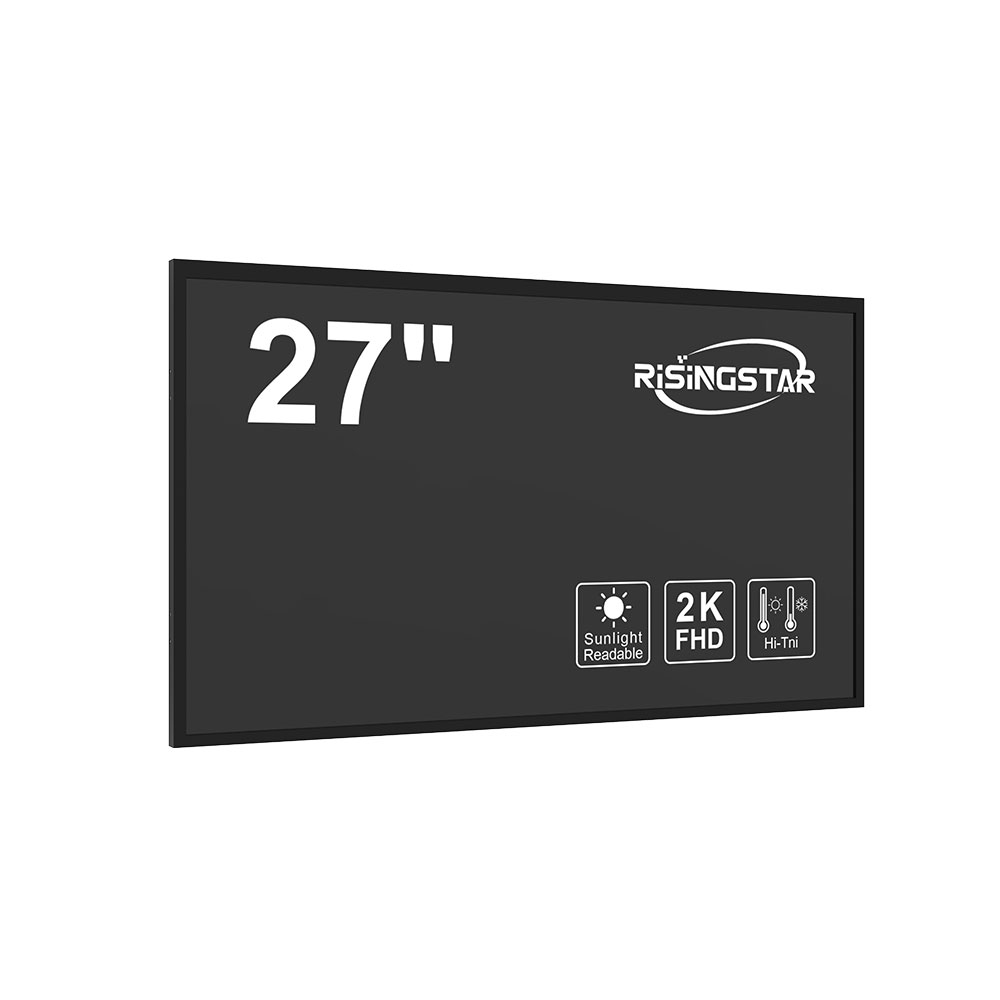
Power efficiency also plays a role, particularly in battery-powered or remote systems. Low-power LCDs using LED backlighting or OLED technology can significantly reduce energy consumption without compromising image quality. According to a 2023 report by MarketsandMarkets, the global industrial LCD market is projected to grow at a CAGR of 7.4% through 2028, driven by increased automation in smart factories and IoT integration.
Certifications matter too. Displays used in medical, aerospace, or defense sectors must comply with standards such as CE, FCC, MIL-STD-810G, and ISO 13485. These ensure reliability under rigorous testing protocols including thermal cycling, drop tests, and electromagnetic compatibility (EMC). For example, the ADI-9310 series from AOpen features an industrial-grade panel with full compliance across these certifications, making it ideal for mission-critical deployments.
Finally, long-term availability and support are crucial. Industrial customers need components that remain in production for at least 10 years to avoid costly redesigns. Choosing suppliers with strong supply chain resilience and robust after-sales service ensures uninterrupted operations. Based on customer feedback from Siemens, Rockwell Automation, and Bosch, the combination of rugged design, certified performance, and consistent supply has become the gold standard in industrial LCD procurement.
上一篇:Understanding LCD Display Technology in Modern Electronics
下一篇:High-Performance LCD Displays for Public Transit and Outdoor Digital Signage Applications