
How to Choose the Right LCD Display for Industrial Applications
Selecting the appropriate LCD display for industrial applications is a critical decision that directly impacts equipment performance, user experience, and long-term reliability. Unlike consumer-grade displays, industrial LCDs must withstand harsh environments such as extreme temperatures, vibration, humidity, and electromagnetic interference. Therefore, engineers and procurement specialists must consider several technical and operational factors before making a choice.
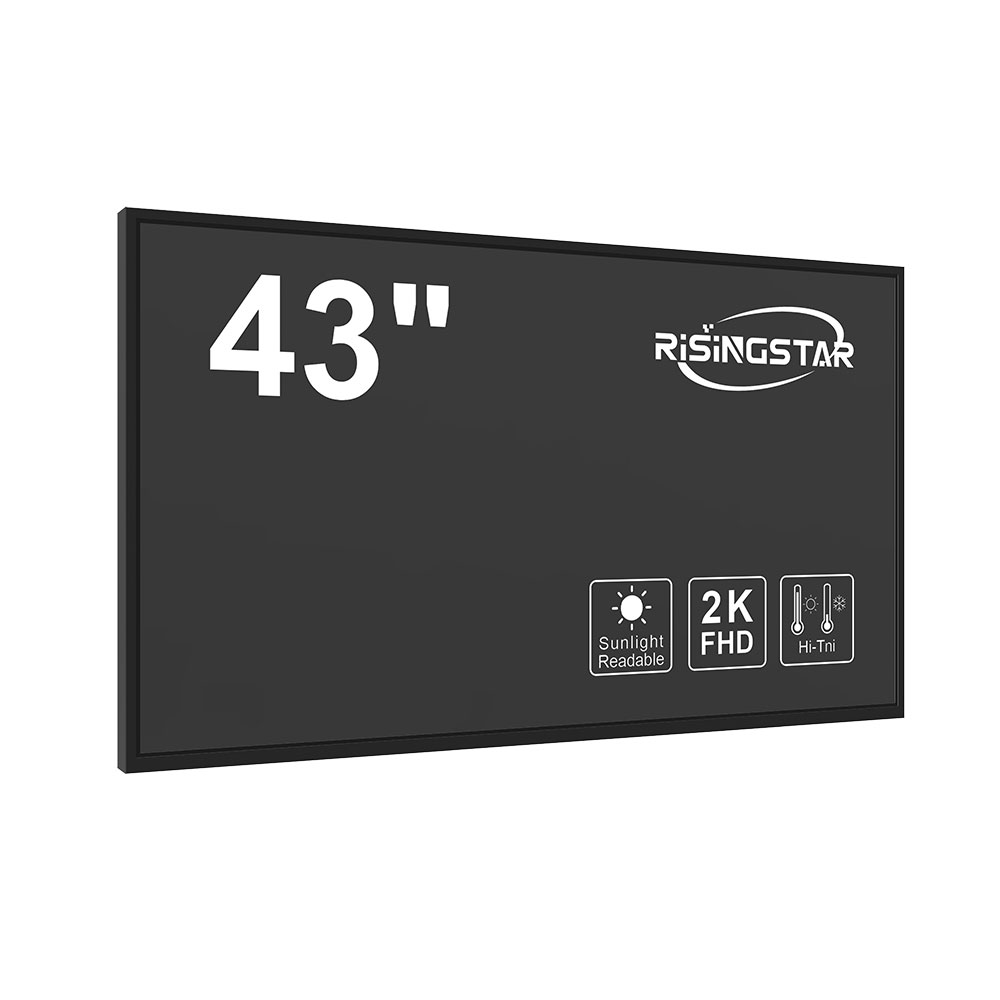
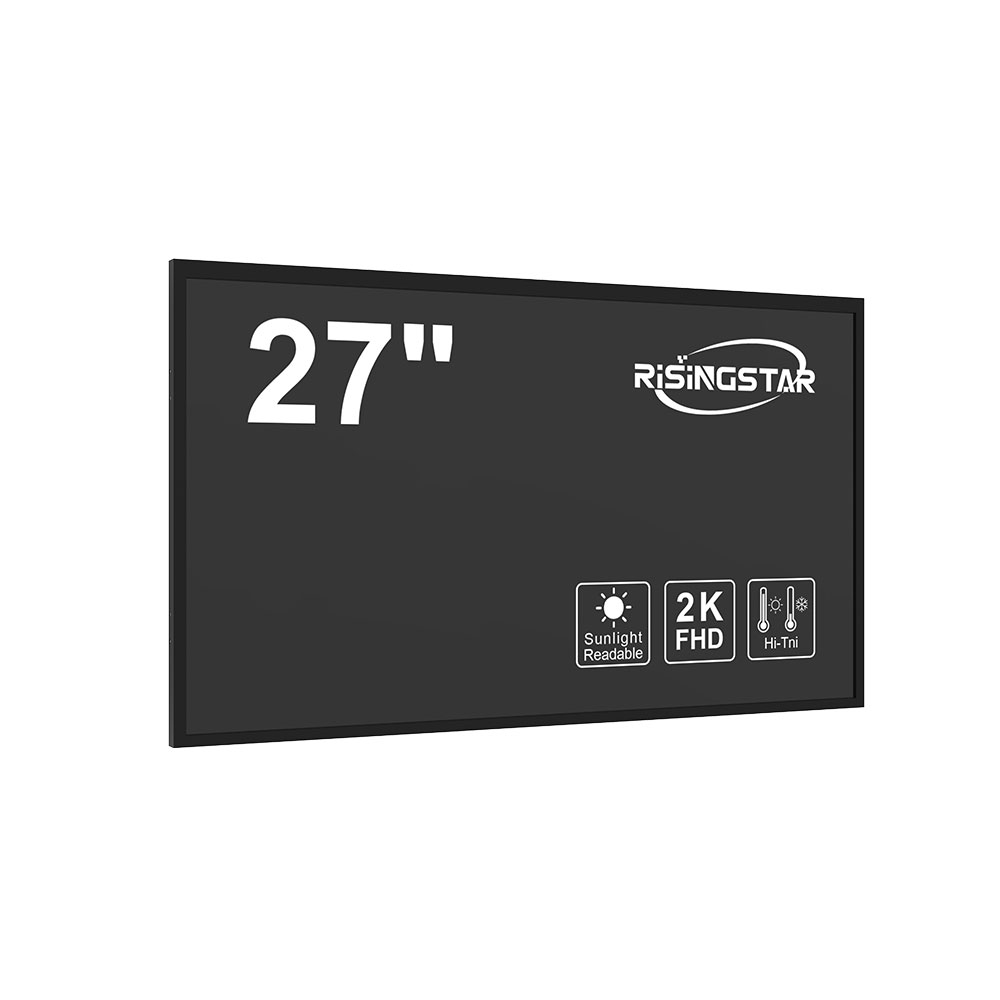
First, evaluate the environmental conditions where the display will be deployed. Industrial settings often range from -30°C to +70°C, so choosing an LCD with a wide operating temperature range—typically certified by standards like IEC 60068—is essential. Displays designed for outdoor use should have high brightness (at least 1000 nits) and anti-glare coatings to maintain visibility under direct sunlight. For example, the LG Philips LP156W2-LX1 and Sharp LQ104V1DG23 are commonly used in manufacturing control panels due to their ruggedized design and high contrast ratios.
Second, assess mechanical durability. Industrial applications often involve frequent handling or exposure to shocks. Look for displays with reinforced casings, IP65 or higher ingress protection ratings, and shock resistance up to 50g (per MIL-STD-810G). These specifications ensure longevity in environments like mining, transportation, or heavy machinery operations.
Third, consider power efficiency and compatibility. Low-power consumption LCDs with integrated LED backlighting reduce thermal load and energy costs. Ensure compatibility with existing system architectures—whether via LVDS, MIPI DSI, or RGB interfaces—to avoid costly redesigns.
Finally, validate manufacturer support and certifications. Trusted brands like AU Optronics, Innolux, and BOE offer extended warranties and compliance with ISO 9001, RoHS, and CE standards. Customer reviews on platforms like Digi-Key and Mouser Electronics often highlight real-world performance metrics such as mean time between failures (MTBF), which can exceed 100,000 hours for industrial-grade models.
By prioritizing these factors—environmental resilience, mechanical robustness, power efficiency, and supplier credibility—engineers can confidently select an LCD display that ensures optimal functionality across diverse industrial applications.