
LCD Monitor Display Ratios Explained: From 10.1 to 110 Inches in 16:9 Format
When selecting an LCD monitor for professional, educational, or home use, understanding display ratios—especially the dominant 16:9 aspect ratio—is essential. This widescreen format has become the global standard across desktops, laptops, TVs, and commercial displays due to its compatibility with HD, Full HD, 4K, and even 8K content. Whether you're working with a compact 10.1-inch tablet screen or a massive 110-inch commercial LED display, 16:9 ensures optimal visual balance and uniformity in image scaling.
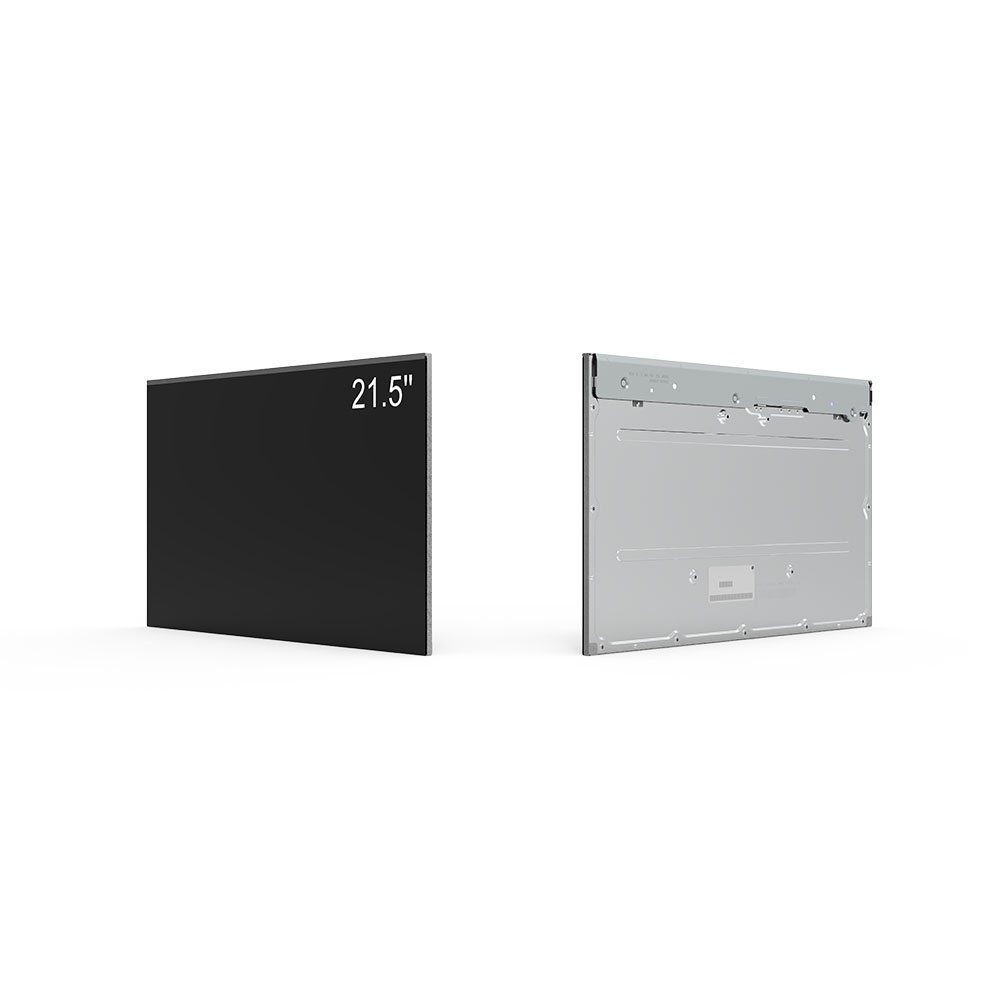
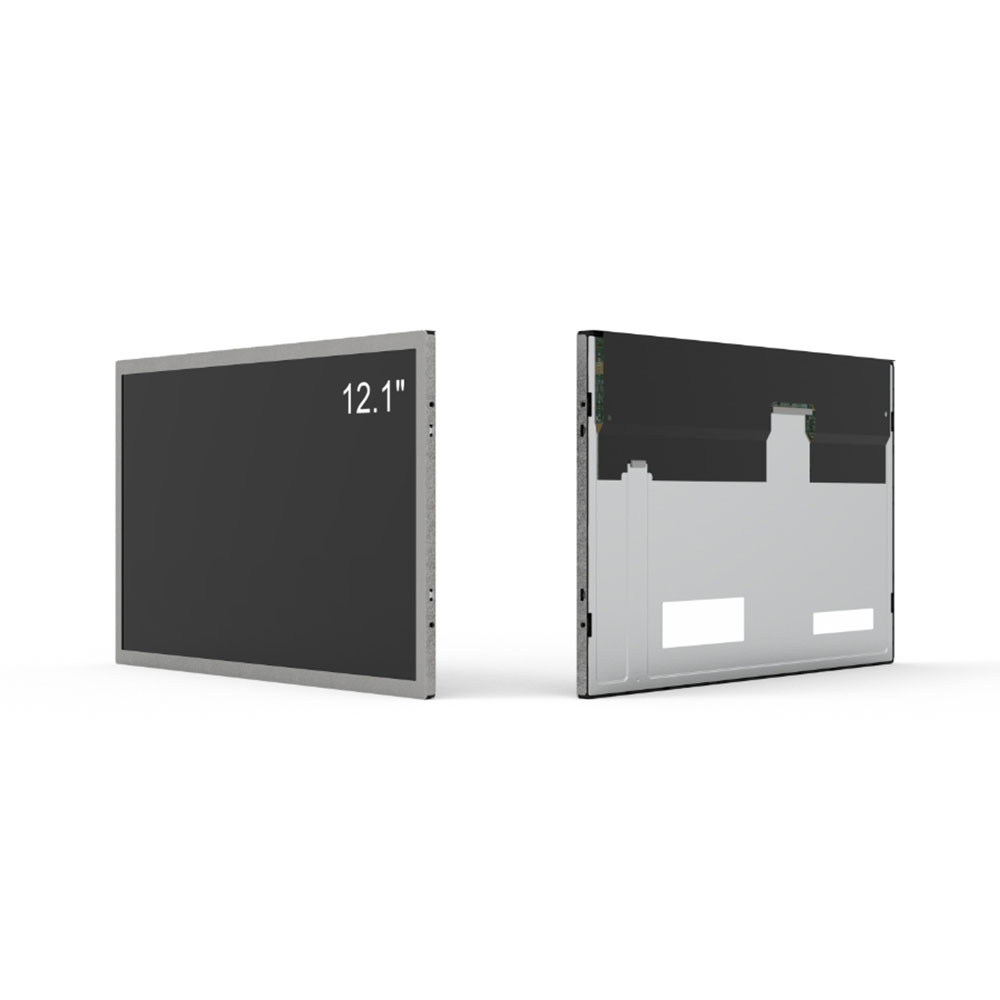
Common sizes in this ratio include 10.1", 13.3", 15.6", 18.5", 21.5", 23.8", 27", 32", 43", 46", 49", 55", 65", 75", 86", 98", and 110". Each size serves distinct applications:
- 10.1"–15.6": Ideal for portable devices like tablets, ultrabooks, and compact workstations where mobility is key.
- 18.5"–23.8": Common in budget-friendly desktop setups and small office environments; supports 1080p resolution effectively.
- 27"–32": The sweet spot for productivity and gaming, offering ample screen real estate at 1440p or 4K.
- 43"–55": Popular for home entertainment systems and digital signage in retail or hospitality.
- 65"–110": Used in large venues such as conference halls, stadiums, and control rooms—often integrated into LED video walls for dynamic content delivery.
The 16:9 ratio aligns perfectly with modern media formats (like YouTube, Netflix, and Zoom), ensuring no black bars on sides or top/bottom during playback. Manufacturers like LG, Samsung, Dell, and BenQ adhere to this standard, leveraging advanced IPS panels, high brightness (300–500 cd/m²), and wide viewing angles for consistent performance. For industrial or outdoor use, ruggedized models from brands like Planar and Barco support extreme temperature ranges (-20°C to +60°C) and IP65 ratings for dust/water resistance.
In conclusion, choosing an LCD monitor with a 16:9 aspect ratio ensures future-proof compatibility, efficient space utilization, and superior visual immersion—whether you’re designing a compact laptop, building a multi-monitor workstation, or deploying a public information display. Always verify panel type (IPS vs. TN), response time (<5ms), and HDR support when evaluating performance beyond just size and ratio.
上一篇:IK10 LCD Display Technology: Advancements, Applications, and Industry Impact
下一篇:IK10 LCD Display Module: Performance, Reliability, and Industrial Applications