LCD Monitor Display Ratios Explained: From 10.1 to 110 Inches for Every Need
When selecting an LCD monitor, understanding display ratios is essential—especially the widely adopted 16:9 aspect ratio, which has become the industry standard for both consumer and professional use. This ratio ensures compatibility with modern HD, Full HD, 4K, and even 8K content formats, making it ideal for multimedia, gaming, productivity, and digital signage applications.
Common screen sizes that utilize the 16:9 format include compact 10.1-inch displays used in portable devices like tablets and automotive infotainment systems; 13.3-inch monitors found in laptops and ultrabooks; and larger 15.6-inch screens commonly seen in desktop replacements and budget-friendly workstations. For office environments and home entertainment, 18.5-inch, 21.5-inch, and 23.8-inch models dominate as entry-level to mid-range options offering excellent value and clarity.
Professional users often choose 27-inch and 32-inch monitors for their sharp resolution and ergonomic benefits—ideal for graphic design, video editing, and multi-tasking workflows. Larger 43-inch and 46-inch displays are increasingly popular in commercial settings such as retail kiosks, conference rooms, and digital advertising walls. Meanwhile, 49-inch ultra-wide monitors (often 32:9 or 16:9) deliver immersive experiences for creative professionals and gamers alike.
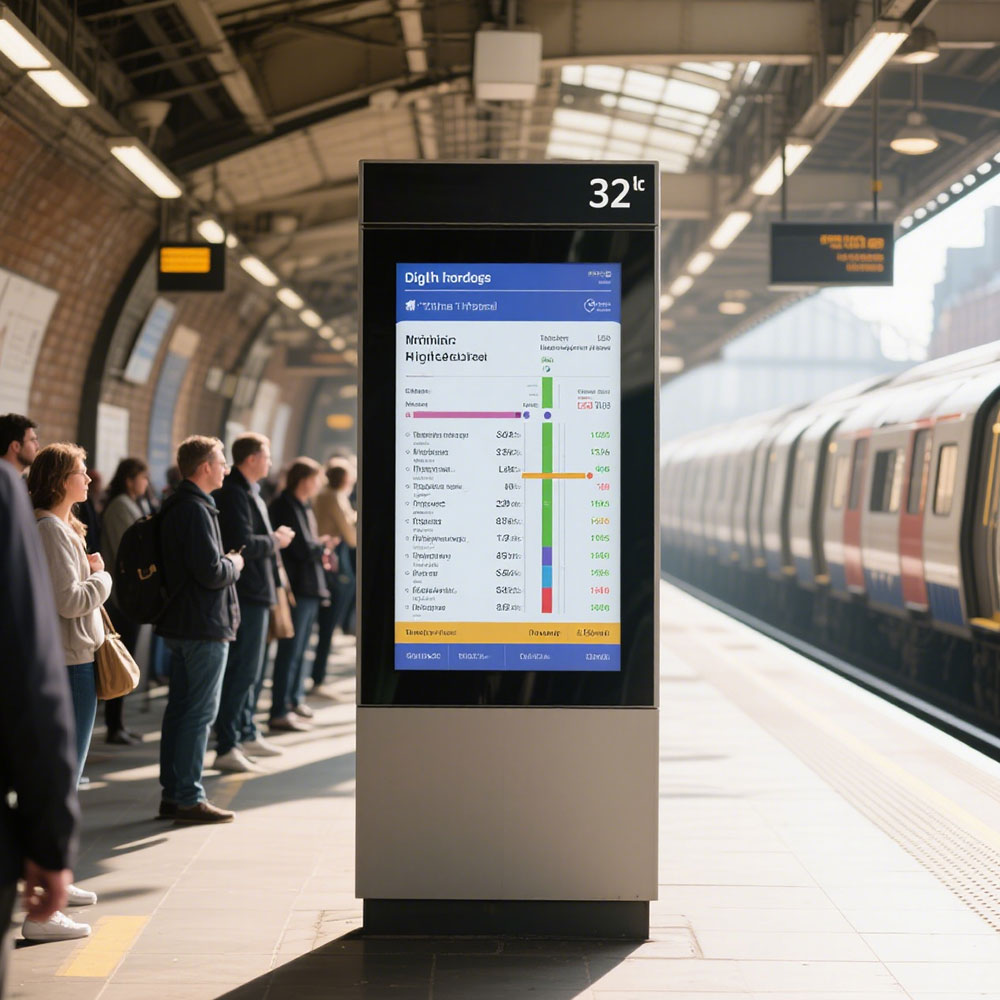
For enterprise and public installations, 55-inch, 65-inch, 75-inch, 86-inch, 98-inch, and even 110-inch LCD panels provide massive visual impact for command centers, education, healthcare, and large-scale event presentations. These displays typically feature high brightness (up to 5,000 nits), wide viewing angles, and robust build quality to ensure consistent performance in demanding environments.

Manufacturers like LG, Samsung, Dell, and BenQ offer certified 16:9 displays across all these sizes, with features including IPS panels, HDR support, USB-C connectivity, and energy-efficient LED backlights. When evaluating a new LCD monitor, always verify that the native resolution matches the 16:9 format—such as 1920×1080 (Full HD), 2560×1440 (QHD), or 3840×2160 (4K UHD)—to avoid image distortion and maximize visual fidelity.
Whether you're building a home office setup, deploying a digital signage network, or outfitting a control room, choosing the right 16:9 LCD monitor size ensures optimal usability, future-proofing, and seamless integration with existing technology ecosystems.