
What Are LCD Screens
LCD screens, or Liquid Crystal Display screens, are one of the most widely used display technologies in modern electronics. From smartphones and laptops to televisions and digital signage, LCDs dominate the market due to their energy efficiency, clarity, and cost-effectiveness. At the core of an LCD screen is a layer of liquid crystal material sandwiched between two glass substrates. These crystals do not emit light themselves but instead manipulate polarized light passing through them when an electric current is applied. This precise control over light allows for the creation of sharp, high-contrast images.
The structure of an LCD panel includes several key components: a backlight (typically LED-based for modern displays), a color filter array, polarizers, thin-film transistors (TFTs) that act as individual switches for each pixel, and the liquid crystal layer. Each pixel consists of sub-pixels—red, green, and blue—that combine to form the full-color image you see on screen. The TFT array ensures that each pixel can be independently controlled, enabling fast refresh rates and accurate color reproduction.
One major advantage of LCD technology is its low power consumption compared to older CRT (Cathode Ray Tube) displays. This makes it ideal for portable devices such as tablets and mobile phones. Additionally, LCD panels are thinner, lighter, and more durable than many alternative display types, which has contributed to their dominance in consumer electronics since the early 2000s.
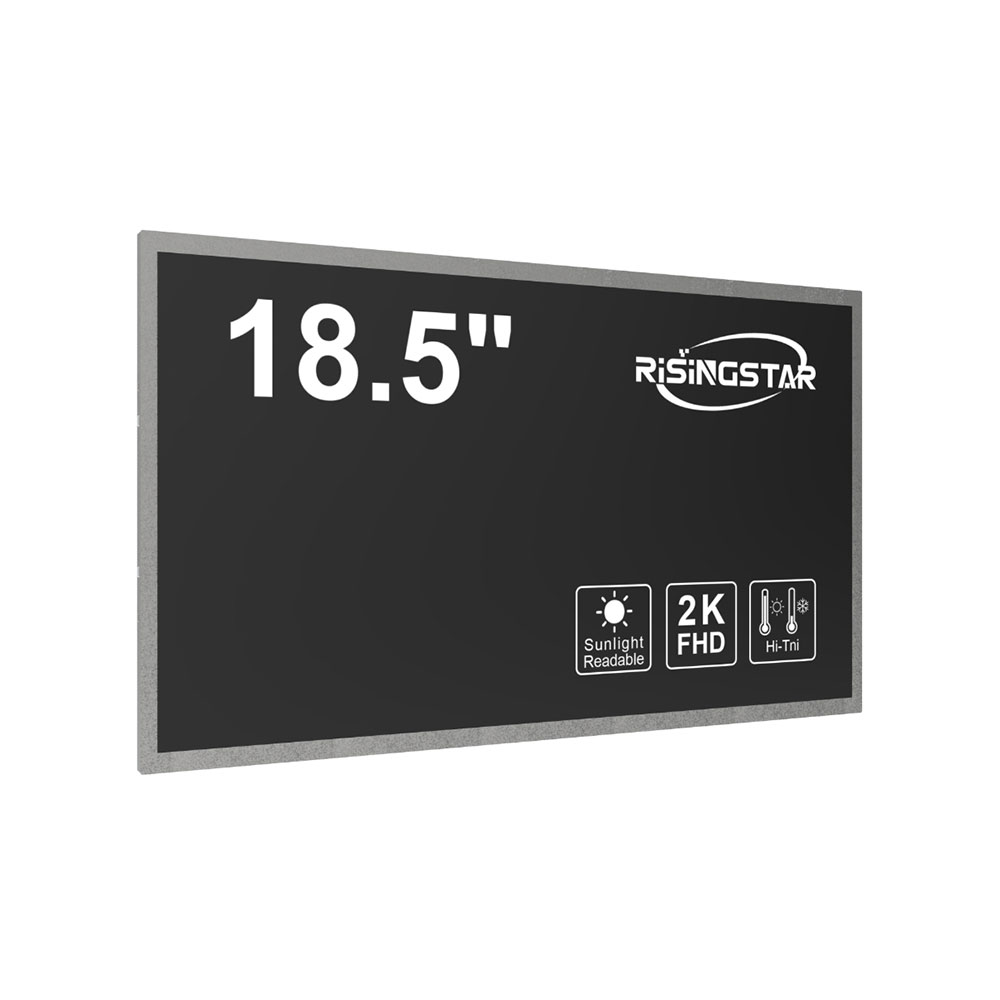
However, LCDs also have limitations. They rely on a backlight, meaning blacks may appear grayish rather than truly black—a drawback when compared to OLED displays. Also, viewing angles can affect image quality; colors and contrast may shift when viewed from the side. Despite this, advancements like IPS (In-Plane Switching) and VA (Vertical Alignment) technologies have significantly improved angle performance and color accuracy.
Manufacturers such as LG Display, Samsung Display, and BOE have driven innovation in LCD production, introducing higher resolutions (4K and beyond), faster response times, and better energy efficiency. Industry reports from IHS Markit and Omdia indicate that even as OLED and MicroLED technologies grow, LCD remains the dominant display solution globally—especially in mid-range TVs, monitors, and commercial displays—due to its balance of performance, reliability, and affordability.
For consumers, understanding how LCD screens work helps in making informed decisions when purchasing electronics. Whether evaluating a new laptop or selecting a monitor for professional use, knowing the strengths and limitations of LCD technology ensures optimal value and user satisfaction.
上一篇:LCD Strip Screen Series Overview for Industrial and Commercial Applications
下一篇:LCD Display Technology Trends and Applications in Modern Electronics