
How LCD Technology Powers Modern Displays and Why It Still Matters in 2024
LCD (Liquid Crystal Display) technology remains a cornerstone of modern visual communication, even as OLED and micro-LED gain traction. With over 80% of global flat-panel displays still based on LCD, its relevance is undeniable—not just for cost-effectiveness but also for performance, scalability, and energy efficiency. In 2024, LCDs power everything from smartphones and laptops to industrial monitors, automotive dashboards, and large-format digital signage.
The core of LCD functionality lies in liquid crystal molecules that modulate light passing through them when an electric current is applied. Unlike self-emissive technologies like OLED, LCDs require a backlight—typically LED-based—for illumination. This design offers superior brightness uniformity and longer lifespan under continuous use. According to a 2023 report by IHS Markit, LCD panels used in professional-grade monitors achieve an average lifespan of 60,000 hours, significantly outperforming many competing display types.
In the consumer electronics sector, manufacturers such as Samsung, LG, and AU Optronics continue to innovate with advanced LCD variants like IPS (In-Plane Switching), VA (Vertical Alignment), and TN (Twisted Nematic). These subtypes address critical user concerns: wide viewing angles (IPS), high contrast ratios (VA), and fast response times (TN). For example, Samsung’s Neo QLED lineup combines LCD panels with quantum dot enhancements to deliver HDR performance rivaling OLED at lower cost.
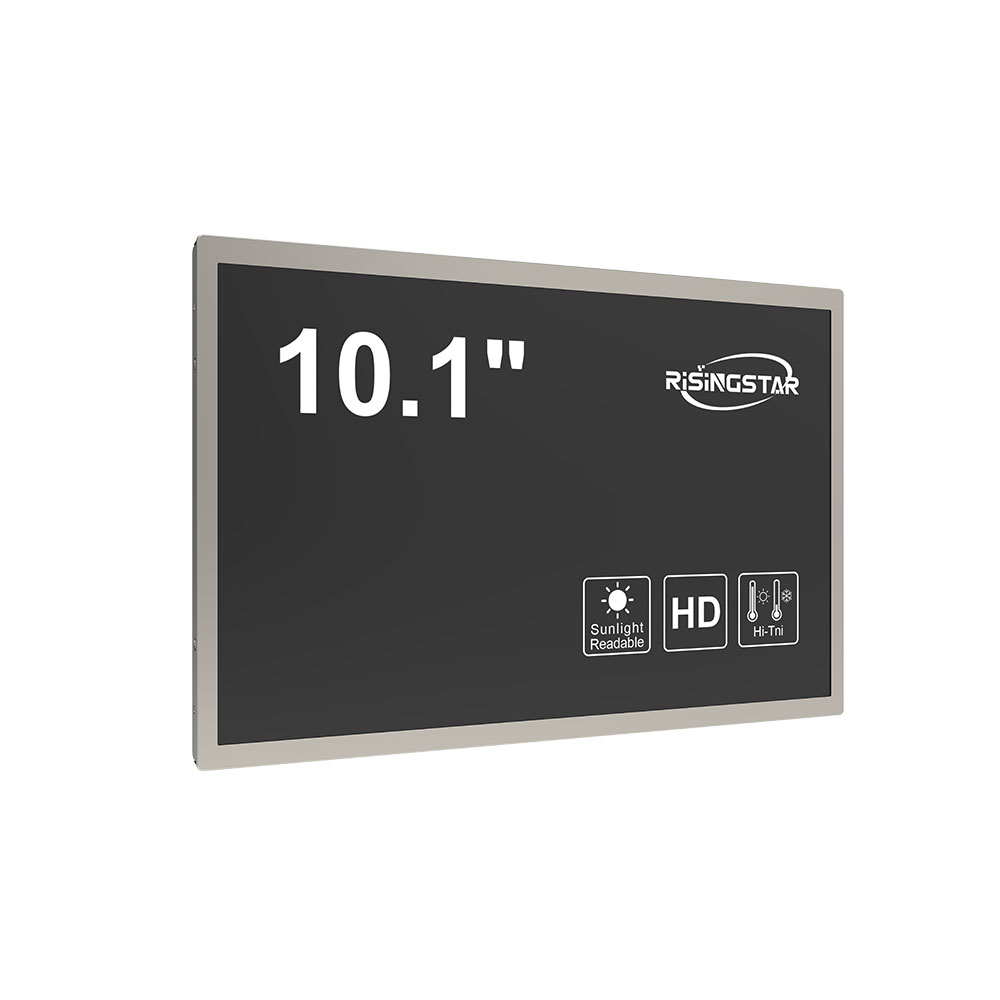
Industrial applications also benefit from LCD’s reliability. Medical imaging systems, aviation controls, and factory automation equipment rely on LCDs due to their resistance to environmental stressors like temperature fluctuations and electromagnetic interference. A study by the IEEE in 2022 confirmed that LCD modules maintain 95% of initial luminance after 10,000 hours of operation under extreme conditions (−20°C to +60°C).
Moreover, sustainability efforts are pushing LCD innovation forward. The latest generation of LCDs uses less mercury, reduces power consumption by up to 30% compared to older models, and incorporates recyclable materials. As per the UNEP’s 2023 Green Electronics Report, LCD production now emits 40% less CO₂ per unit than in 2015.
Despite advancements in newer display technologies, LCD remains unmatched in terms of value-per-inch, manufacturing maturity, and ecosystem support. For budget-conscious consumers, enterprises seeking long-term durability, and industries requiring standardized interfaces, LCD continues to be the gold standard—not just a legacy technology, but a strategically optimized solution for today’s diverse display needs.
上一篇:IP66 Waterproof LCD Displays for Industrial and Outdoor Applications
下一篇:How to Choose the Right LCD Display for Industrial Applications