
How to Choose the Right LCD Display for Industrial Applications
Selecting the appropriate LCD display for industrial applications demands a comprehensive understanding of environmental conditions, operational requirements, and long-term reliability. Unlike consumer-grade displays, industrial LCDs must endure extreme temperatures, humidity, vibration, and prolonged usage without degradation in performance.
First, consider the operating environment. Industrial settings such as manufacturing plants, oil rigs, or outdoor kiosks often expose displays to temperatures ranging from -20°C to +70°C. Therefore, choosing an LCD with a wide temperature tolerance—ideally rated for industrial-grade operation (e.g., -30°C to +85°C)—is essential. Displays like the Sharp LQ104V1LW1 or LG LP104WU1-TLC1 are widely used in such environments due to their robust thermal stability and low-power consumption.
Second, assess brightness and viewing angles. In high ambient light conditions—such as outdoor solar farms or factory floors—brightness levels should exceed 2000 cd/m². For indoor applications with controlled lighting, 500–800 cd/m² is typically sufficient. Additionally, IPS (In-Plane Switching) panels offer superior viewing angles (up to 178°), which is critical for multi-user interfaces or installations where users approach from various angles.
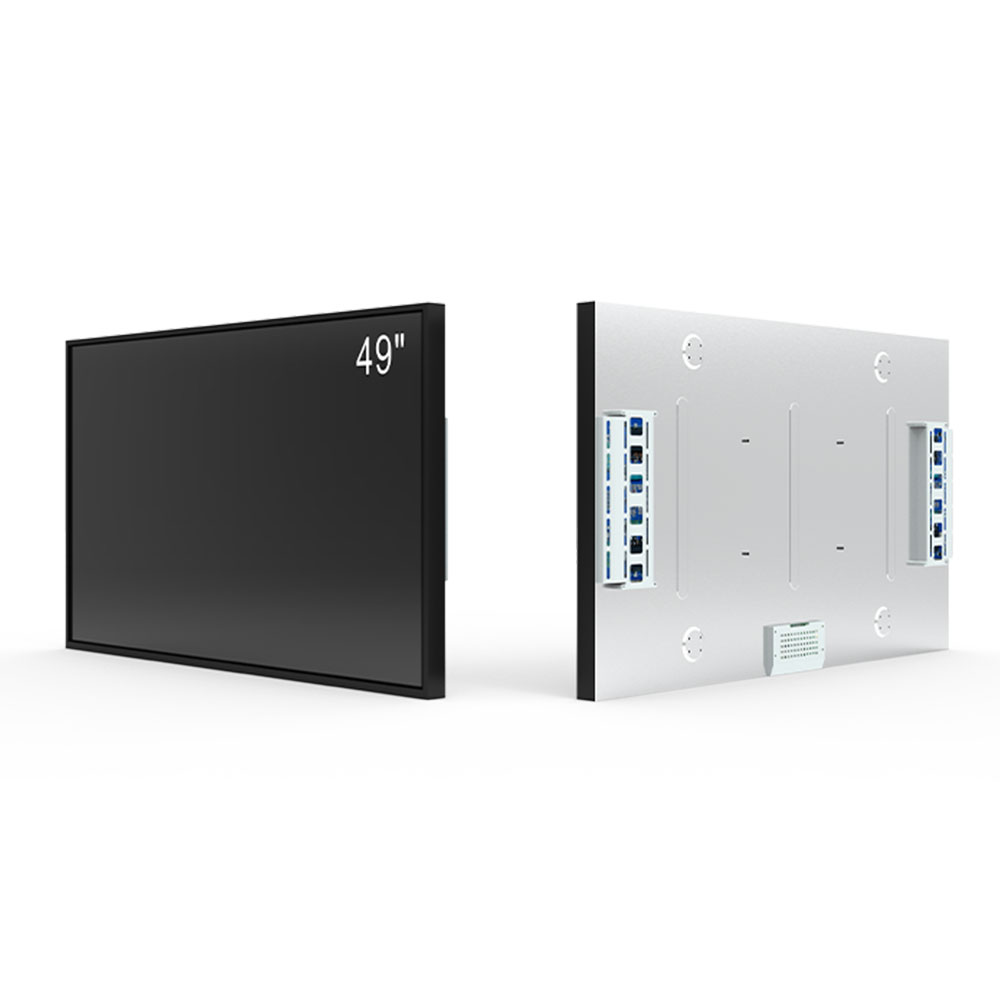
Third, evaluate durability and lifespan. Industrial LCDs should have a minimum MTBF (Mean Time Between Failures) of 50,000 hours. Look for displays with anti-glare coatings, hardened glass (e.g., Gorilla Glass), and shock resistance certifications (like IP65 or MIL-STD-810G). These features ensure resilience against dust, water, and mechanical stress.
Finally, consider integration ease and support. Reliable suppliers such as Samsung, BOE, and AU Optronics provide detailed datasheets, development kits, and technical support for embedded systems. Compatibility with common interfaces like LVDS, eDP, or MIPI DSI ensures seamless integration into PLCs, HMIs, and IoT devices.
Based on real-world case studies from Siemens and ABB, companies that invest in quality industrial LCDs reduce downtime by up to 40% and extend device lifecycle by 3–5 years compared to generic alternatives.
上一篇:How to Choose the Right LCD Panel for Your Display Application
下一篇:High-Brightness LCD Solutions for Harsh Environments with 5000 Nits Peak Brightness