
How to Choose the Right LCD Display for Industrial Applications
When selecting an LCD display for industrial applications, it's essential to prioritize durability, clarity, and environmental resilience. Unlike consumer-grade screens, industrial LCDs must operate reliably in extreme conditions—such as high temperatures, humidity, vibration, or dust exposure. A well-chosen display not only enhances operational efficiency but also reduces maintenance costs and downtime.
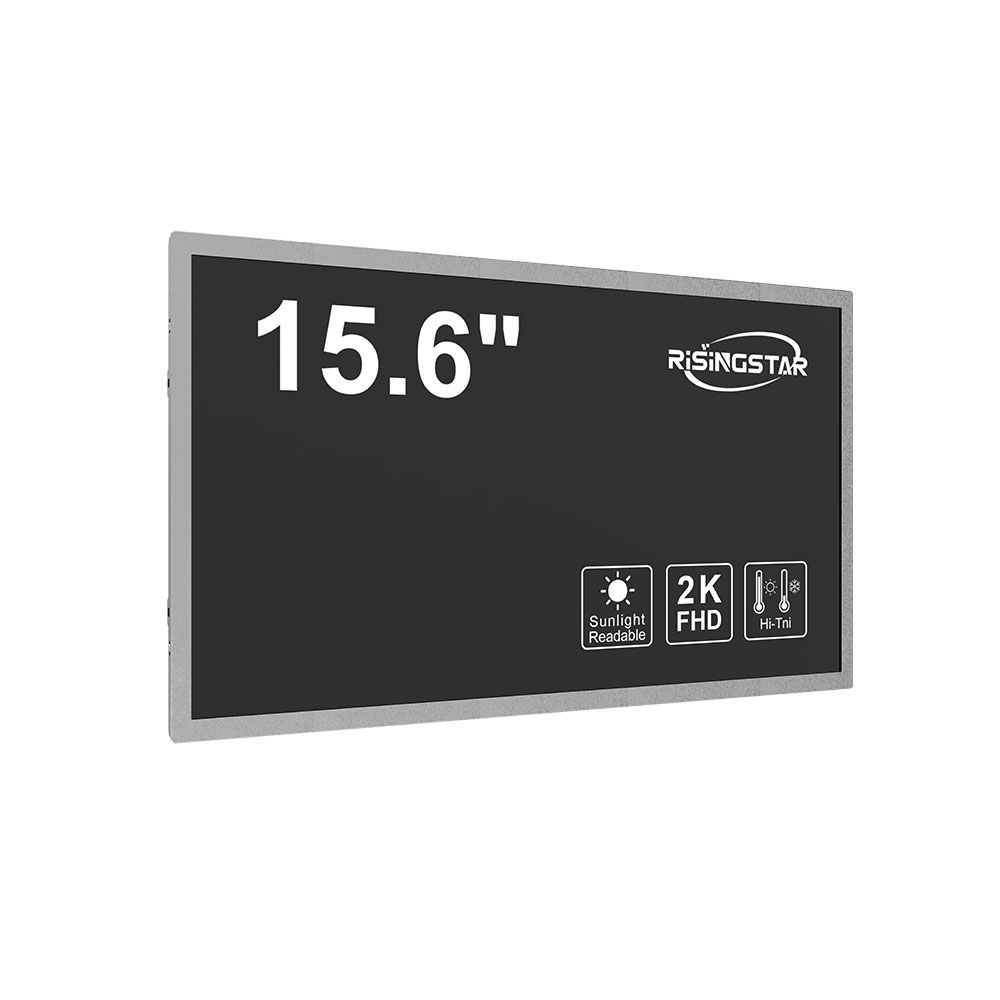
First, evaluate the operating environment. Industrial settings like manufacturing plants, outdoor kiosks, or medical equipment rooms often demand displays with wide temperature ranges (typically -30°C to +70°C), high brightness (at least 1000 cd/m²), and IP65 or higher ingress protection ratings. For example, the LG LP156WF4-SPB1 panel is a widely used industrial-grade TN LCD known for its ruggedness and 1000-nit brightness, ideal for harsh environments.
Second, consider the display’s lifespan and reliability. Industrial-grade LCDs typically use longer-lasting backlight systems such as LED or OLED, which offer better energy efficiency and fewer failures over time. According to a 2023 report by Display Supply Chain Consultants (DSCC), industrial LCDs have an average MTBF (Mean Time Between Failures) of over 50,000 hours—significantly higher than consumer models.
Third, ensure compatibility with your control system. Whether you're integrating with PLCs, embedded Linux systems, or custom firmware, verify that the display supports industry-standard interfaces like LVDS, MIPI DSI, or HDMI. The Sharp LQ104V1LG11, for instance, features a dual-link LVDS interface and is commonly used in automated machinery due to its seamless integration capabilities.
Fourth, assess touch functionality. Capacitive touch panels are preferred in industrial settings because they allow operation with gloves and resist moisture damage. Resistive touchscreens, while cheaper, degrade faster under constant pressure and can fail in humid environments.
Finally, look for certifications such as CE, FCC, and RoHS compliance, which ensure safety, electromagnetic compatibility, and environmental responsibility. These standards are critical for global deployment in regulated industries like automotive, healthcare, and aerospace.
By following these guidelines—focusing on environmental resilience, longevity, interface compatibility, touch performance, and regulatory compliance—you can confidently select an LCD display that meets both technical requirements and long-term business needs.
上一篇:Understanding LCD Technology in Modern Display Devices
下一篇:How IP66 Waterproof Rating Ensures Reliability in Harsh Environments