
Understanding LCD Panel Technology and Its Applications in Modern Displays
LCD (Liquid Crystal Display) technology remains a cornerstone of modern display systems, widely used in consumer electronics such as smartphones, televisions, monitors, and automotive infotainment. Despite the rise of OLED and micro-LED technologies, LCDs continue to dominate the market due to their cost-effectiveness, energy efficiency, and mature manufacturing processes. This article provides a comprehensive overview of LCD panel technology—from basic principles and structural components to advanced features like IPS, VA, and TN panels—and explores real-world applications across industries.
The core mechanism of an LCD panel relies on liquid crystals that modulate light passing through them when subjected to electric fields. These crystals are sandwiched between two polarized glass substrates, with a backlight unit (usually LED-based) providing illumination from behind. Each pixel consists of three sub-pixels—red, green, and blue—that can be individually controlled to produce a full-color image. The alignment of liquid crystals determines how much light passes through, enabling precise grayscale control and high-resolution visuals.
One of the most significant advancements in LCD technology has been the development of different panel types, each offering distinct advantages for specific use cases. Twisted Nematic (TN) panels were among the first widely adopted due to their fast response times, making them ideal for gaming and video applications. However, TN panels suffer from narrow viewing angles and limited color accuracy. Vertical Alignment (VA) panels offer better contrast ratios and deeper blacks by aligning molecules perpendicular to the substrate, but they have slower response times compared to TN. In contrast, In-Plane Switching (IPS) panels provide wide viewing angles, excellent color reproduction, and consistent brightness across the screen—making them the preferred choice for professional design work, medical imaging, and high-end consumer displays.
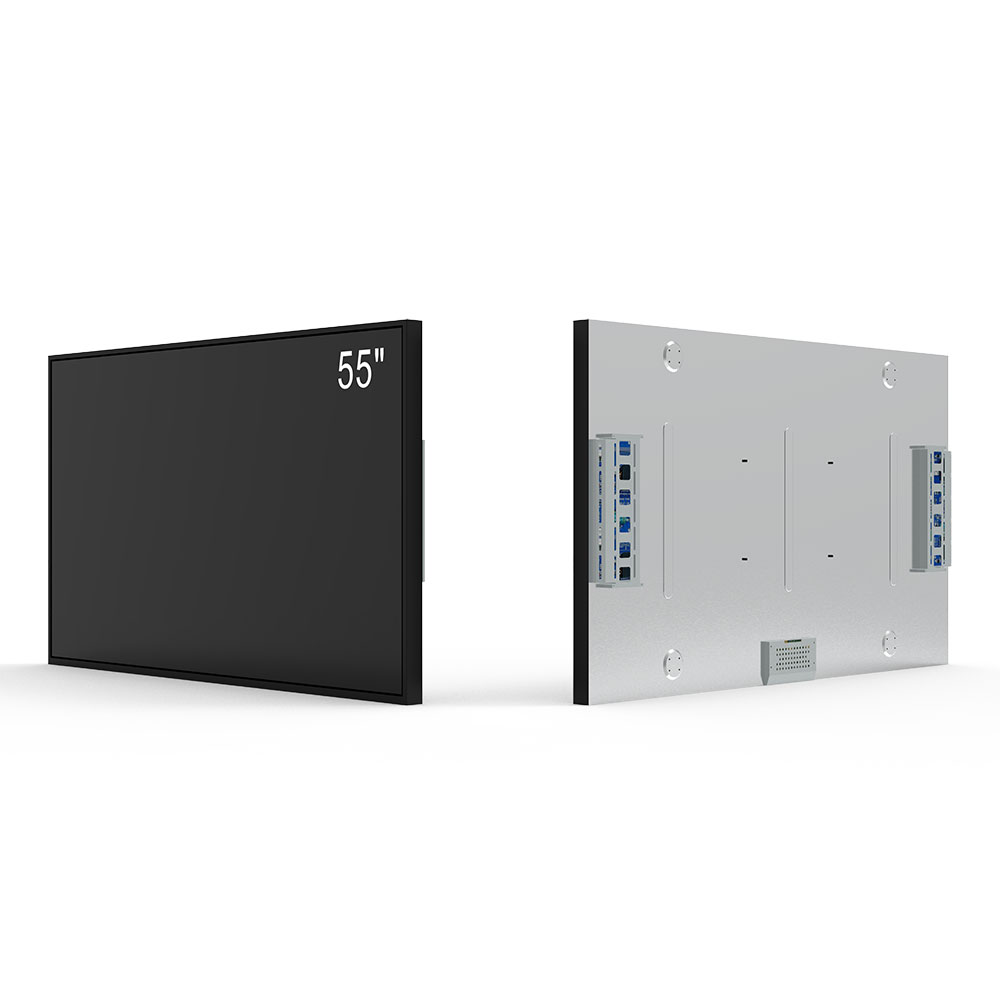
Manufacturers have also introduced hybrid technologies like AH-IPS (Advanced High-Performance IPS), PLS (Plane-to-Line Switching), and ASV (Advanced Super View) to improve upon traditional IPS performance. For instance, PLS panels developed by Samsung offer higher brightness and lower power consumption than standard IPS while maintaining superior viewing angles. Similarly, ASV panels from AU Optronics enhance contrast and reduce motion blur, addressing key limitations in earlier IPS designs. These innovations demonstrate the ongoing evolution of LCD technology to meet demands for visual quality and operational efficiency.
In recent years, LCDs have found expanded applications beyond consumer electronics. In the automotive sector, manufacturers like BMW, Tesla, and Mercedes-Benz now integrate large-format LCD clusters and center consoles, offering customizable dashboards and enhanced user interfaces. Industrial environments benefit from ruggedized LCD panels designed for harsh conditions—such as extreme temperatures, vibration, and humidity—which are commonly used in factory automation, medical devices, and outdoor signage. Medical-grade LCDs, often certified under IEC 60601 standards, ensure accurate color representation for diagnostic imaging, allowing radiologists and surgeons to interpret scans with confidence.

Energy efficiency remains a critical factor driving LCD adoption, especially in battery-powered devices. According to a 2023 report by the International Energy Agency (IEA), LCDs consume up to 40% less power than older CRT displays and approximately 25% less than OLEDs in similar-sized screens. This makes them highly suitable for laptops, tablets, and portable devices where battery life is paramount. Moreover, advancements in LED backlighting—such as local dimming and mini-LED technology—have significantly improved contrast and dynamic range without sacrificing energy efficiency.
Environmental sustainability is another growing concern in the display industry. Many LCD producers now comply with RoHS (Restriction of Hazardous Substances) directives and implement recycling programs to minimize e-waste. For example, LG Display has implemented a closed-loop recycling system for rare earth materials used in backlight units, reducing reliance on mining operations. Additionally, newer LCD panels incorporate eco-friendly materials such as biodegradable plastic substrates and mercury-free LEDs, aligning with global efforts toward greener electronics.

From a user experience perspective, modern LCDs increasingly integrate smart features like touch sensitivity, HDR support, and adaptive refresh rates. The widespread adoption of HDMI 2.1 and DisplayPort 1.4 standards ensures compatibility with high-bandwidth content delivery, supporting 4K@120Hz and even 8K resolutions. Gamers and creatives alike benefit from technologies such as G-Sync and FreeSync integration, which synchronize frame rates between the GPU and monitor to eliminate screen tearing and stuttering.
Despite competition from emerging technologies, LCDs maintain strong market presence globally. According to Statista’s 2024 report, over 70% of all flat-panel displays shipped worldwide in 2023 were LCD-based, underscoring their enduring relevance. Analysts attribute this resilience to factors such as scalability, reliability, and the ability to produce large-format panels economically—a major advantage over OLED, which faces challenges in scaling beyond 70-inch screens.
Looking ahead, future developments in LCD technology may include quantum dot enhancement, transparent LCDs, and flexible substrates. Quantum dot-enhanced LCDs (QLED) already deliver wider color gamuts and improved luminance, bridging the gap between LCD and OLED performance. Transparent LCDs, currently used in retail displays and smart windows, represent an innovative direction where visibility and functionality coexist seamlessly. Meanwhile, flexible LCDs could revolutionize wearable tech and foldable smartphones, offering durability and portability.
Ultimately, LCD panel technology continues to evolve—not as a relic of the past, but as a versatile, scalable, and sustainable solution for diverse applications. Whether powering your smartphone, guiding a surgeon’s precision, or displaying dynamic ads in public spaces, LCDs remain an indispensable part of the digital landscape. As manufacturers push boundaries in materials science, energy efficiency, and smart integration, the next generation of LCDs promises even greater innovation, ensuring their place at the heart of modern display solutions.
上一篇:How to Choose the Right LCD Panel for Your Display Application
下一篇:Understanding LCD Display Technology in Modern Electronics