
How to Choose the Right LCD Panel for Your Display Needs
When selecting an LCD panel for your display application—whether for consumer electronics, industrial equipment, or medical devices—it's essential to consider several technical and environmental factors. The right choice ensures optimal performance, longevity, and user satisfaction. This guide provides a structured approach to evaluating LCD panels based on key criteria such as resolution, brightness, viewing angles, response time, and environmental resilience.
First, define your use case. For example, a smartphone requires a high-resolution, low-power panel with wide viewing angles, while an outdoor kiosk may prioritize brightness and sunlight readability. Consumer-grade displays typically favor IPS (In-Plane Switching) panels for color accuracy and wide viewing angles, whereas TN (Twisted Nematic) panels are cost-effective but offer narrower viewing angles and slower response times. For professional applications like graphic design or medical imaging, OLED or mini-LED-backlit LCDs might be more suitable due to superior contrast ratios and color fidelity.
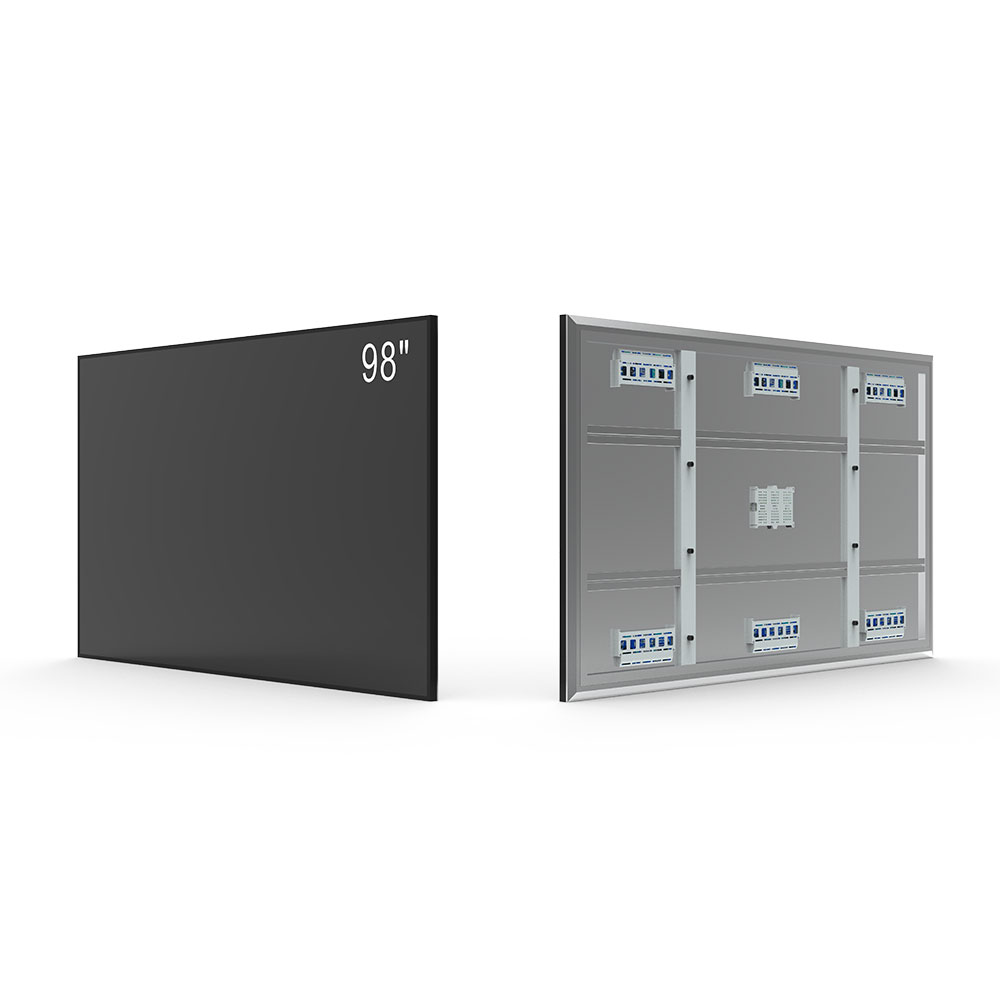
Next, evaluate performance specifications. Brightness should match ambient lighting conditions—typically 300–500 cd/m² for indoor use and over 1000 cd/m² for outdoor visibility. Response time, measured in milliseconds, affects motion clarity; panels under 5ms are ideal for gaming or fast-moving visuals. Viewing angles matter especially in collaborative environments—IPS panels often provide 178° horizontal and vertical viewing angles, which is critical for multi-user setups.
Environmental considerations are equally important. Industrial and automotive LCDs must withstand temperature extremes (-20°C to +70°C), humidity, vibration, and shock. Look for panels certified under IEC 60068 or MIL-STD-810 standards. Additionally, power consumption impacts battery life in portable devices—low-power options like e-ink or advanced LED backlighting can extend usage time by up to 40%.
Finally, validate through real-world testing. Review manufacturer datasheets, third-party evaluations from sources like DisplayMate or TechPowerUp, and customer reviews from platforms like Reddit or B&H Photo. Case studies from companies like LG Display or BOE Technology show how proper panel selection reduces failure rates and improves end-user satisfaction across sectors.
Choosing the correct LCD panel isn't just about specs—it's about aligning technology with real-world usage. By following this structured approach, engineers, product designers, and procurement teams can make informed decisions that enhance both functionality and reliability.
上一篇:Enhancing LCD Panel Performance for Global Equipment Manufacturers and Distributors
下一篇:How to Choose the Right LCD Panel for Your Display Needs