
How to Choose the Right LCD Display for Industrial Equipment Applications
When selecting an LCD display for industrial equipment, overseas manufacturers and distributors must prioritize durability, clarity, and compatibility with harsh operating environments. Unlike consumer-grade displays, industrial LCDs are engineered to withstand extreme temperatures, mechanical shock, vibration, and electromagnetic interference—factors commonly encountered in manufacturing plants, mining operations, or outdoor automation systems.
A critical starting point is determining the required resolution and screen size. For control panels or HMI (Human-Machine Interface) systems, 1024x768 or higher resolutions are recommended to ensure precise visualization of icons, menus, and real-time data. Common sizes range from 7" to 15", depending on space constraints and user interaction needs. For example, a 10.4" display like the LTN104H1L01 from LG Innotek offers excellent brightness (300 cd/m²) and wide viewing angles (80°), making it ideal for machinery operators in low-light conditions.
Environmental resilience is another non-negotiable factor. Look for IP65 or higher ratings for dust and water resistance, especially in food processing or chemical industries. Displays should also meet MIL-STD-810G standards for shock and vibration tolerance—this ensures long-term reliability under continuous operation. Testing reports from suppliers, such as those provided by Innolux or AU Optronics, confirm compliance with these benchmarks.
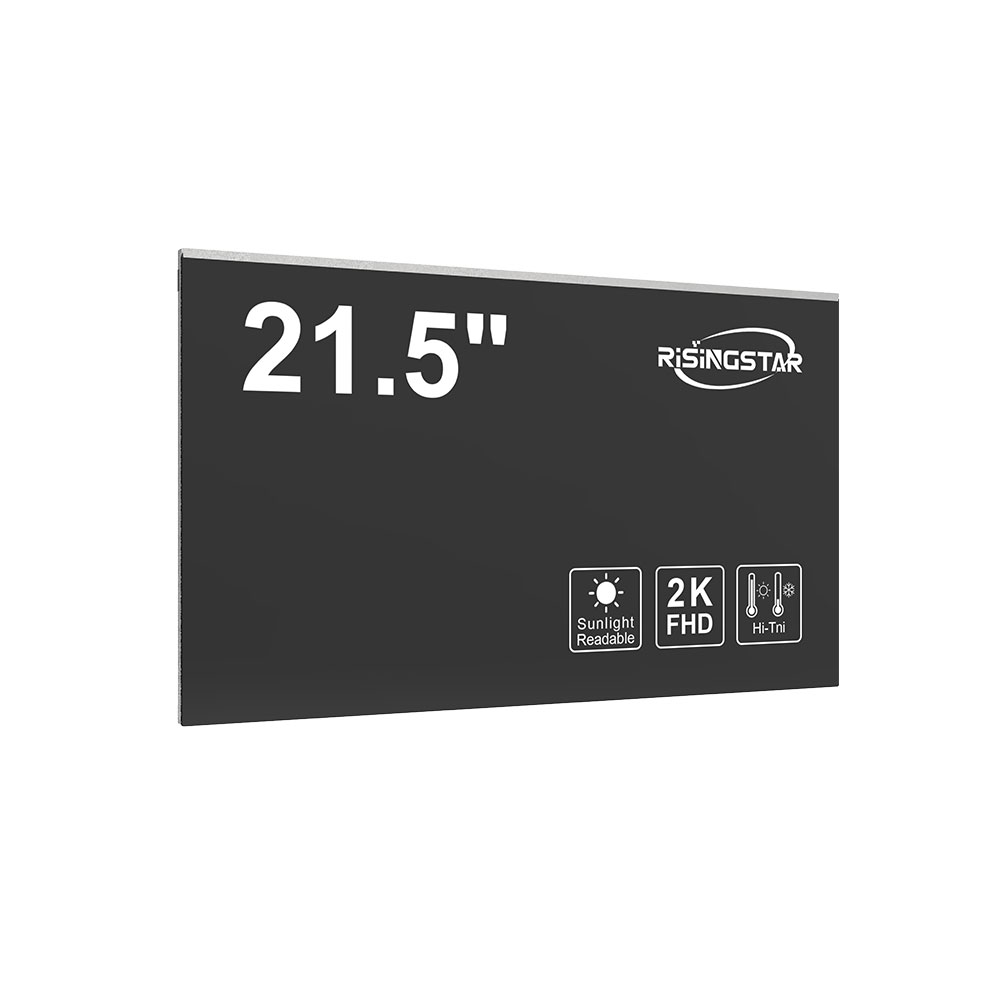
Brightness and contrast ratios directly impact visibility in diverse lighting conditions. A minimum of 500 nits is essential for outdoor applications or brightly lit environments. Some models offer automatic brightness adjustment via ambient light sensors—a feature increasingly adopted in smart factory settings.
Power efficiency matters too, particularly for battery-powered or solar-rechargeable devices. Low-power TFT-LCDs with LED backlighting can reduce energy consumption by up to 30% compared to older CCFL-backlit units. This not only lowers operational costs but also supports green manufacturing initiatives.
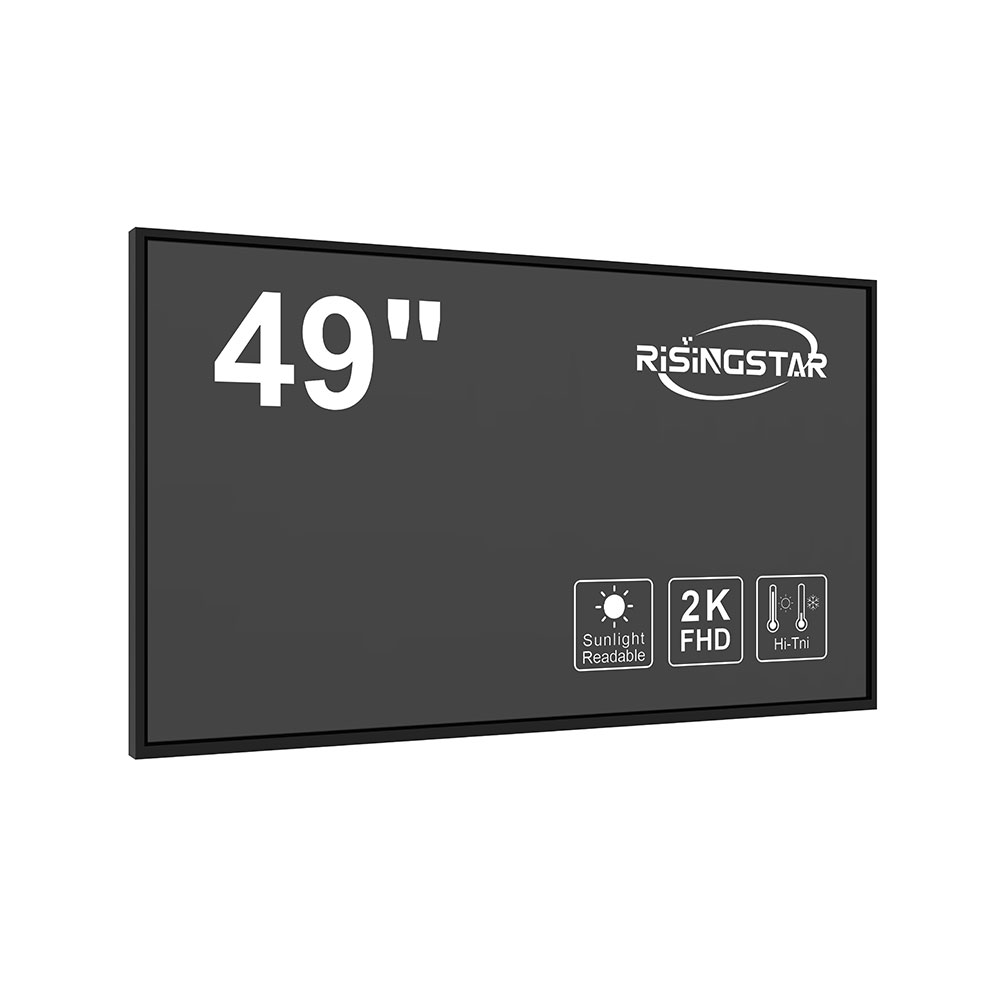
Finally, consider interface compatibility. Industrial-grade displays typically support LVDS, RGB, or MIPI DSI signals—ensuring seamless integration with PLCs, microcontrollers, or embedded Linux systems. Many vendors now offer pre-certified modules compliant with CE, FCC, and RoHS standards, accelerating time-to-market for global deployments.
In summary, choosing the right LCD involves balancing technical specs with application-specific demands. By prioritizing ruggedness, clarity, and system compatibility, OEMs can enhance product performance and reduce maintenance costs across global installations.

上一篇:How to Choose the Right LCD Panel for Industrial Equipment Applications
下一篇:Industrial Grade LCD Displays for Harsh Environments and High-Reliability Applications