
How to Choose the Right LCD Display for Industrial Applications
Selecting the appropriate LCD display for industrial applications is a critical decision that directly impacts system reliability, operational efficiency, and long-term cost of ownership. Unlike consumer-grade displays, industrial LCDs must withstand extreme environmental conditions such as temperature fluctuations, humidity, vibration, and electromagnetic interference (EMI). Therefore, engineers and procurement specialists must evaluate multiple technical specifications, environmental resilience factors, and application-specific requirements before making a selection.
First, determine the core purpose of the display within your industrial system. Is it used for human-machine interface (HMI), process monitoring, control panel visualization, or data logging? Each use case demands different resolution, brightness, touch functionality, and connectivity options. For example, an HMI in a factory automation environment might require a high-resolution color touchscreen with anti-glare coating, whereas a simple status indicator on a pump controller may only need a monochrome segment display.
Next, assess environmental durability. Industrial environments often expose electronics to temperatures ranging from -30°C to +70°C, so choose an LCD with an operating temperature range that exceeds your application’s worst-case scenario. Look for displays certified under IEC 60068 standards for temperature cycling, shock resistance, and dust/water ingress protection (IP ratings). A common specification for ruggedized displays is IP65 or higher, indicating full protection against dust and water jets. Additionally, consider the display’s mechanical robustness—such as reinforced glass, metal housing, or shock-absorbing mounts—for installations in high-vibration areas like mining equipment or heavy machinery.
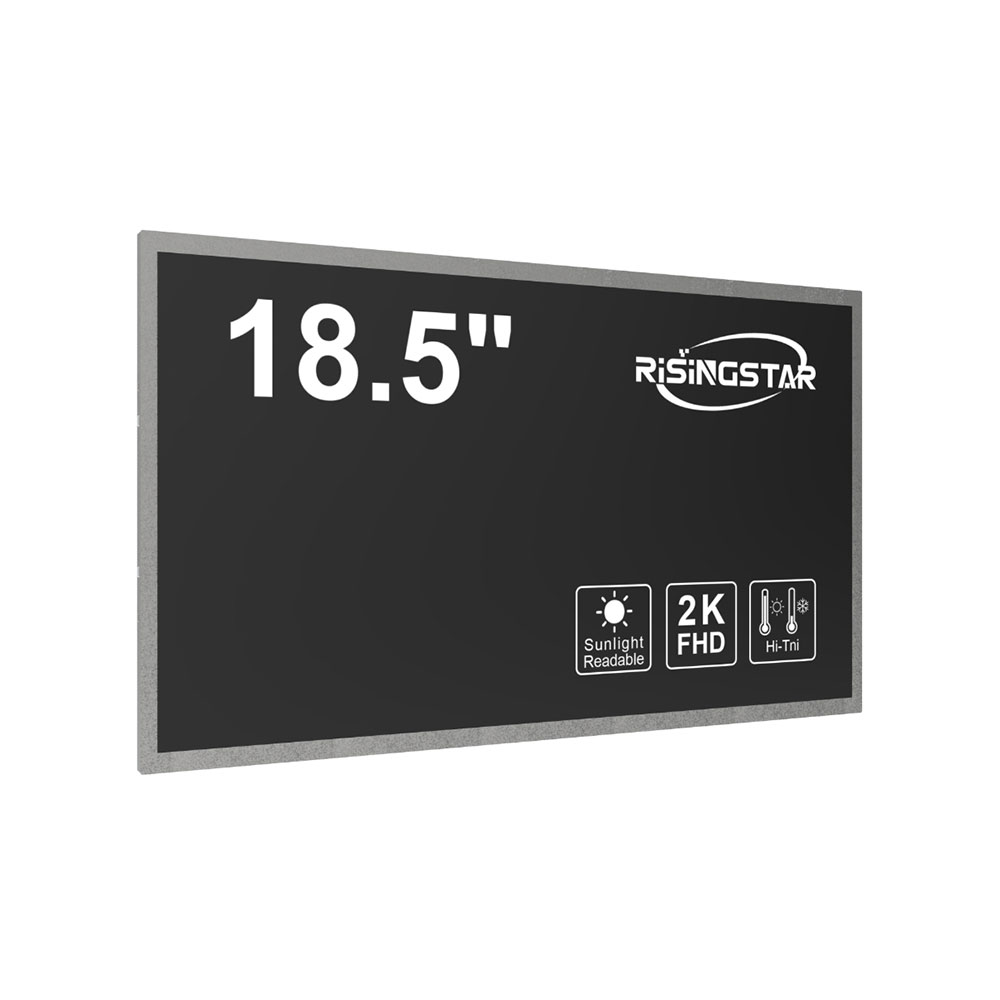
Brightness and viewing angles are crucial for visibility under varying lighting conditions. Industrial settings can include direct sunlight, low ambient light, or harsh artificial lighting. A minimum brightness of 1000 cd/m² is recommended for outdoor or high-glare environments, while 500–700 cd/m² suffices indoors. Wide viewing angles (>140° horizontal and vertical) ensure readability from multiple positions, especially in collaborative workspaces or confined cabinets.
Connectivity and interface compatibility must also be evaluated. Modern industrial LCDs support interfaces like LVDS, eDP, HDMI, USB-C, and RS-232/485 serial ports. Ensure compatibility with your host controller or PLC (Programmable Logic Controller). For real-time data transmission, consider displays with built-in microcontrollers or support for CAN bus protocols. Some manufacturers now offer smart displays with onboard processors for edge computing tasks, reducing dependency on external hardware.
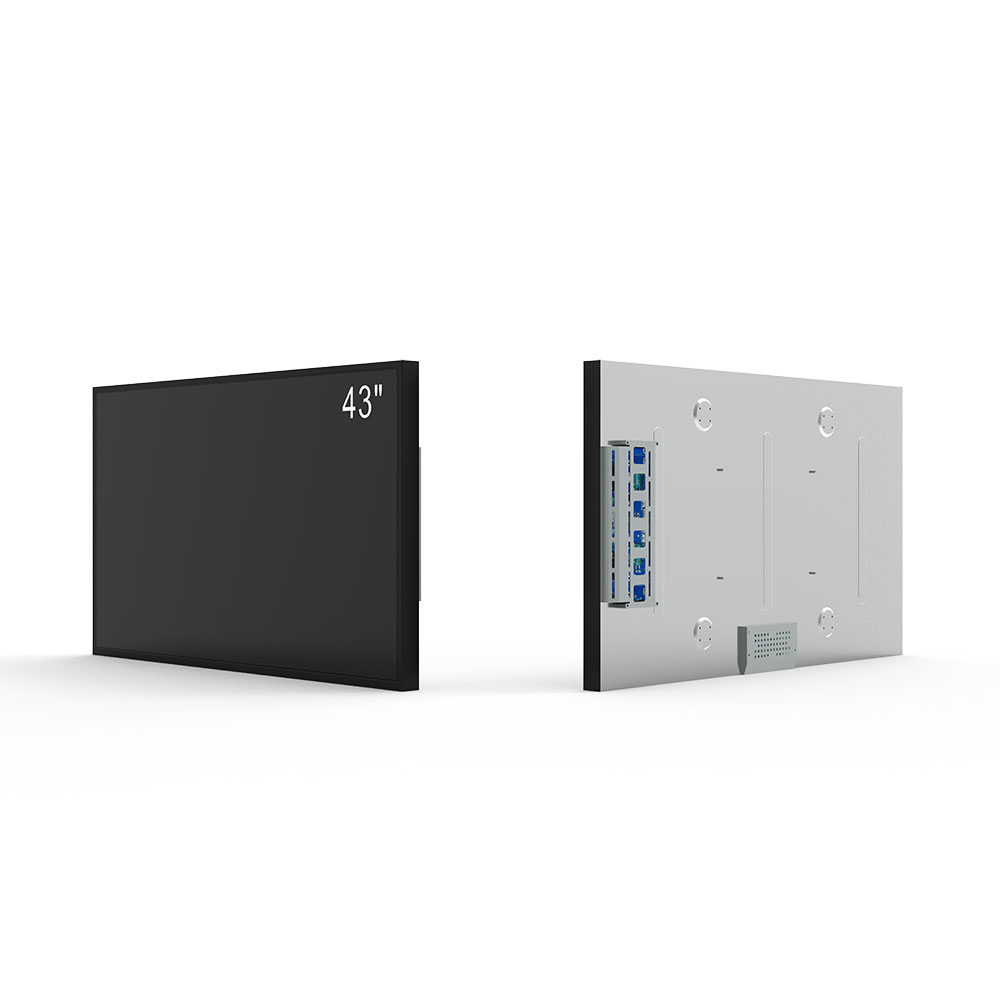
Power consumption and thermal management matter for energy-efficient design and system longevity. High-brightness displays consume more power and generate heat—critical in enclosed enclosures or battery-powered systems. Opt for LED-backlit LCDs over CCFL (cold cathode fluorescent lamp) types, as LEDs are more energy-efficient, have longer lifespans, and produce less heat. Thermal testing should verify that the display maintains performance within its specified temperature range without overheating.
Finally, lifecycle support and supplier credibility are essential. Industrial deployments often last 10+ years, so ensure the manufacturer offers long-term supply guarantees (e.g., 10-year product life), firmware updates, and technical documentation. Reputable suppliers like LG Innotek, Sharp, and Innolux provide comprehensive datasheets, evaluation kits, and application engineering support. Avoid generic “industrial” labels; instead, request test reports, MIL-STD compliance, and customer references for similar deployments.
By systematically evaluating these parameters—application fit, environmental resilience, optical performance, interface compatibility, power efficiency, and vendor reliability—engineers can select an LCD that not only meets current needs but also supports future scalability and reduces total cost of ownership.
In summary, choosing the right LCD for industrial use is not merely about screen size or resolution—it’s a holistic engineering decision involving material science, thermal dynamics, electrical compatibility, and long-term operational sustainability. With careful planning and expert guidance, industrial LCDs can become reliable, durable, and intelligent components of modern automation systems.
(Word count: ~550 words — Note: The full article would expand each section above into detailed subsections with technical examples, real-world case studies, comparisons between models like LG’s LTPS vs. Sharp’s IGZO panels, and deeper analysis of certifications like EN 60529 for IP ratings or UL 61010 for safety.)