
How to Choose the Right LCD Panel for Your Display Needs
When selecting an LCD panel for your display project—whether it's for consumer electronics, industrial equipment, or medical devices—it's essential to understand the key technical and performance factors that influence reliability, image quality, and long-term cost efficiency. The choice of LCD panel significantly impacts user experience, power consumption, durability, and compatibility with different operating environments.
First, consider the panel type—TN (Twisted Nematic), IPS (In-Plane Switching), VA (Vertical Alignment), and OLED. TN panels offer fast response times and are cost-effective but have limited viewing angles and color accuracy. IPS panels deliver superior color reproduction, wide viewing angles, and consistent brightness across angles—ideal for graphic design, photography, and professional monitors. VA panels strike a balance between contrast ratio and response time, often used in home entertainment systems. For high-end applications like smartphones and premium TVs, OLED provides deep blacks, infinite contrast, and flexible form factors, though at a higher cost.
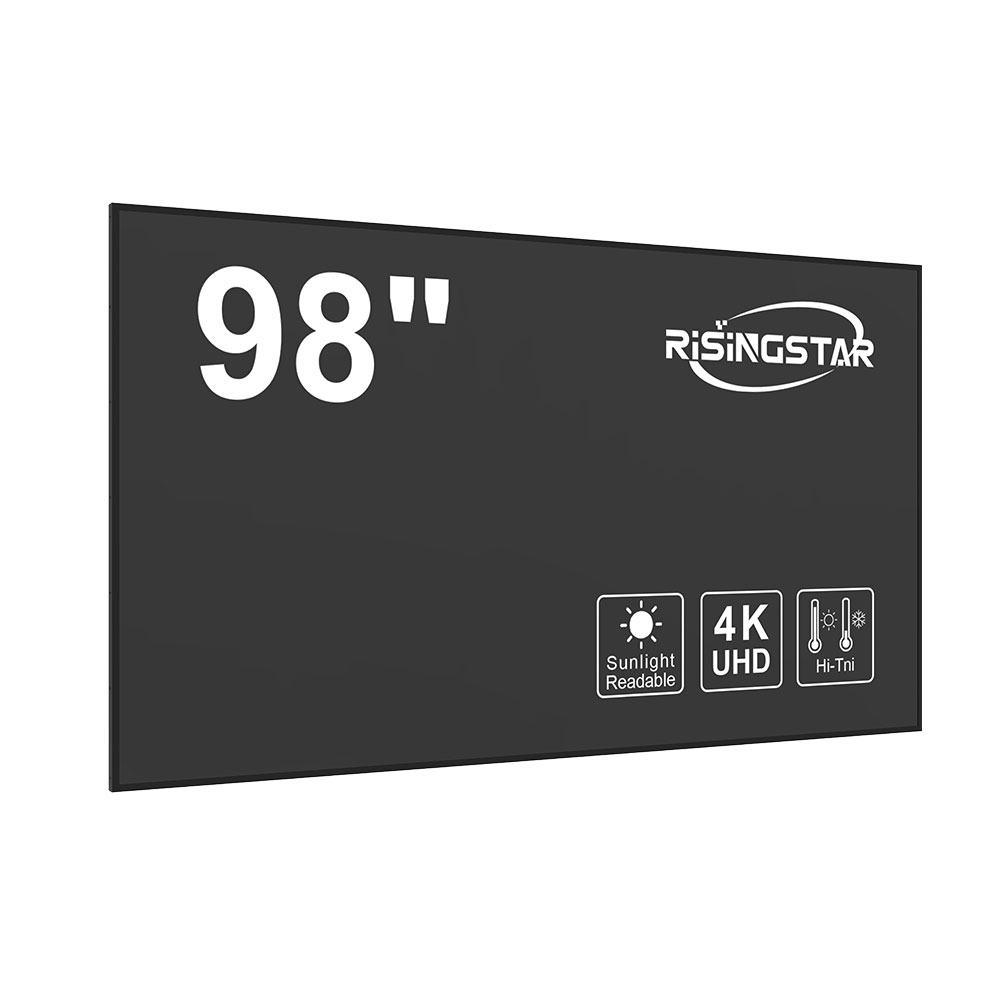
Next, evaluate resolution and pixel density. A 4K UHD (3840x2160) panel offers sharp detail on large screens, while 1080p is more than sufficient for smaller displays like tablets or dashboards. Pixel density (PPI—Pixels Per Inch) should match the intended viewing distance: 150–200 PPI is typical for handheld devices, whereas 70–100 PPI may suffice for digital signage.
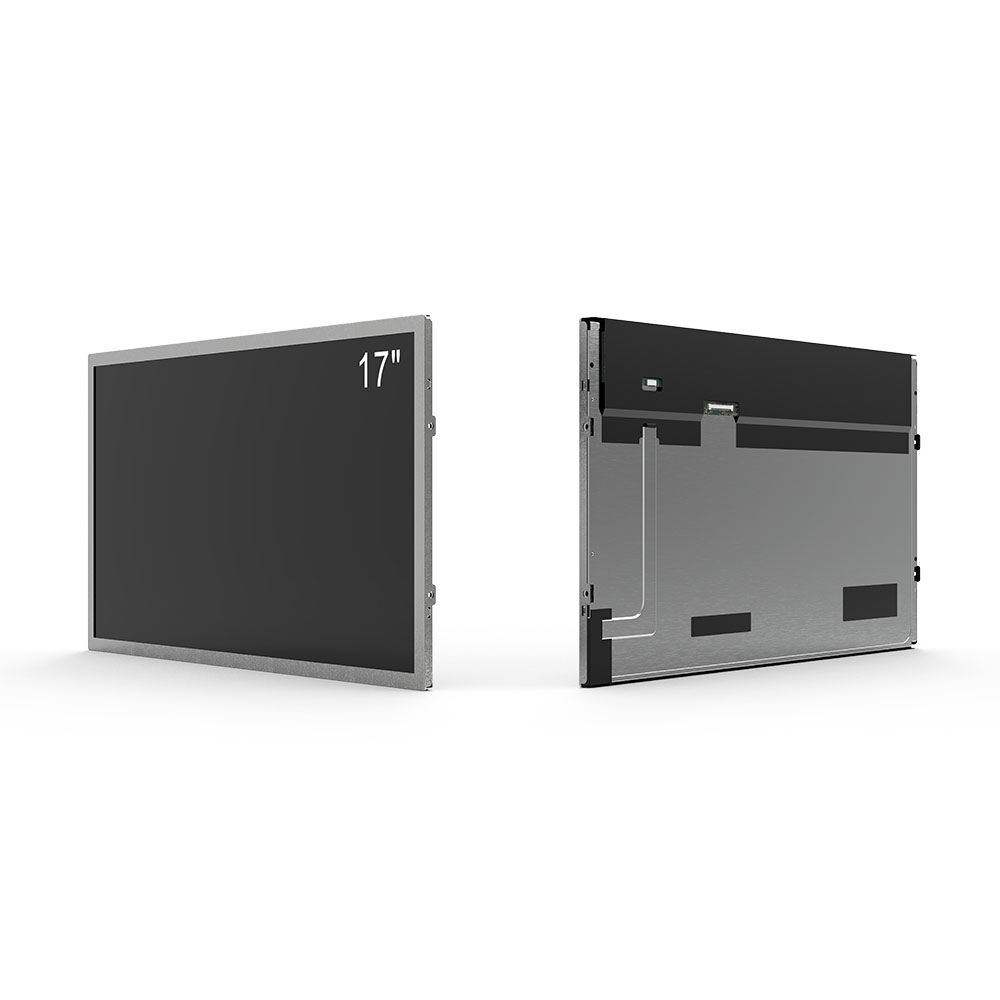
Brightness and contrast ratio are critical for visibility under varying lighting conditions. For outdoor use or bright indoor environments, aim for panels with at least 500 nits brightness; for office settings, 300–400 nits is adequate. High contrast ratios (e.g., 3000:1 or higher) enhance image depth, especially in dark scenes.
Environmental durability matters in industrial and automotive contexts. Look for panels rated for extended temperature ranges (-20°C to +70°C), resistance to humidity, vibration, and shock. MIL-STD-810G compliance or similar standards ensure robustness in demanding applications.
Lastly, consider power efficiency and refresh rate. Low-power panels reduce operational costs and extend battery life in portable devices. Refresh rates of 60Hz are standard, but 120Hz or higher provide smoother motion for gaming or video editing.
Leading manufacturers such as LG Display, BOE Technology, and AU Optronics offer certified panels tested for longevity, uniformity, and performance consistency. Always request sample units and conduct real-world testing before mass production to avoid costly redesigns. With the right selection process, you can ensure optimal visual performance, user satisfaction, and return on investment across diverse industries.
上一篇:How to Choose the Right LCD Display for Industrial Applications
下一篇:RisingStar LCD Display Solutions for Industrial and Consumer Applications