
Understanding LCD Panel Technology and Its Impact on Display Quality
LCD (Liquid Crystal Display) panels are the backbone of modern visual technology, powering everything from smartphones and laptops to televisions and industrial monitors. At their core, LCDs work by manipulating light through liquid crystals, which act as shutters to control the brightness and color of each pixel. Unlike OLED displays that emit light individually, LCDs rely on a backlight—typically LED-based—to illuminate the screen, making them more energy-efficient in certain applications while also offering excellent uniformity and longevity.
The quality of an LCD panel is determined by several factors, including resolution, contrast ratio, response time, and viewing angles. High-end panels used in professional-grade monitors often feature IPS (In-Plane Switching) technology, which provides wider viewing angles and more accurate color reproduction compared to older TN (Twisted Nematic) panels. Meanwhile, VA (Vertical Alignment) panels offer deeper blacks and higher contrast ratios, making them ideal for media consumption. The choice between these technologies depends on the intended use case—whether it's graphic design, gaming, or general office productivity.
Manufacturers like LG Display, BOE, and Sharp have invested heavily in improving panel manufacturing processes, leading to thinner bezels, reduced power consumption, and enhanced durability. For instance, recent advancements in Mini-LED backlighting have allowed LCDs to achieve near-OLED-like contrast levels without the high cost or burn-in risks. These innovations are especially relevant in the growing market for premium TVs and portable devices where display quality directly impacts user satisfaction.
Environmental resilience is another critical factor in LCD performance. Industrial-grade panels undergo rigorous testing under extreme temperatures, humidity, and vibration conditions to ensure reliability in harsh environments such as automotive dashboards, medical equipment, and outdoor signage. According to a 2023 report by Display Supply Chain Consultants (DSCC), over 75% of new LCD panels now meet MIL-STD-810G standards for environmental durability—a testament to their increasing robustness.
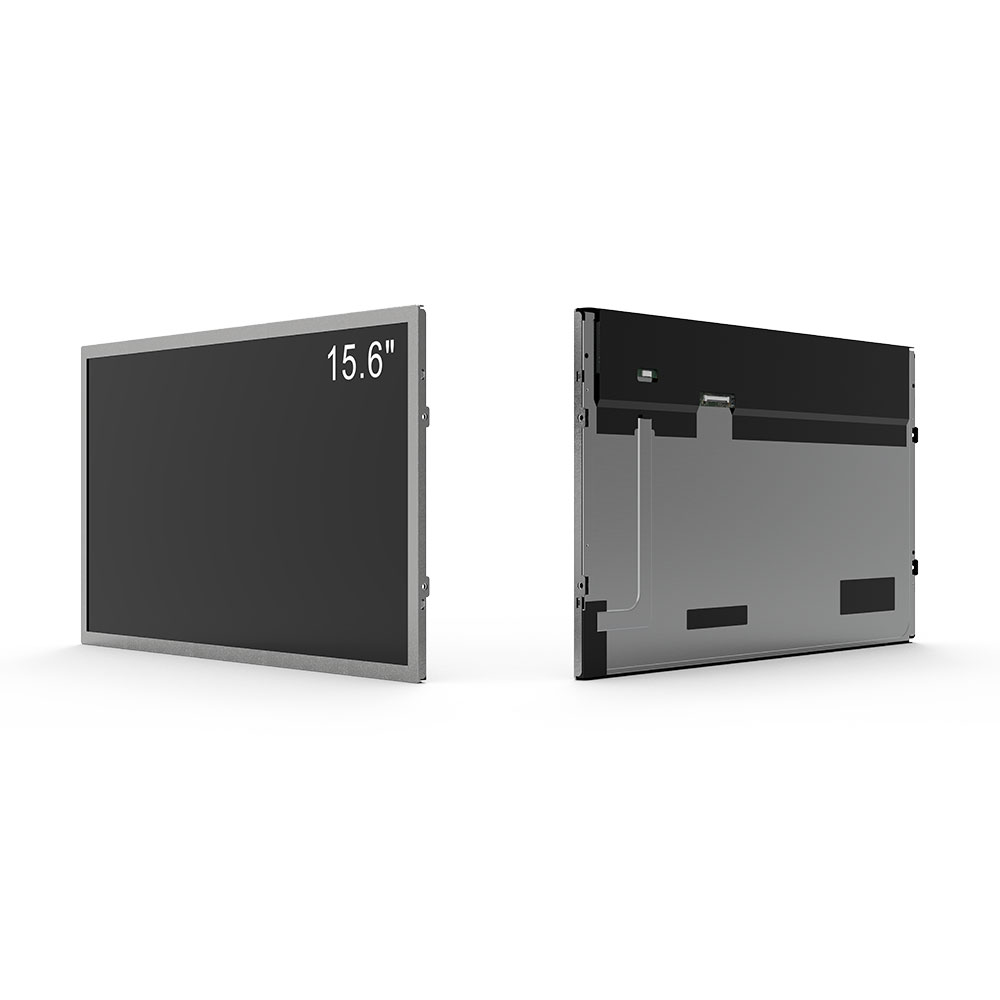
Ultimately, while OLED continues to capture headlines, LCD remains a dominant force due to its cost-effectiveness, scalability, and continuous innovation. Whether you're choosing a monitor for work or a TV for home entertainment, understanding the nuances of LCD panel technology empowers smarter purchasing decisions based on real-world performance rather than marketing claims.
上一篇:How to Choose the Right LCD Panel for Your Display Application
下一篇:Understanding LCD Display Technology and Its Applications in Modern Devices