
Outdoor Open Frame LCD Screen Manufacturing and Applications in Harsh Environments
Outdoor open frame LCD screens are essential components in modern industrial and commercial applications, especially where visibility under direct sunlight or extreme weather conditions is critical. Unlike traditional LCDs enclosed in protective casings, open frame displays are designed with minimal housing—typically just the LCD panel mounted on a metal frame—allowing for better thermal dissipation and easier integration into custom systems. These screens are commonly used in outdoor kiosks, digital signage, vending machines, traffic control systems, and construction site monitoring equipment.
Manufacturers specializing in outdoor open frame LCD screen factories often adhere to strict industry standards such as IP65 or higher for dust and water resistance, ensuring durability in rain, snow, or high humidity. Brightness levels typically exceed 5000 nits to maintain readability under bright daylight—a requirement that sets these displays apart from indoor models. Many leading producers also integrate anti-glare coatings, wide viewing angles (up to 178°), and ruggedized touchscreens (like capacitive or infrared) to enhance usability in dynamic environments.
A key advantage of working with an outdoor open frame LCD screen factory is customization. Whether it's a specific size like 15.6", 21.5", or even larger formats, manufacturers can tailor the display’s interface (e.g., HDMI, LVDS, or USB-C input), mounting options (VESA-compatible or DIN rail), and firmware features (like auto-brightness adjustment or remote diagnostics). This flexibility makes them ideal for OEM clients in sectors like agriculture automation, public transportation, and utility metering.
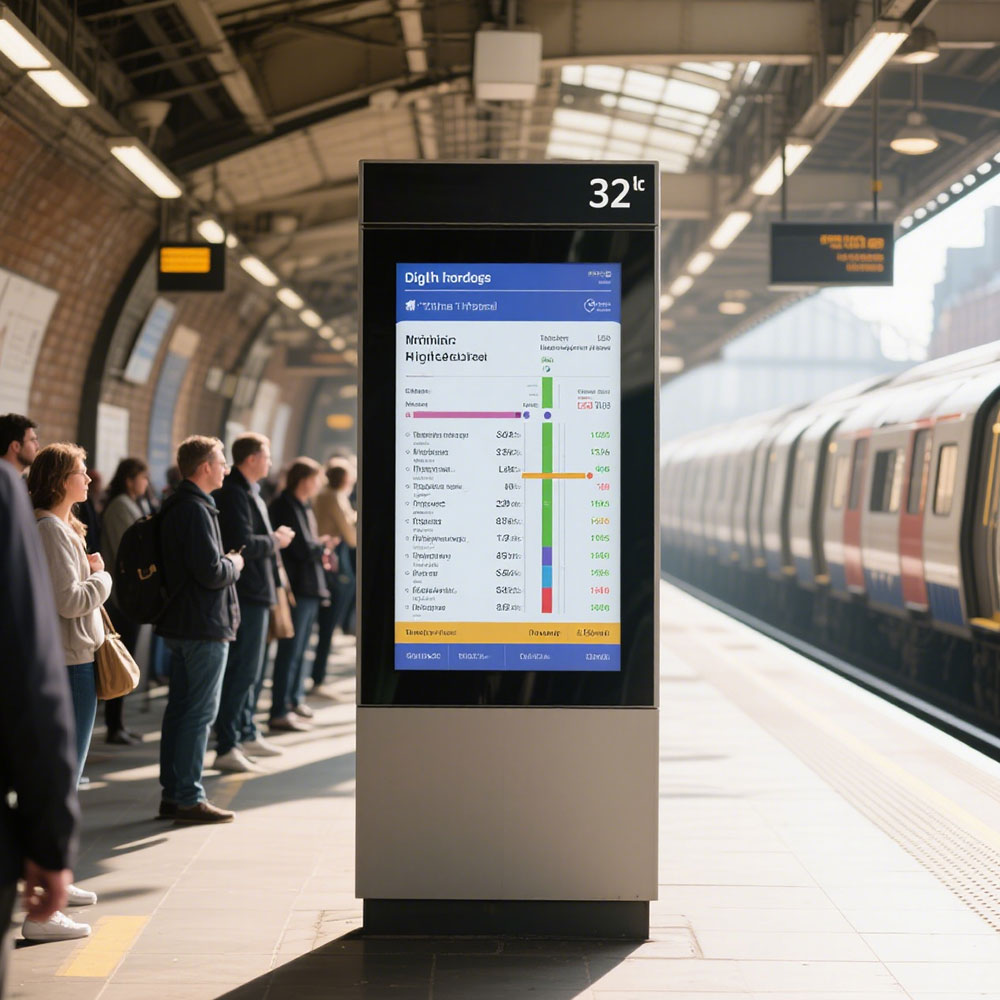
In recent years, demand has surged due to the rise of smart cities and IoT deployments. For example, a study by MarketsandMarkets (2023) projected a CAGR of over 9% in the global outdoor display market through 2028, driven largely by investments in intelligent infrastructure. Leading factories now offer ISO-certified production lines, rigorous environmental testing (including temperature cycling from -30°C to +70°C), and compliance with RoHS and CE regulations to ensure safety and sustainability.
Whether you’re deploying a solar-powered digital billboard in Dubai or a weatherproof touchscreen at a construction site in Norway, choosing a reputable outdoor open frame LCD screen manufacturer ensures long-term performance, reduced maintenance, and operational reliability—even in the harshest conditions.
上一篇:How to Choose the Right LCD Display for Industrial Applications
下一篇:LCD Screen Sizes and Aspect Ratios Explained for Modern Displays