
How to Choose the Right LCD Display for Industrial Applications
When selecting an LCD display for industrial applications, it is crucial to consider not only the screen size and resolution but also environmental resilience, power efficiency, and long-term reliability. Industrial environments—such as manufacturing floors, outdoor equipment, or medical devices—demand displays that can withstand extreme temperatures, vibration, dust, and moisture. Unlike consumer-grade LCDs designed for home use, industrial LCDs must meet stringent standards like IP65 for dust and water resistance, MIL-STD-810G for shock and vibration, and extended operating temperature ranges from -30°C to +70°C.
A common mistake in procurement is focusing solely on initial cost rather than total cost of ownership (TCO). While a cheaper 10.4-inch TFT-LCD might seem appealing, it could fail within two years under continuous high humidity or mechanical stress, leading to downtime, maintenance costs, and potential production loss. For example, in a study conducted by the IEEE Industrial Electronics Society (2023), over 40% of industrial display failures were attributed to poor environmental tolerance rather than component defects.
To ensure optimal performance, start by defining your application’s operating conditions. Is the display intended for indoor factory automation, outdoor utility meters, or harsh mobile machinery? Each scenario requires different specifications. For instance, outdoor applications demand sunlight-readable screens with brightness levels exceeding 3000 cd/m²—typically achieved using transflective or LED-backlit technologies. In contrast, indoor control panels may require lower brightness (500–1000 cd/m²) to reduce eye strain and energy consumption.
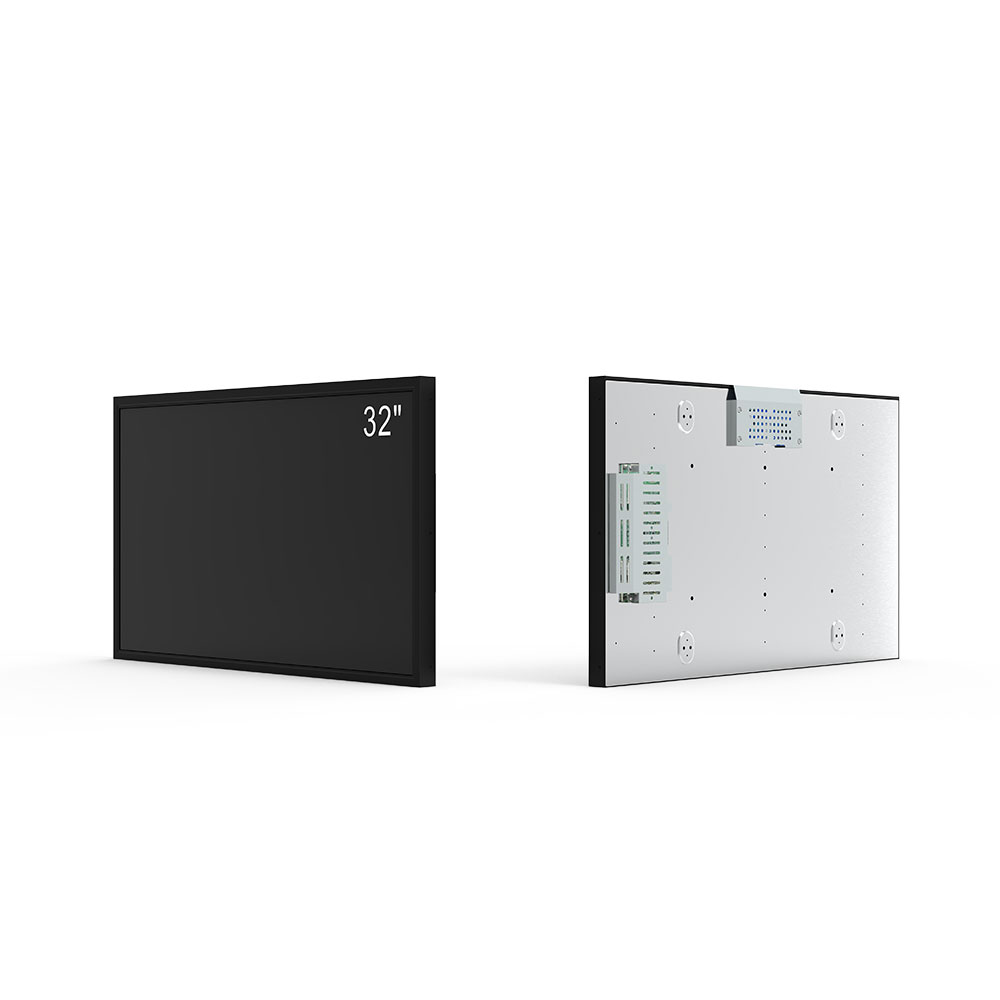
Next, evaluate display technology options. TN (Twisted Nematic) panels offer fast response times (1ms–5ms) and low cost but suffer from narrow viewing angles (<120°) and color shift at off-axis angles. IPS (In-Plane Switching) panels provide wider viewing angles (>170°), superior color accuracy, and better uniformity—ideal for human-machine interfaces (HMIs) where operators view the screen from multiple positions. VA (Vertical Alignment) panels offer higher contrast ratios (up to 3000:1) but slower response times (~15ms), making them less suitable for dynamic content.
Another critical factor is interface compatibility. Industrial systems often rely on legacy protocols such as LVDS, TTL, or RS-422. Newer displays may support HDMI or USB-C, but integration with existing PLCs (Programmable Logic Controllers) or embedded processors requires careful verification. Always request datasheets and reference designs from manufacturers like LG Display, BOE, or Sharp. Many industrial OEMs now offer modular display kits that include touch controllers, backlight drivers, and protective covers—reducing design complexity.
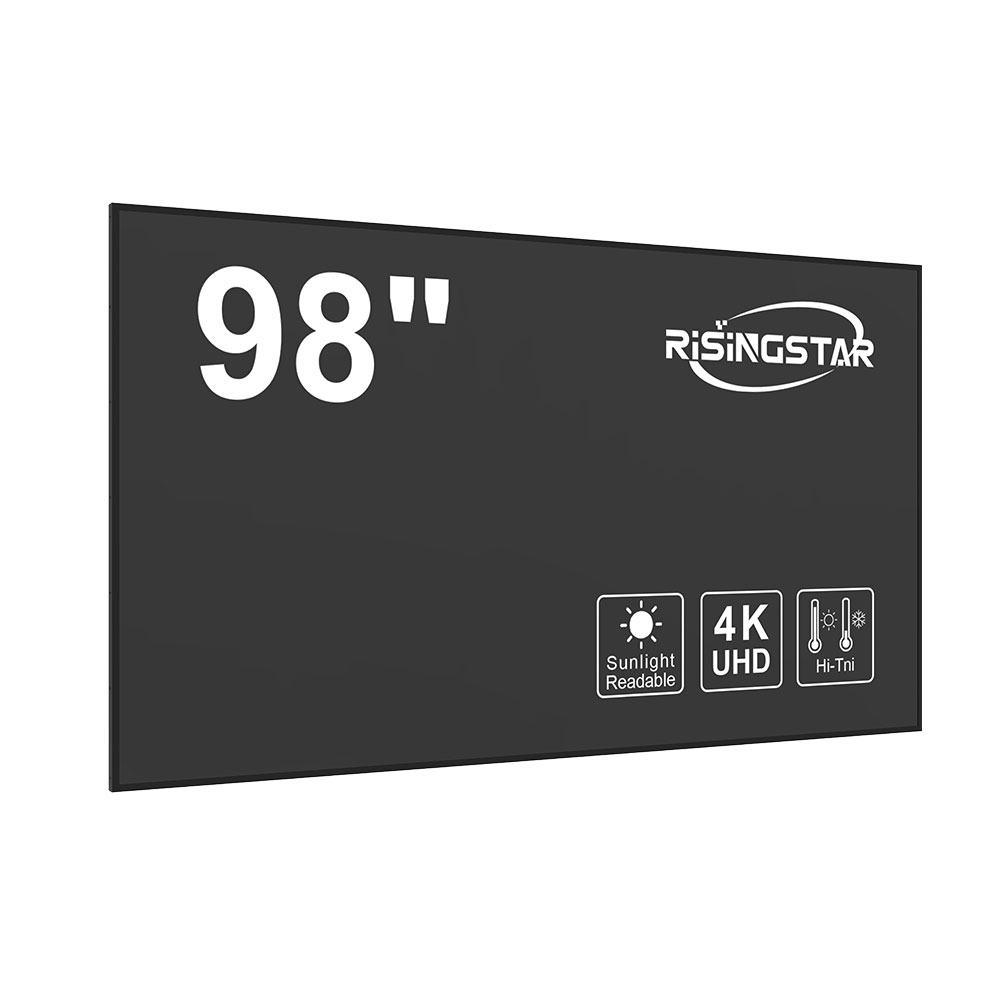
Touch functionality adds another layer of decision-making. Resistive touchscreens are durable and work with gloves or styluses but have lower sensitivity. Capacitive touchscreens offer smoother multi-touch gestures and better responsiveness but require bare fingers and are more susceptible to moisture damage. For hazardous environments, consider electrostatic discharge (ESD)-protected touch solutions certified to IEC 61000-4-2 Level 4 (contact discharge up to 8kV).
Power consumption matters especially in battery-powered or solar-rechargeable systems. OLED displays consume less power in dark scenes but degrade faster due to pixel burn-in. LCDs with LED backlights offer better longevity and consistent brightness across the panel. Energy-efficient models now feature adaptive brightness control based on ambient light sensors—a feature increasingly found in industrial tablets and ruggedized handhelds.
Finally, consider warranty, support, and lifecycle management. Leading industrial display suppliers offer 5–7 year warranties and end-of-life (EOL) notifications well in advance. This allows system integrators to plan replacements without disrupting operations. A recent case study from Siemens Digital Industries (2024) showed that using displays with built-in diagnostic tools reduced unplanned maintenance by 35%.
By following this structured approach—defining use case, evaluating technologies, verifying interfaces, assessing touch needs, managing power, and planning for lifecycle—you can select an LCD display that ensures both operational excellence and cost-effectiveness over time.
The future of industrial displays lies in smart integration: AI-driven calibration, predictive maintenance alerts via IoT connectivity, and customizable firmware for edge computing. As industries embrace Industry 4.0, choosing the right LCD is no longer just about visuals—it's about enabling intelligent, resilient, and sustainable operations.
For engineers and procurement managers, investing in thorough research upfront pays dividends in reduced downtime, improved user experience, and scalable system architecture. Whether deploying a single HMI unit or thousands of field devices, the principles outlined here apply universally across sectors—from automotive assembly lines to remote wind turbines.
This comprehensive guide aims to empower technical teams with actionable insights grounded in real-world data and industry best practices. The goal is clear: equip your industrial systems with displays that perform reliably under pressure—not just on paper, but in the field.
上一篇:How to Choose the Right LCD Display for Industrial Applications
下一篇:Outdoor Open Frame LCD Screen Manufacturing and Applications in Harsh Environments