
Understanding LCD Panel Quality: Key Factors for Choosing the Right Display
When selecting an LCD panel for consumer electronics, industrial applications, or medical devices, understanding the core quality factors is essential. Unlike older CRT displays, modern LCDs rely on precise manufacturing processes and component integrity to deliver consistent brightness, contrast, and color accuracy. One of the most critical aspects is the panel’s response time—typically measured in milliseconds (ms). Panels with response times under 5ms are ideal for fast-moving visuals such as gaming or video editing, while slower panels (15–30ms) may cause motion blur in dynamic content.
Another vital consideration is the type of backlighting used—LED, CCFL, or mini-LED. LED-backlit panels offer better energy efficiency and thinner form factors, making them standard in smartphones and laptops. Meanwhile, mini-LED technology, now widely adopted in premium TVs and monitors, provides superior local dimming and higher peak brightness levels. For example, Samsung’s Neo QLED and Apple’s Pro Display XDR both leverage mini-LED for enhanced visual fidelity.
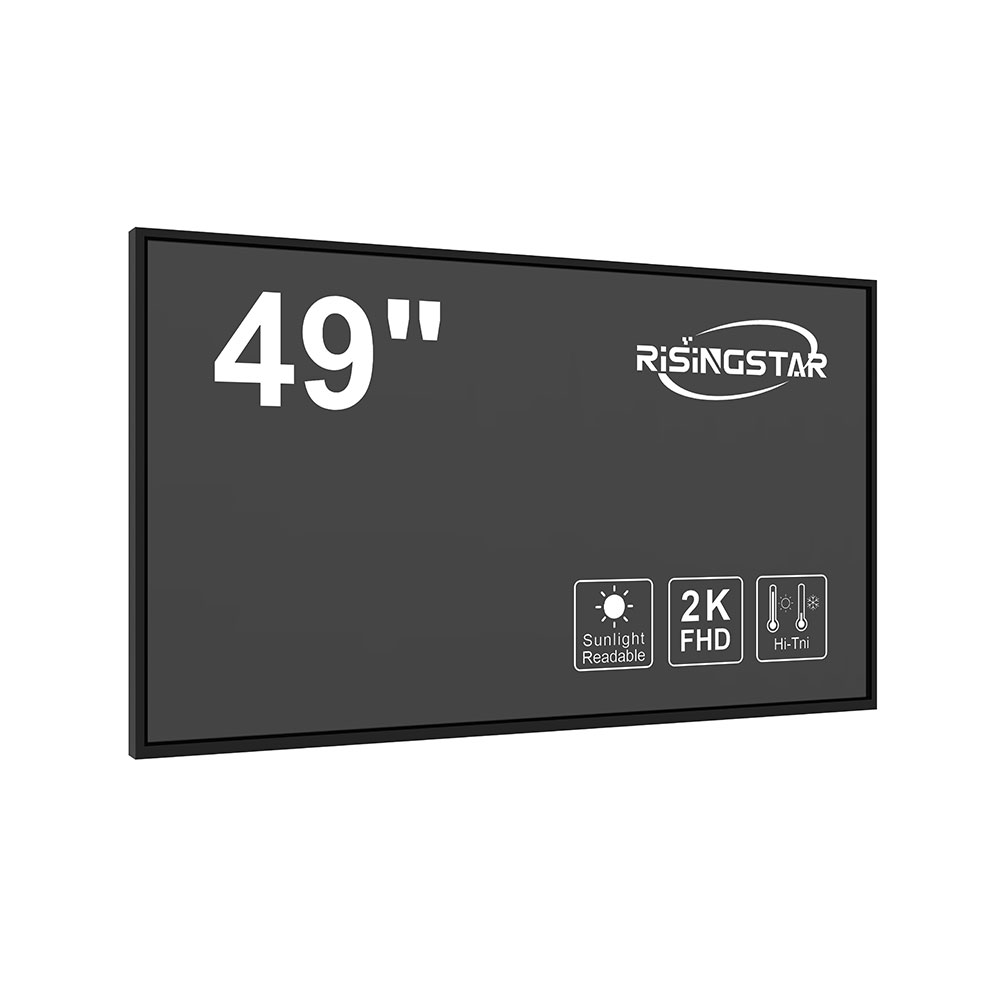
Color gamut and uniformity are equally important. Professional-grade displays often support DCI-P3 or Adobe RGB color spaces, ensuring accurate representation of images and videos. Uniformity tests—such as checking for backlight bleed or inconsistent brightness across the screen—are critical during quality control. Industry standards like ISO 9241-307 provide benchmarks for evaluating display performance in real-world conditions.
Environmental durability also matters. In industrial or outdoor settings, panels must withstand temperature extremes (-20°C to 60°C), humidity, and physical shock. Manufacturers like LG Display and BOE apply IP65-rated coatings and reinforced glass to meet these demands. Additionally, certifications like RoHS and CE ensure compliance with environmental and safety regulations.
Finally, user reviews and third-party testing from sources like DisplayMate, TFT Central, and TechPowerUp can validate manufacturer claims. Real-world performance, including long-term burn-in resistance and viewing angle stability, often reveals nuances that lab tests miss. By prioritizing response time, backlight type, color accuracy, durability, and independent validation, users can confidently choose an LCD panel tailored to their specific needs.
上一篇:How to Choose the Right LCD Panel for Industrial Equipment Applications
下一篇:How to Choose the Right LCD Panel for Industrial Applications