
LCD Display Technology in Modern Electronics Applications and Challenges
Liquid Crystal Display (LCD) technology remains a dominant force in modern electronics, from smartphones and televisions to automotive dashboards and medical monitors. Its widespread adoption stems from its energy efficiency, high-resolution capabilities, and cost-effectiveness compared to alternatives like OLED or micro-LED. LCDs work by manipulating light through liquid crystals, allowing precise control over pixel brightness and color using polarized filters and backlighting—typically LED-based for improved power efficiency.
Practical applications of LCDs are vast. In consumer electronics, LCDs enable vibrant, full HD displays on devices such as the Samsung Galaxy series and Apple iPad Pro. In industrial settings, ruggedized LCD panels are used in factory automation systems where reliability and temperature tolerance matter. Automotive manufacturers like Tesla and BMW integrate LCD clusters and infotainment screens that provide real-time vehicle diagnostics and navigation. Medical imaging equipment also relies on high-contrast LCDs for diagnostic accuracy, particularly in ultrasound and X-ray machines.
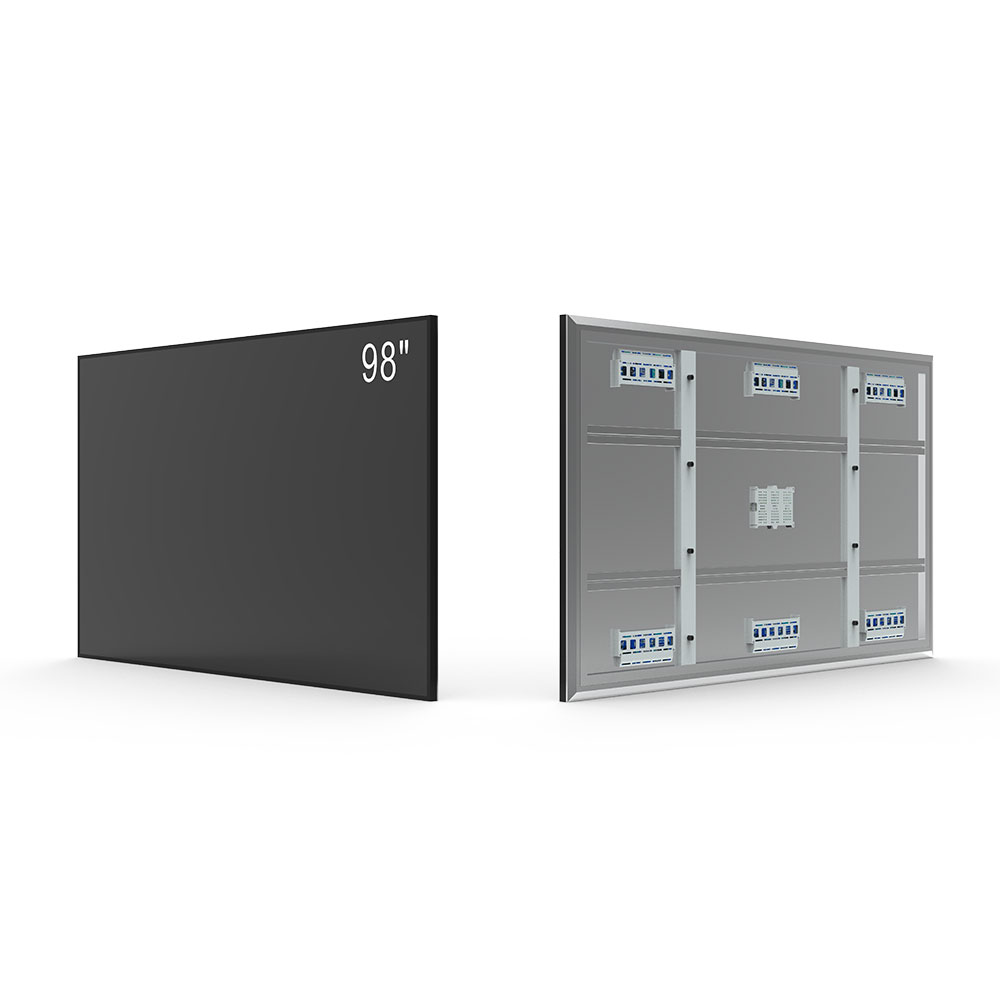
One of the key advantages of LCDs is their low power consumption—especially when using LED backlights—making them ideal for battery-powered devices. They also offer excellent color reproduction with wide viewing angles (especially with IPS technology), reducing eye strain during prolonged use. Additionally, LCD manufacturing processes have matured significantly, leading to lower production costs and faster scalability.
However, common problems persist. One major issue is limited contrast ratio compared to OLEDs, especially in dark scenes, due to backlight bleed. Another challenge is slower response times, which can cause motion blur in fast-paced content—a problem increasingly addressed through technologies like PWM dimming and overdrive circuits. Environmental concerns also arise from the use of rare earth elements in some LCD components and difficulties in recycling old panels.
The latest trends show a shift toward mini-LED and quantum dot LCDs, enhancing brightness and color accuracy without sacrificing cost benefits. According to a 2023 report by Omdia, mini-LED-backlit LCDs are expected to capture over 30% of the premium TV market by 2025. Meanwhile, AI-driven calibration tools are emerging to optimize display performance dynamically based on ambient lighting conditions—a feature now seen in flagship models from LG and Sony.
In conclusion, while newer display technologies gain traction, LCDs remain indispensable due to their versatility, reliability, and ongoing innovation. As manufacturers tackle legacy issues and adopt next-gen enhancements, LCDs will continue powering the future of visual interfaces across industries.
上一篇:How to Optimize LCD Manufacturing Efficiency with Advanced Quality Control Systems
下一篇:How to Choose the Right LCD Display for Industrial Applications