
Choosing the Right LCD Resolution for Your Display Needs
When selecting an LCD display for professional or consumer use, one of the most critical decisions is choosing the appropriate resolution. Today’s market offers a range of options, with 2K (2560 x 1440) and 4K (3840 x 2160) being the two most prominent standards. Both resolutions provide significantly sharper visuals than older HD or Full HD displays, but each has distinct advantages depending on the application.
For professionals in graphic design, video editing, and engineering, 4K resolution delivers exceptional clarity, enabling precise color grading, detailed image manipulation, and multi-tasking across multiple windows without loss of detail. According to a 2023 report by Display Supply Chain Consultants (DSCC), over 60% of high-end creative workstations now ship with 4K panels due to their superior pixel density and compatibility with modern content creation software. Additionally, 4K supports HDR (High Dynamic Range) formats commonly used in cinema and broadcast, making it ideal for media production environments.
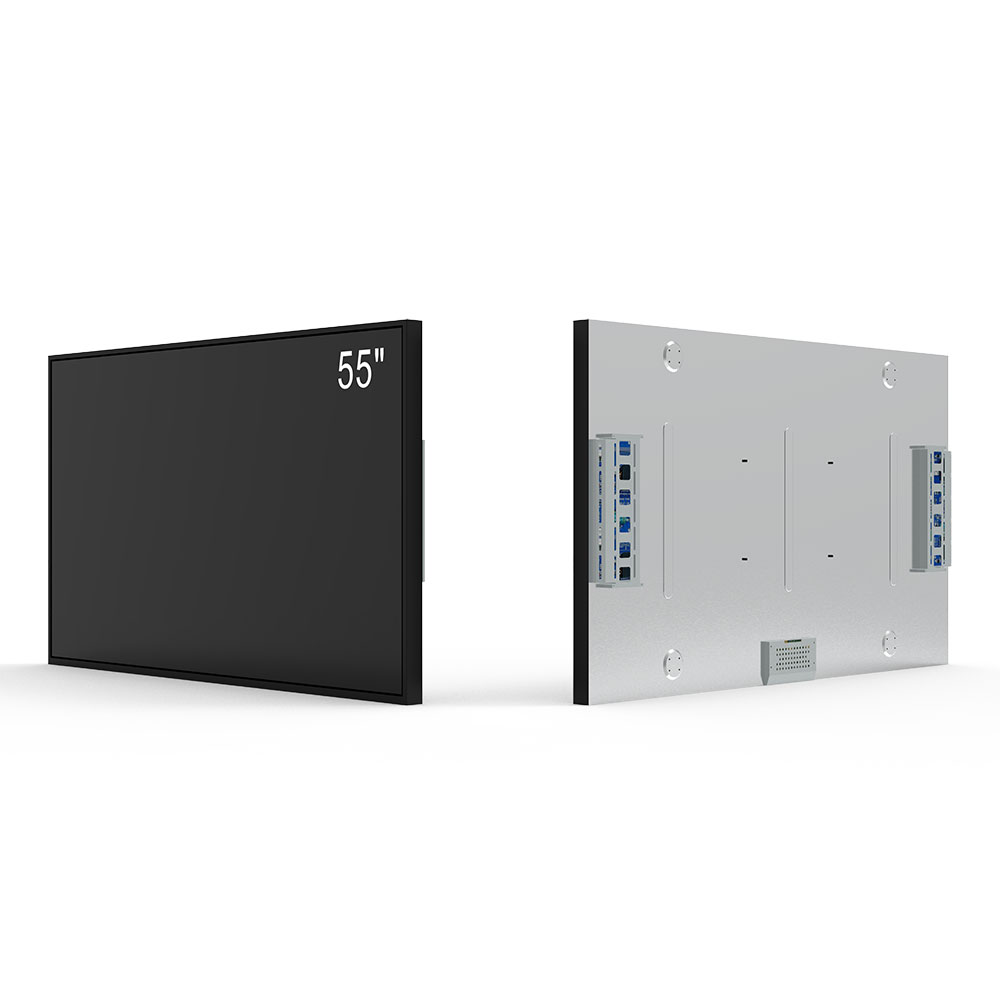
On the other hand, 2K resolution strikes a compelling balance between performance and affordability. It provides a noticeable upgrade from Full HD (1920 x 1080) while maintaining better GPU compatibility and lower power consumption—key factors for users working with laptops, budget desktops, or embedded systems. For example, Dell’s UltraSharp U2723QE and LG’s 27UK850-W are popular 2K monitors praised by reviewers for excellent color accuracy and ergonomic design, especially among remote workers and students.
Both resolutions benefit from advanced panel technologies like IPS (In-Plane Switching), which ensure wide viewing angles and consistent color reproduction—a must for collaborative settings. In industrial applications such as medical imaging or control rooms, 4K is often preferred for its ability to render complex data at scale. However, in gaming or casual home entertainment, 2K can offer smoother frame rates at higher refresh rates (e.g., 144Hz), especially when paired with mid-range GPUs like the NVIDIA RTX 3060 or AMD RX 6600.
Ultimately, the choice between 2K and 4K should align with your specific needs: prioritize 4K for professional workflows requiring maximum detail and future-proofing; opt for 2K when balancing cost, performance, and energy efficiency. Always consider screen size—larger displays (27”+) benefit more from 4K, while smaller screens may appear equally sharp at 2K.
上一篇:How to Choose the Right LCD Display for Industrial Applications
下一篇:Advanced LCD Manufacturing Techniques for High-Performance Displays