
How to Choose the Right LCD Display for Industrial Applications
When selecting an LCD display for industrial applications, engineers and procurement teams must consider several critical factors that go beyond basic screen size and resolution. Industrial environments—such as manufacturing floors, outdoor equipment, and medical devices—demand displays that are not only clear and responsive but also rugged, reliable, and compliant with environmental standards.
First, evaluate the operating temperature range. Industrial-grade LCDs typically support extended temperature ranges—from -20°C to 70°C or even wider—to ensure consistent performance in harsh conditions like freezing warehouses or hot factory floors. For example, LG Display’s industrial-grade panels (e.g., LTPS-10.4” series) are rated for -30°C to 80°C, making them ideal for extreme climates.
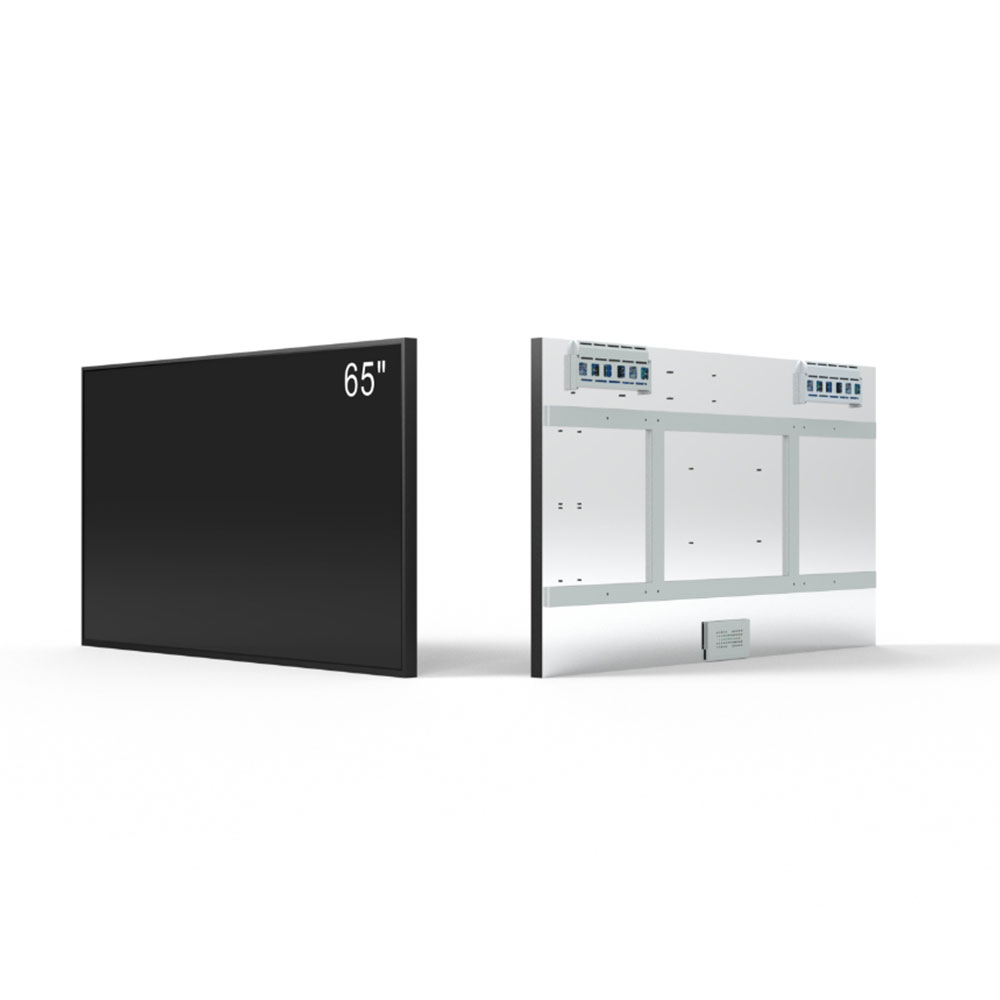
Second, consider brightness and contrast. High-brightness displays (over 1000 nits) are essential for outdoor use or well-lit environments where ambient light can wash out standard screens. Samsung’s XE series of industrial LCDs offers up to 3000 nits, which is critical for solar-powered monitoring systems in remote locations.
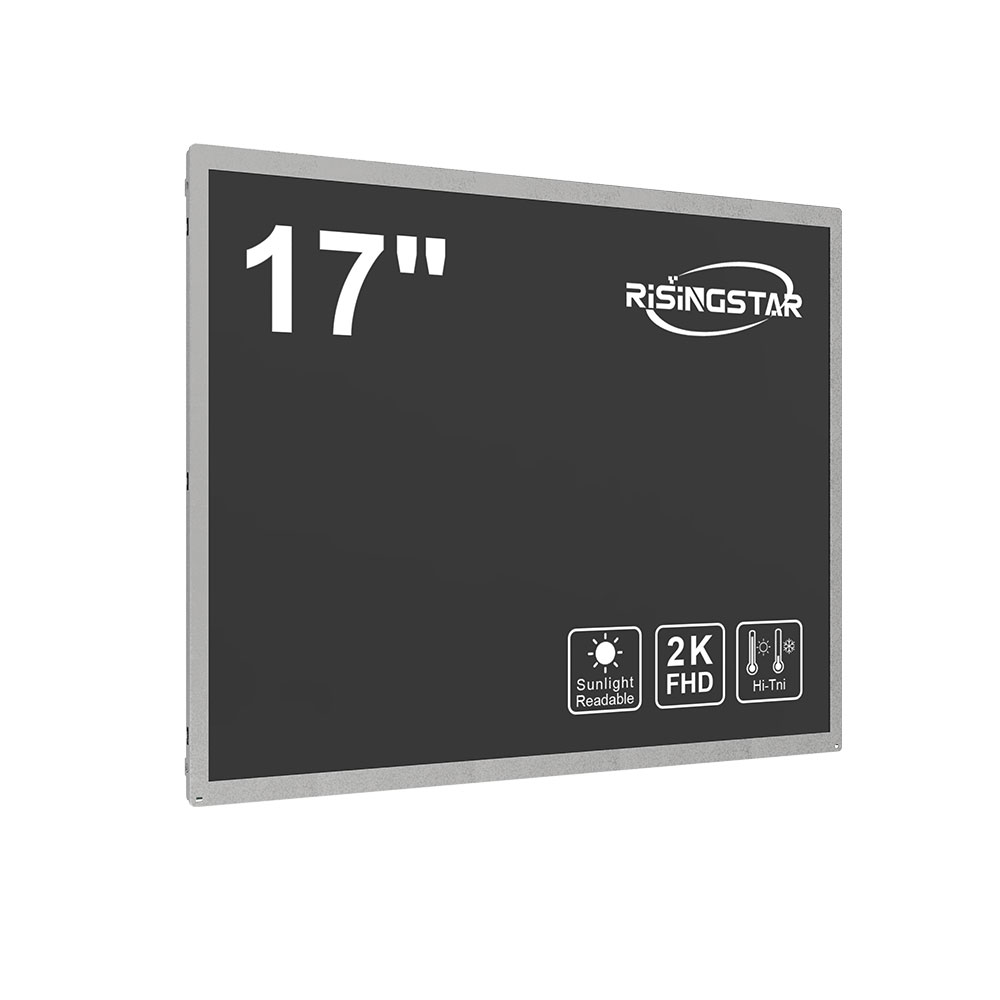
Third, look for durability metrics such as IP ratings (Ingress Protection). An IP65 rating ensures protection against dust and water jets—vital for machinery in wet or dusty settings. Sharp’s 15.6” industrial panel (model AQUOS 156D) has an IP67 rating, meaning it’s submersible up to 1 meter for 30 minutes, a key feature for food processing plants.
Fourth, power efficiency matters. Low-power LCDs reduce operational costs and heat generation, especially in battery-powered devices. OLED-based solutions (like those from BOE) offer better contrast and lower power draw than traditional TN or IPS panels, though they may come at a higher initial cost.
Fifth, compliance with industry standards such as IEC 60068 (environmental testing), MIL-STD-810G (military-grade durability), and ISO 16750 (automotive electronics) adds trustworthiness. Displays used in automotive dashboards or aviation controls must meet these certifications.
Finally, consider long-term availability and supplier support. Industrial projects often span years, so choosing suppliers with a proven track record—like Innolux or AU Optronics—ensures you won’t face obsolescence issues mid-project.
By prioritizing these five criteria—temperature tolerance, brightness, durability, power efficiency, and compliance—you can select an LCD that delivers both performance and longevity in demanding industrial settings.
上一篇:How to Choose the Right LCD Display for Industrial Applications
下一篇:How to Choose the Right LCD Panel for Your Display Needs