
Understanding LCD Panel Technology in Modern Display Manufacturing
LCD panel technology remains a cornerstone of modern display manufacturing, powering everything from smartphones and televisions to industrial monitors and automotive dashboards. With over 80% of global flat-panel displays still relying on liquid crystal technology, understanding how LCD panels function is essential for engineers, designers, and procurement professionals in the electronics industry.
At its core, an LCD panel consists of a layer of liquid crystals sandwiched between two polarizing filters and glass substrates. When an electric current passes through the thin-film transistor (TFT) array on the substrate, it aligns the liquid crystals to either block or allow light from a backlight source—creating the image you see. The precision of this alignment determines pixel clarity, contrast ratio, and response time.
Recent advancements in IPS (In-Plane Switching), VA (Vertical Alignment), and OLED hybrid technologies have pushed LCD performance closer to that of OLEDs while maintaining cost advantages. For instance, LG Display’s latest IPS panels offer 1ms response times and 99% sRGB color gamut coverage, making them ideal for gaming and professional design work. Meanwhile, Samsung’s VA panels provide high contrast ratios (up to 3000:1), enhancing visual depth in home theater setups.
Environmental factors such as temperature and humidity also impact LCD performance. According to the IEC 60068-2 standards, LCD panels must be tested under extreme conditions—from -20°C to +70°C—to ensure reliability in diverse environments. Many manufacturers now incorporate moisture-resistant coatings and anti-reflection layers to improve durability in humid or outdoor settings.
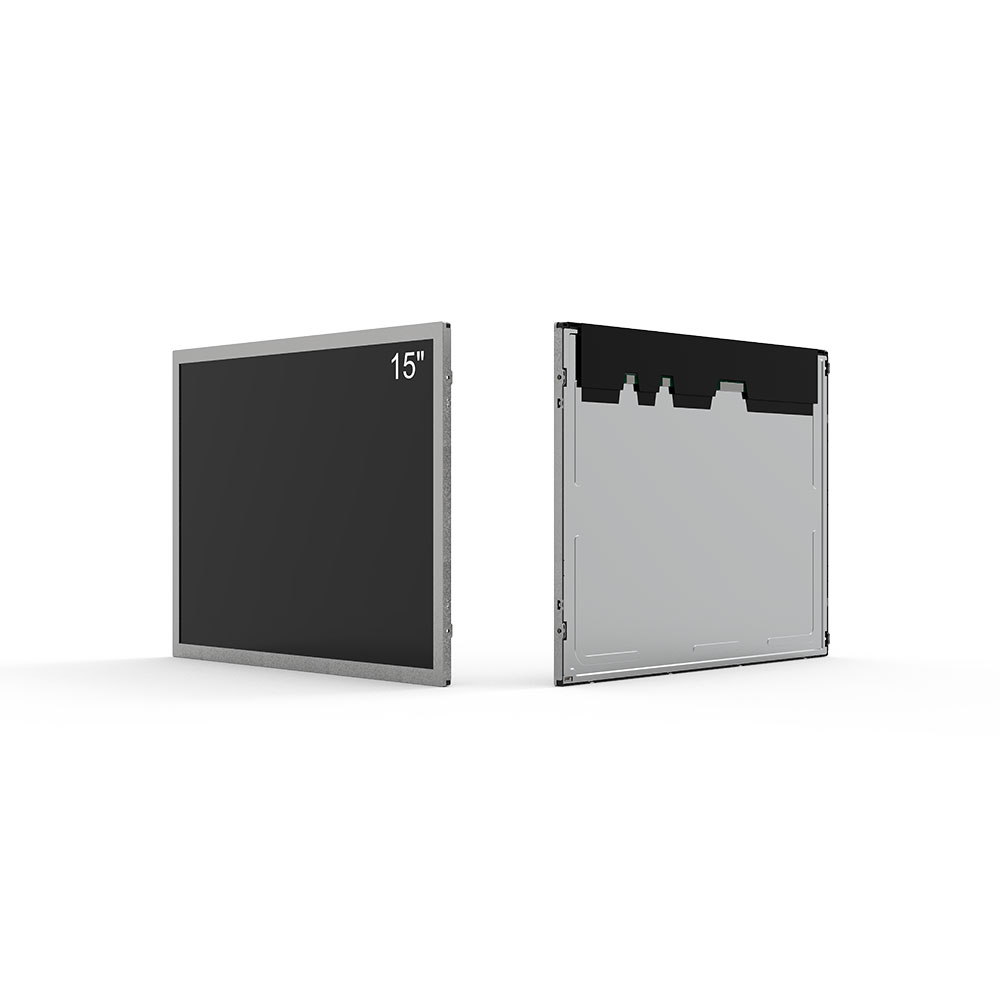
From a manufacturing standpoint, yield rates for high-resolution LCD panels (4K and above) have improved significantly due to automated optical inspection systems and defect detection algorithms powered by AI. Industry reports from Omdia show that leading factories like BOE and AU Optronics now achieve over 95% yield on 1080p panels, down from just 70% a decade ago.
Ultimately, LCD technology continues to evolve—not as a legacy system but as a mature, adaptable platform optimized for energy efficiency, longevity, and scalability. Whether used in consumer electronics or industrial applications, understanding LCD panel specifications, environmental resilience, and production trends ensures better product decisions and long-term value.
上一篇:IK10 LCD Display Technology: Performance, Reliability, and Applications in Modern Electronics
下一篇:How to Achieve IP66 Waterproofing in LCD Displays for Industrial Applications