
LCD Display Sizes and Aspect Ratios Explained for Modern Applications
In today’s rapidly evolving digital landscape, LCD (Liquid Crystal Display) technology remains a cornerstone of visual communication across industries—from consumer electronics to industrial automation. Among the most critical specifications influencing display selection is the aspect ratio, with 16:9 being the dominant standard for modern screens. This ratio ensures optimal compatibility with high-definition content such as 1080p, 4K, and beyond, making it ideal for monitors, laptops, TVs, and signage.
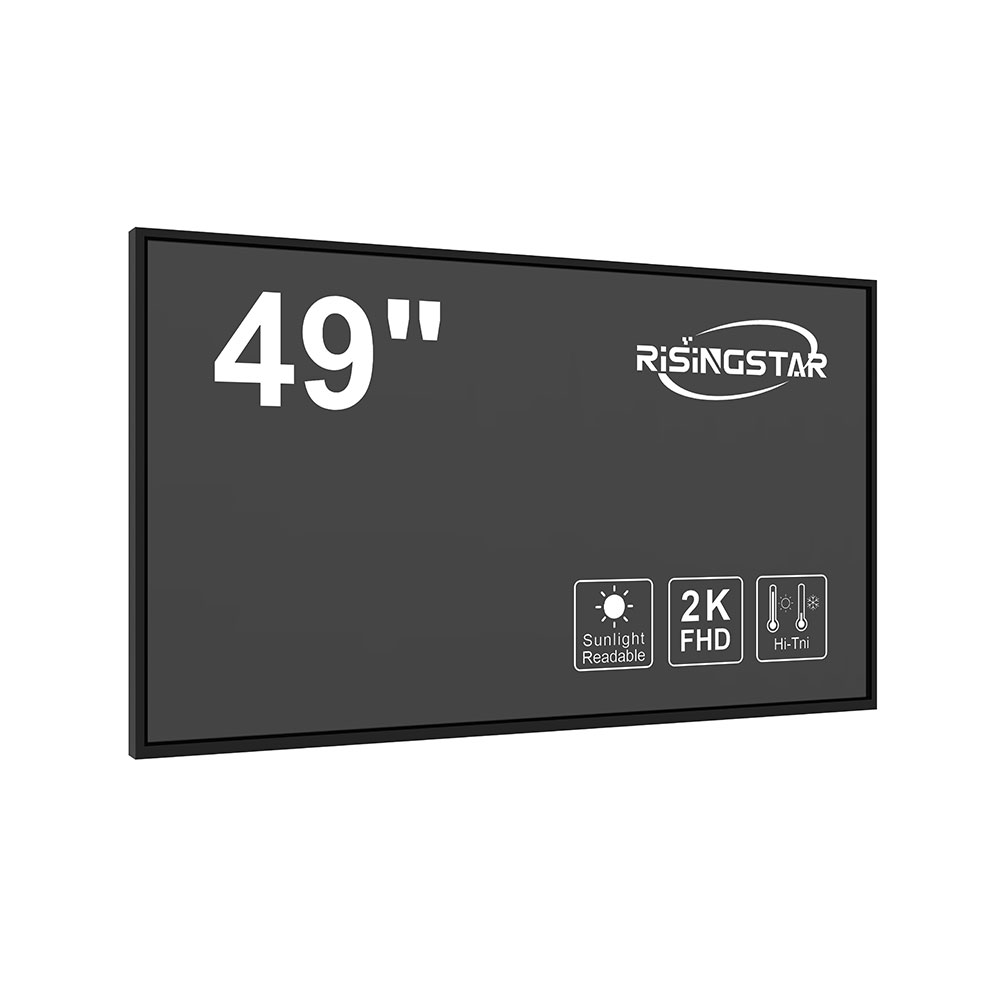
Common LCD screen sizes in the 16:9 format include 10.1", 13.3", 15.6", 18.5", 21.5", 23.8", 27", 32", 43", 46", 49", 55", 65", 75", 86", 98", and 110". Each size caters to distinct use cases. For example, 10.1" and 13.3" displays are commonly found in portable devices like tablets and ultrabooks, offering portability without sacrificing clarity. In contrast, 21.5" to 27" monitors dominate office environments due to their balance of screen real estate and ergonomics. Larger formats—such as 43" to 110"—are typically used in commercial settings including retail kiosks, digital signage, and command centers where immersive visuals are essential.
Manufacturers often optimize these displays for specific applications. Industrial-grade 18.5" and 21.5" units may feature ruggedized housings, wide temperature tolerance, and extended MTBF (Mean Time Between Failures), while consumer-oriented 55" and 65" models emphasize HDR support, wide color gamuts, and smart connectivity (e.g., HDMI 2.1, USB-C). According to a 2023 report by Statista, over 60% of global LCD shipments in 2023 were 16:9 aspect ratio displays, underscoring its dominance. Moreover, OLED and Mini-LED variants now supplement traditional LCDs in premium segments, enhancing contrast and brightness without altering the 16:9 standard.
When selecting an LCD, it's crucial to consider not just physical dimensions but also resolution, refresh rate, brightness, and viewing angles. For instance, a 27" 16:9 monitor at 1440p resolution offers excellent detail for design work, whereas a 55" 4K TV delivers cinematic immersion. Regardless of size, the 16:9 aspect ratio continues to serve as the gold standard for consistency, compatibility, and future-proofing across professional and personal use.

上一篇:Choosing the Right Display Resolution for Your LCD Panel Needs
下一篇:How to Choose the Right LCD Display for Industrial Applications