
How to Choose the Right LCD Display for Industrial Applications
Selecting the appropriate LCD display for industrial applications requires a thorough understanding of environmental conditions, operational demands, and technical specifications. Unlike consumer-grade displays, industrial LCDs must withstand extreme temperatures, vibrations, humidity, and prolonged usage without degradation in performance. A critical first step is identifying the operating environment—whether it's a factory floor, outdoor surveillance system, or medical equipment—since each scenario imposes different stress factors. For example, an LCD used in a steel mill must resist temperatures ranging from -30°C to 70°C, while one in a pharmaceutical lab may require resistance to chemical vapors and sterile cleaning protocols.
Next, evaluate brightness levels (measured in nits) and contrast ratios. Industrial environments often involve ambient light challenges; therefore, displays with at least 1000 nits of brightness are recommended for outdoor or high-glare settings. Contrast ratios above 1000:1 ensure legibility under varying lighting conditions. Additionally, consider the viewing angle—wider angles (178° horizontal/vertical) improve usability in multi-user setups such as control panels or assembly lines.
Durability is another key factor. Look for displays with IP65 or higher ingress protection ratings to prevent dust and water damage. MIL-STD-810G certification indicates military-grade durability against shock, vibration, and temperature cycling, making it ideal for mobile or ruggedized systems. The display’s backlight technology also matters—LED-backlit units offer longer lifespan (typically 50,000+ hours) and better power efficiency than CCFL alternatives.
For longevity and maintainability, choose displays from manufacturers offering long-term supply stability and robust support documentation. Renesas, Sharp, and LG Display are known for their industrial-grade panels, with models like the Sharp LQ128M1LG41 and LG LP121WX2-LE1 widely used in automation and transportation sectors. User reviews from platforms like Digi-Key and Mouser highlight reliability in harsh conditions, particularly when paired with proper thermal management solutions such as heatsinks or fans.
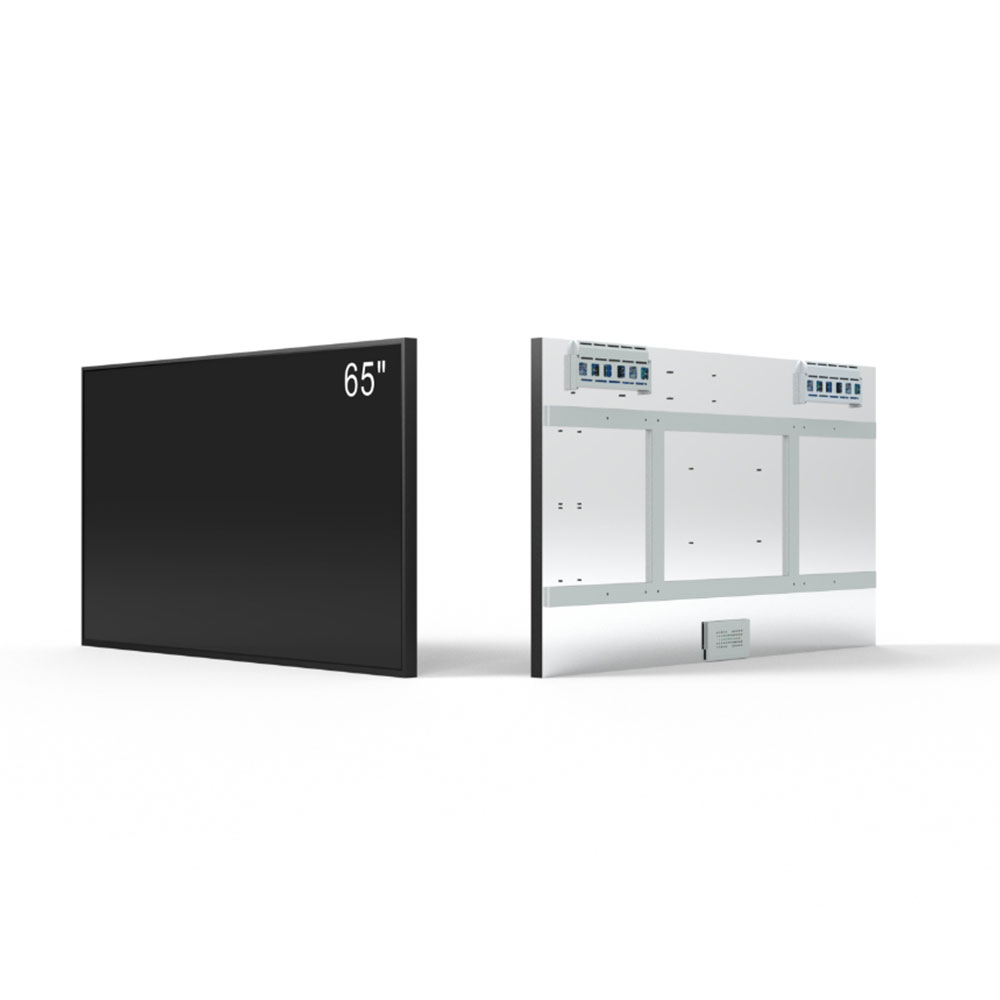
Lastly, integrate the display into a comprehensive system design—consider signal compatibility (LVDS, MIPI, HDMI), mounting options, and ease of integration with existing control systems. By aligning these technical parameters with real-world application needs, engineers can avoid costly failures and ensure optimal performance across the product lifecycle.
上一篇:LCD显示屏制造工艺全流程详解:从原材料到成品的科学之道
下一篇:How LCD Technology Is Revolutionizing Display Solutions in Modern Devices