How to Choose the Right LCD Display for Industrial Applications
Selecting the appropriate LCD display for industrial applications requires a thorough understanding of both technical specifications and environmental conditions. Unlike consumer-grade displays, industrial LCDs must operate reliably in extreme temperatures, high humidity, mechanical stress, and electromagnetic interference (EMI). According to a 2023 report by MarketsandMarkets, the global industrial LCD market is projected to grow at a CAGR of 6.8% through 2028, driven by increasing automation in manufacturing, energy, and transportation sectors.
Key factors to consider include brightness levels—typically ranging from 1,500 to 3,000 nits for outdoor or high-glare environments—and contrast ratios exceeding 1000:1 for clear image visibility under various lighting conditions. For example, the Sharp LH-43F70A, widely used in control panels, offers 2,500 nits brightness and wide viewing angles (178° horizontal/vertical), making it ideal for rugged settings like oil rigs or mining equipment.
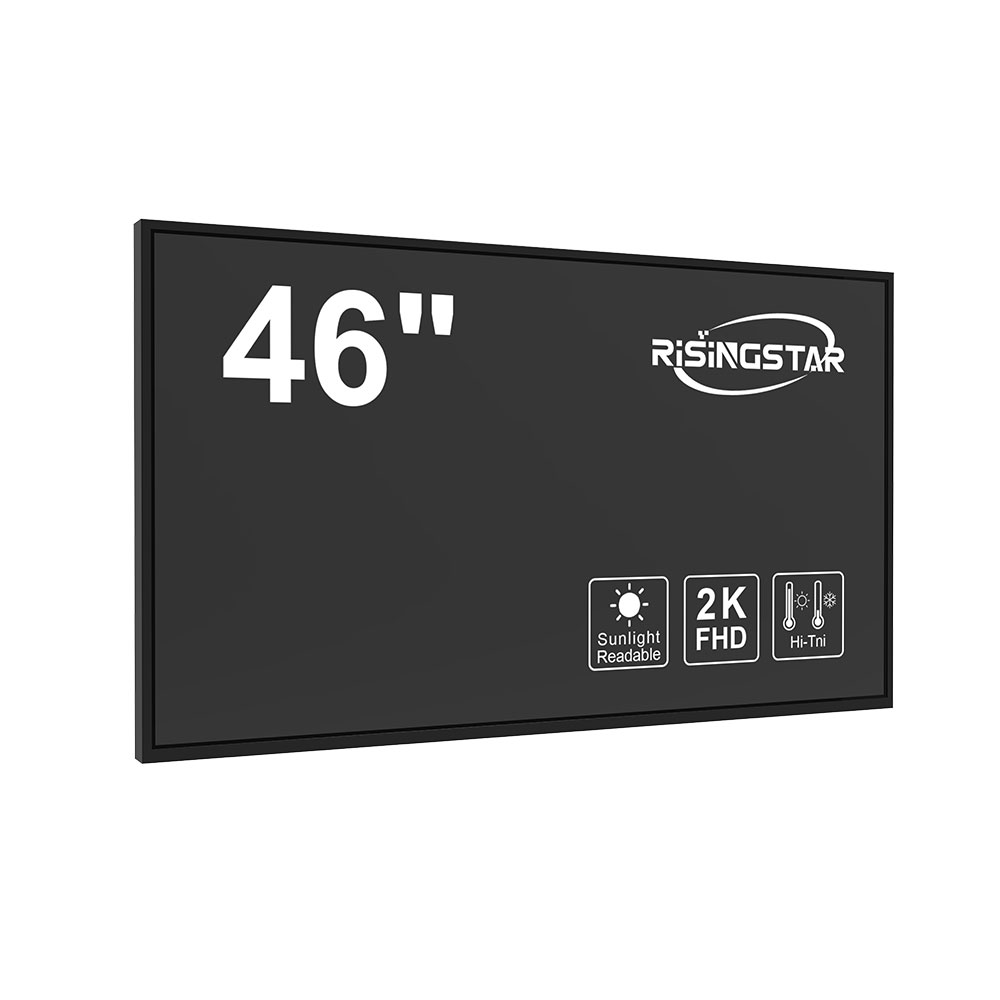
Additionally, IP ratings such as IP65 or IP67 are essential for dust and water resistance, especially in food processing or chemical plants. Displays with anti-glare coatings, touch capabilities (e.g., glove-compatible capacitive touch), and long operational lifespans (over 50,000 hours) further enhance usability. Thermal management is also critical—industrial LCDs often feature passive cooling designs or built-in heat sinks to prevent overheating in confined spaces.
Manufacturers like LG Display, AU Optronics, and Innolux offer certified industrial-grade panels compliant with ISO 9001 and IEC 60068 standards. These certifications ensure consistency in performance, durability, and safety. Moreover, customer feedback from engineering forums and platforms like Digi-Key or Mouser Electronics consistently highlights reliability under prolonged use and minimal maintenance needs.
Ultimately, selecting an industrial LCD involves balancing cost, performance, and application-specific requirements—not just raw specs. Whether for factory automation, medical imaging, or military equipment, choosing the right display can significantly reduce downtime and improve system efficiency.