
LCD Display Sizes and Aspect Ratios Explained for Modern Applications
In today’s digital landscape, LCD (Liquid Crystal Display) technology continues to dominate the market for monitors, televisions, and industrial displays due to its energy efficiency, clarity, and cost-effectiveness. One of the most critical design parameters in selecting an LCD is the display ratio—specifically, the 16:9 aspect ratio, which has become the industry standard for widescreen content. This ratio aligns perfectly with modern video formats such as HD (1280x720), Full HD (1920x1080), and 4K Ultra HD (3840x2160).
Common LCD screen sizes that utilize the 16:9 ratio include 10.1 inches (often found in portable devices like tablets), 13.3 inches (laptops), 15.6 inches (standard laptop and desktop monitor size), 18.5 inches (budget-friendly desktops), 21.5 inches (popular in office setups), 23.8 inches (ideal for multitasking), 27 inches (a sweet spot for productivity and gaming), 32 inches (home entertainment and mid-range workstations), 43 inches (mid-sized TV), 46 inches (larger living room TVs), 49 inches (high-end home theater), 55 inches (premium home cinema), 65 inches (cinema-quality viewing), 75 inches (commercial or large-scale installations), 86 inches (corporate boardrooms), 98 inches (ultra-large commercial displays), and even up to 110 inches for specialized applications like retail and command centers.
The adoption of 16:9 across these sizes ensures compatibility with streaming platforms (Netflix, YouTube), productivity software (Microsoft Office, Adobe Creative Suite), and gaming ecosystems (Steam, Xbox, PlayStation). Moreover, this uniformity simplifies content creation and ensures consistent user experience regardless of device size. For instance, a 27-inch 16:9 monitor provides a comfortable workspace for designers, while a 65-inch 16:9 TV delivers immersive visuals for movies and sports.
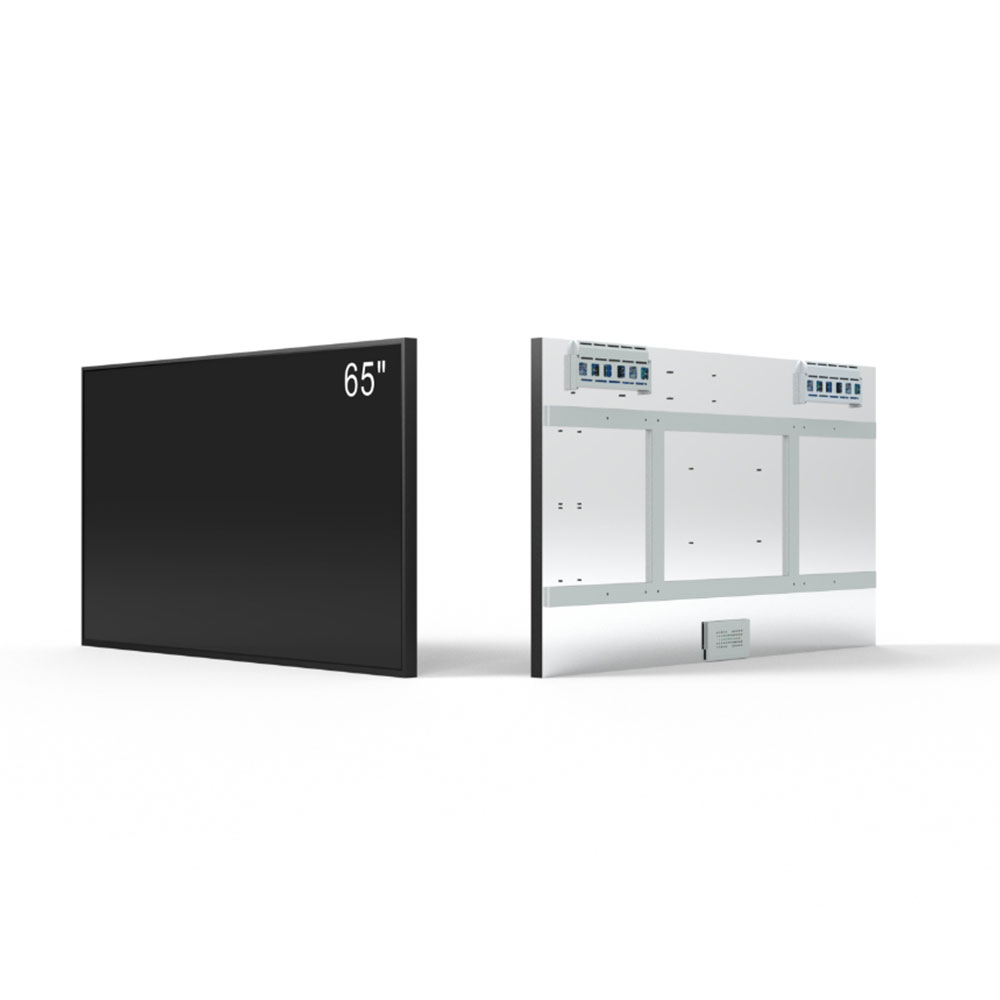
Manufacturers like LG, Samsung, Dell, and ASUS produce high-quality panels using IPS, TN, and VA technologies—all optimized for the 16:9 format. These panels are rigorously tested for color accuracy, brightness (measured in nits), contrast ratios, and response times (e.g., 1ms–5ms for gaming). Environmental factors such as ambient light and viewing angles also influence performance, especially in larger screens (above 43 inches).
For businesses deploying LCD displays, choosing the right size based on the 16:9 ratio can significantly impact operational efficiency, employee satisfaction, and customer engagement. Whether it’s a 13.3-inch laptop for remote workers or a 98-inch panel in a retail kiosk, the 16:9 ratio remains the foundation of modern visual communication.