
How to Choose the Right LCD Panel for Your Display Needs
When selecting an LCD panel for your display project—whether it's for consumer electronics, industrial equipment, or medical devices—it's crucial to understand the key factors that influence performance, durability, and cost. The right choice ensures optimal image quality, energy efficiency, and long-term reliability.
The first step in choosing an LCD panel is determining the application. For example, a smartphone screen requires high resolution, fast response time (typically under 1ms), and low power consumption. In contrast, a factory control monitor might prioritize ruggedness, wide temperature tolerance, and sunlight readability. Understanding your use case helps narrow down the options between TN (Twisted Nematic), IPS (In-Plane Switching), VA (Vertical Alignment), and OLED technologies.
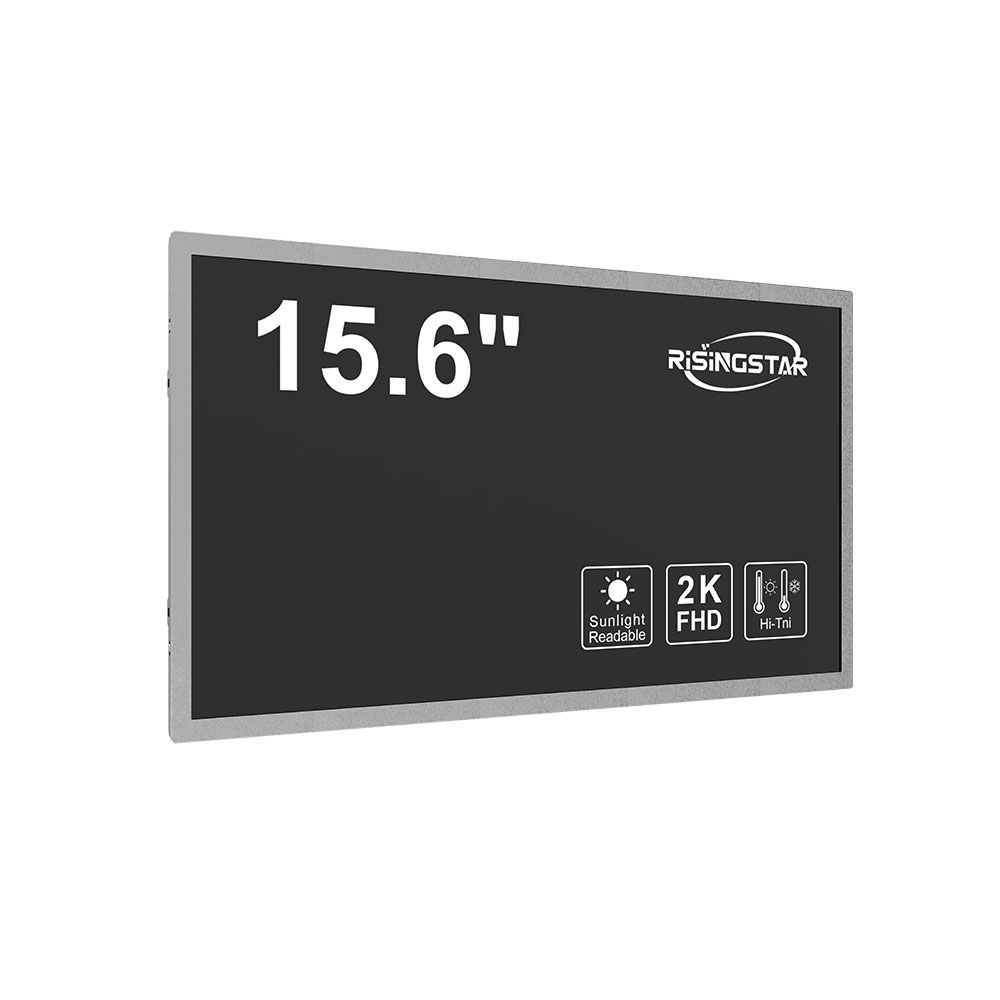
Next, evaluate technical specifications such as resolution (e.g., Full HD, 4K), brightness (measured in nits), contrast ratio, color gamut (sRGB, DCI-P3), and viewing angles. For instance, IPS panels offer superior color accuracy and wide viewing angles (up to 178°), making them ideal for professional design work. VA panels provide excellent contrast ratios but may suffer from slower response times compared to IPS. Meanwhile, TN panels are cost-effective and fast, but often compromise on color depth and viewing angles.
Environmental conditions also matter. If the device will operate in extreme temperatures—from -20°C to 60°C—the panel must be rated for such ranges. Industrial-grade LCDs undergo rigorous testing per standards like IEC 60068 for thermal shock, vibration, and humidity resistance. Additionally, consider certifications like RoHS compliance and energy efficiency ratings (e.g., ENERGY STAR) for regulatory and sustainability goals.
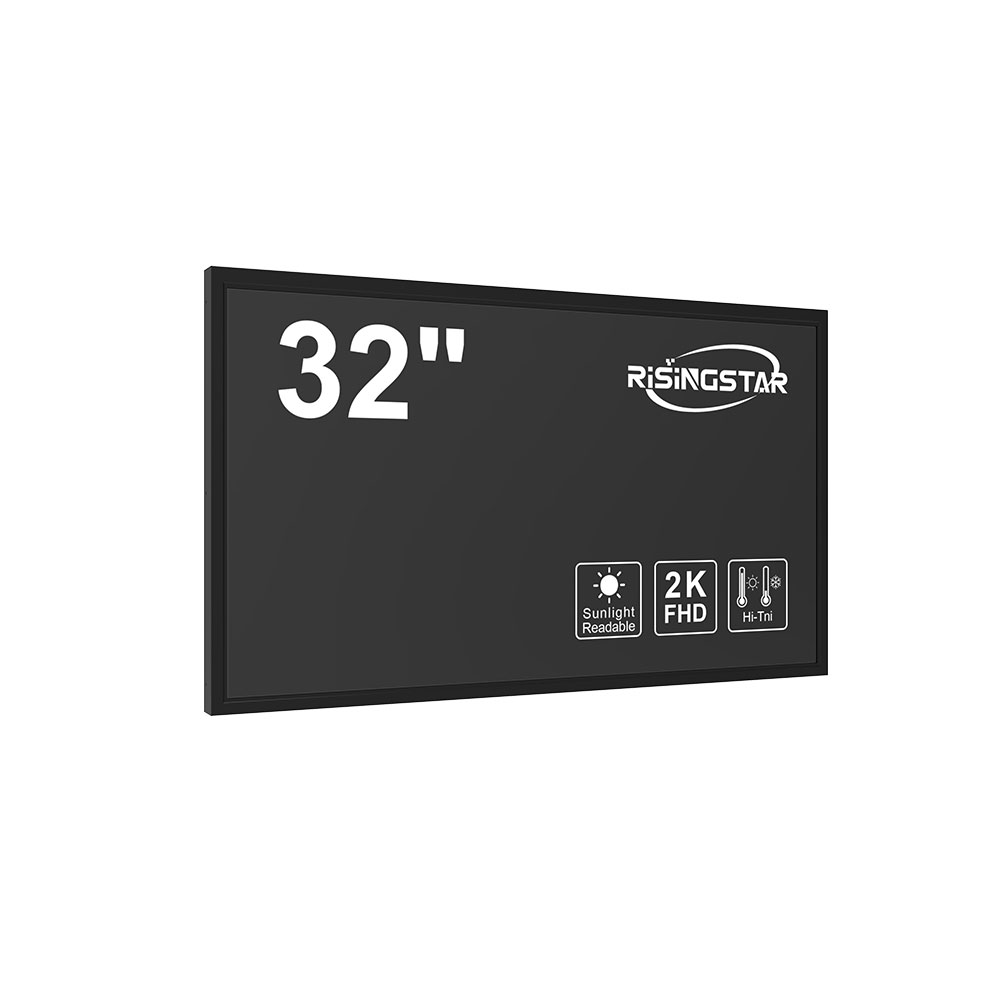
Finally, validate vendor credibility by reviewing real-world performance data, customer feedback, and warranty terms. Reputable manufacturers like LG Display, Samsung Display, and BOE Technology provide detailed datasheets and reference designs. Case studies from companies like Siemens and Philips show how proper panel selection improves product lifecycle and reduces maintenance costs.
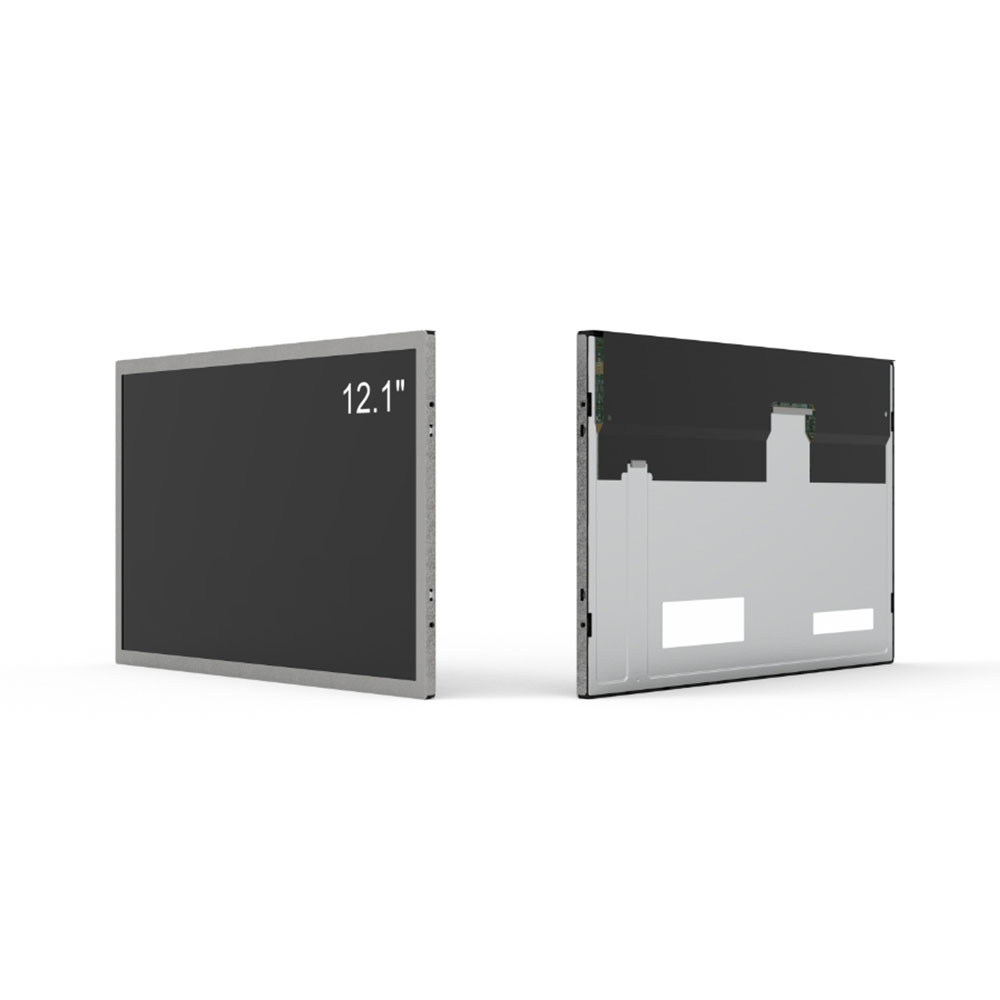
Choosing the right LCD panel isn’t just about specs—it’s about aligning technology with purpose, environment, and budget. Whether you're designing a portable medical device or a digital signage solution, investing time in research today pays off in performance tomorrow.
上一篇:LCD Strip Screen Series for Industrial and Commercial Applications
下一篇:How to Choose the Right LCD Display for Industrial Applications