
How to Choose the Right LCD Display for Industrial Applications
Selecting the appropriate LCD display for industrial applications requires a deep understanding of environmental conditions, operational demands, and long-term reliability. Unlike consumer-grade displays, industrial LCDs must endure extreme temperatures, high humidity, vibration, and dust exposure—conditions that can rapidly degrade standard screens.
The first step is determining the operating temperature range. Industrial environments often span from -40°C to +70°C, so choosing an LCD with a wide operating temperature tolerance—such as those using TN or IPS panels rated for extended thermal stability—is essential. For instance, many ruggedized displays from manufacturers like LG Display and Sharp incorporate advanced thermal management systems to prevent performance degradation under stress.
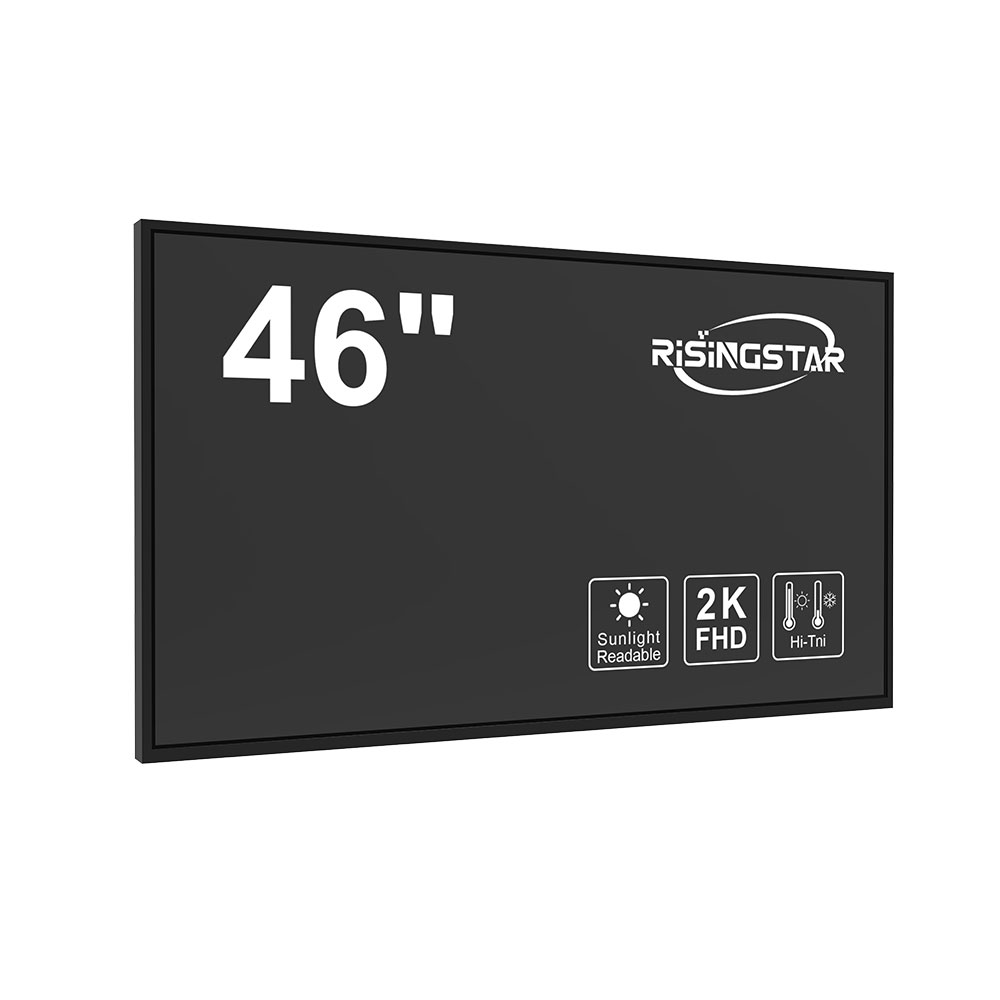
Next, consider brightness and visibility. In outdoor or high-glare settings, a minimum brightness of 1000 cd/m² is recommended, while indoor applications may require only 300–500 cd/m². High-brightness LCDs with anti-reflective coatings and wide viewing angles (e.g., IPS technology) enhance readability across diverse lighting conditions.
Durability is another critical factor. Look for displays with reinforced glass (such as Gorilla Glass or tempered acrylic), IP65 or higher ingress protection ratings, and MIL-STD-810G compliance for shock and vibration resistance. These features are common in displays used in manufacturing control panels, medical equipment, and transportation systems.
Power efficiency and connectivity also matter. Low-power consumption models with LVDS, RGB, or MIPI interfaces are preferred for embedded systems where heat dissipation and energy usage are concerns. Additionally, some industrial LCDs now support touch functionality with glove compatibility—ideal for hazardous or cold environments.
Finally, evaluate vendor support and certifications. Trusted suppliers like Samsung Display, BOE Technology, and AU Optronics provide comprehensive technical documentation, extended warranties, and application-specific design services. Certifications such as CE, FCC, and RoHS ensure compliance with international safety and environmental standards.
By carefully assessing these criteria—temperature resilience, brightness, durability, power efficiency, and certification—you can select an LCD that delivers consistent performance in demanding industrial settings. This ensures not only operational continuity but also reduced maintenance costs over the device’s lifecycle.
上一篇:How to Choose the Right LCD Panel for Your Display Needs
下一篇:High-Performance Outdoor LCD Displays for Transportation and Commercial Applications